HeadPowder, a leading manufacturer based in Shandong, China, specializes in the design, production, and supply of advanced pneumatic conveying equipment for handling materials like hydrogen sulfide. The company's core product, the hydrogen sulfide material pneumatic conveying machine, is engineered to efficiently transport such hazardous materials with precision and safety. This equipment is crucial for industries dealing with sulfur compounds, where reliable and secure material handling is paramount.
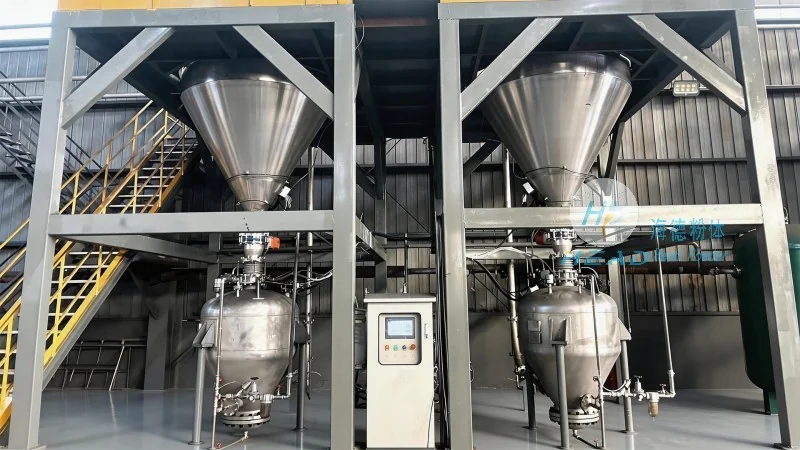
Overview of Hydrogen Sulfide Pneumatic Conveying Systems
The hydrogen sulfide material pneumatic conveying machine from Shandong HeadPowder Engineering Co., Ltd. is a sophisticated system designed to transport hydrogen sulfide and related sulfur-based materials through an air-driven process. Unlike traditional mechanical conveying methods, this pneumatic system offers advantages such as reduced risk of material contamination, lower maintenance requirements, and enhanced safety for handling hazardous substances. The equipment is built to comply with industrial safety standards, ensuring that operations are conducted in a controlled and secure environment.
Key Components and Structure of the Conveying Machine
The pneumatic conveying machine consists of several critical components that work in tandem to achieve efficient material transport. These include a material hopper for storage and feeding, a rotary valve or feeder to control the flow of hydrogen sulfide into the system, a conveying pipeline network, a blower or air compressor to generate the necessary air pressure, and a receiver or discharge hopper for the material's final destination. Each component is carefully designed to handle the specific properties of hydrogen sulfide, such as its corrosive nature and potential for creating hazardous fumes, ensuring durability and reliability in operation.
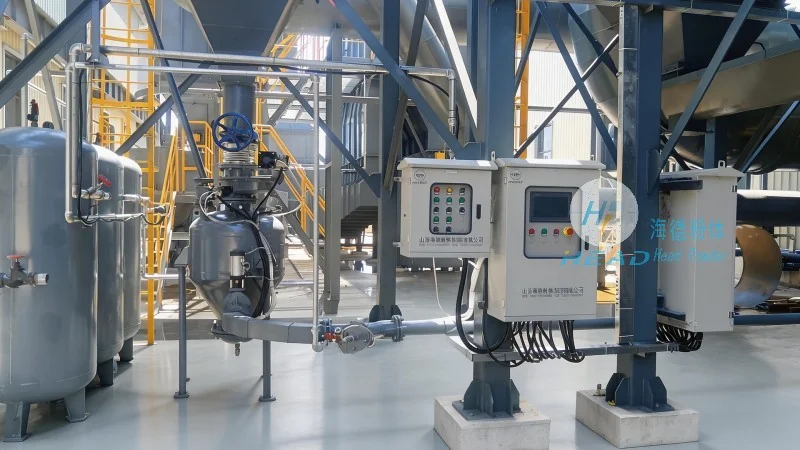
Working Principle of the Pneumatic Conveying Process
The operation of the hydrogen sulfide material pneumatic conveying machine is based on the principle of pneumatic transport, where material particles are suspended and transported by a stream of air. The process begins with the material being fed from the hopper into the conveying line through the rotary valve. Simultaneously, the blower generates a high-pressure air stream that moves through the pipeline. As the air flows, it entrains the hydrogen sulfide particles, creating a slurry-like mixture that travels through the system. The conveying pipeline is typically arranged in a loop or straight line, depending on the layout of the facility, and may include bends, elbows, and expansion joints to accommodate changes in direction and pressure. The receiver at the end of the line collects the conveyed material, while the air is filtered and discharged to the atmosphere, ensuring that the process is clean and safe.
Operation Process: Step-by-Step Execution
The operation of the hydrogen sulfide pneumatic conveying machine follows a systematic process to ensure efficient and safe material transport. First, the system is prepared by checking the air pressure and ensuring all components are properly aligned and secured. The material hopper is filled with the hydrogen sulfide, and the rotary valve is adjusted to control the feed rate. The blower is then activated, and the air flow is monitored to maintain the desired pressure. As the material is fed into the system, it is carried by the air stream through the pipeline to the receiver. The process continues until the material is fully transferred, after which the system is shut down and the air is purged to remove any residual particles. This step-by-step approach ensures that the conveying operation is carried out smoothly and without interruptions, minimizing downtime and maximizing productivity.
Advantages and Benefits of Using the Pneumatic Conveying Machine
Implementing the hydrogen sulfide material pneumatic conveying machine from HeadPowder offers several advantages for industrial applications. One of the primary benefits is the enhanced safety provided by the air-driven system, which reduces the risk of direct contact with the hazardous material and minimizes the potential for spills or leaks. Additionally, the system is more energy-efficient compared to traditional mechanical conveying methods, as it uses less power to transport the material over longer distances. The equipment also offers flexibility in terms of layout, allowing for easy integration into existing facilities and adaptation to different production requirements. Furthermore, the reduced maintenance needs and longer service life of the pneumatic components contribute to lower operational costs and increased reliability over time.
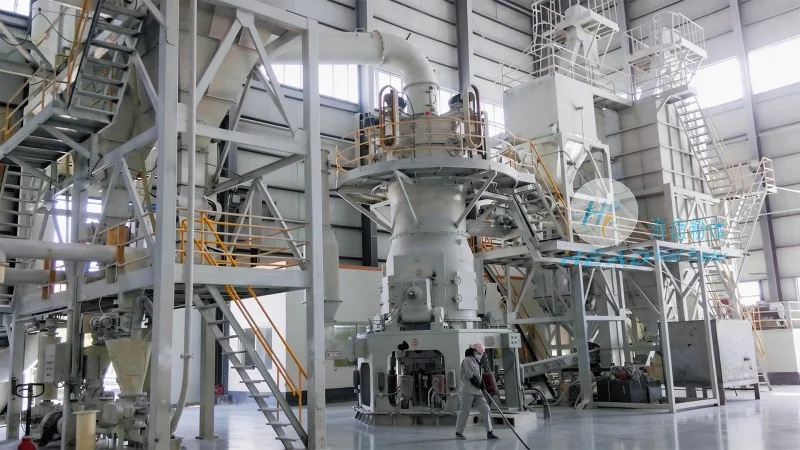
Application and Industry Use Cases
The hydrogen sulfide material pneumatic conveying machine is widely used in industries that handle sulfur compounds, including chemical manufacturing, petrochemical processing, and waste management. In chemical plants, it is used to transport hydrogen sulfide from reactors to storage tanks or processing units, ensuring a continuous and safe supply of the material. In petrochemical facilities, the equipment is employed to convey sulfur-based byproducts from refining processes, facilitating efficient material handling and reducing the risk of environmental contamination. Waste management facilities also utilize this system to transport hydrogen sulfide from treatment processes, ensuring that the material is disposed of or recycled in a controlled manner. The versatility of the pneumatic conveying machine makes it suitable for various applications where reliable and safe material transport is critical.
Quality Assurance and Compliance Standards
Shandong HeadPowder Engineering Co., Ltd. adheres to strict quality assurance protocols to ensure that its hydrogen sulfide material pneumatic conveying machines meet industry standards and customer requirements. The company follows international safety and environmental regulations, such as those related to the handling of hazardous materials, to guarantee that the equipment is compliant with legal and regulatory requirements. Each machine is manufactured using high-quality materials and components, undergoes rigorous testing and inspection before delivery, and is backed by a comprehensive warranty to provide customers with peace of mind. The company also provides technical support and maintenance services to ensure that the equipment operates at optimal performance levels throughout its service life.




