

What is Sawdust and Wood Flour Material Handling? And What Are Its Design Principles?
HeadPowder, a leading engineering company based in Shandong, China, specializes in the design and implementation of efficient material handling systems for sawdust and wood flour. This article delves into the fundamental aspects of sawdust and wood flour material handling, exploring the core design principles that ensure optimal performance and reliability in industrial applications.
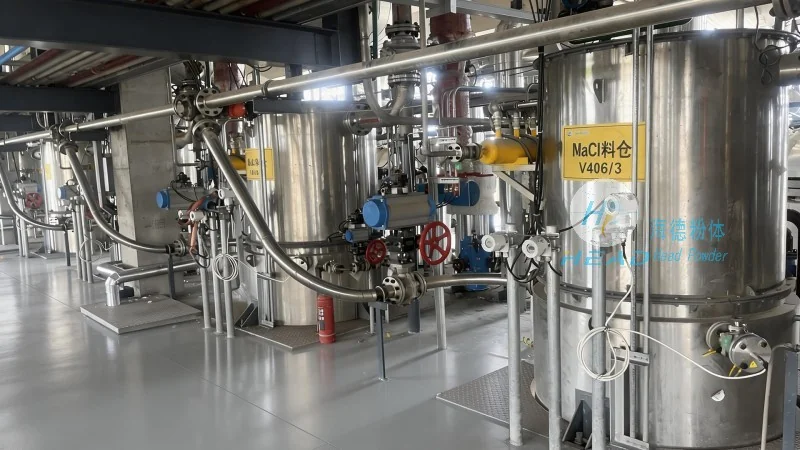
Understanding Sawdust and Wood Flour Material Handling
Sawdust and wood flour material handling refers to the processes and technologies used to transport, store, and manage sawdust and wood flour—fine, dry wood particles commonly produced during woodworking operations. These materials are widely utilized in various industries, including the production of wood-based panels, animal feed, and as a raw material for composite materials. Efficient handling of these materials is crucial for maintaining production efficiency, minimizing waste, and ensuring product quality.
Key Design Principles for Sawdust and Wood Flour Handling Systems
The design of sawdust and wood flour material handling systems is guided by several critical principles to address the unique properties of these materials. First, the system must account for the fine particle size and low bulk density of sawdust and wood flour, which can lead to issues such as caking, bridging, and air entrapment. To mitigate these challenges, engineers often incorporate features like vibration, aeration, and specialized hopper designs to ensure smooth material flow.
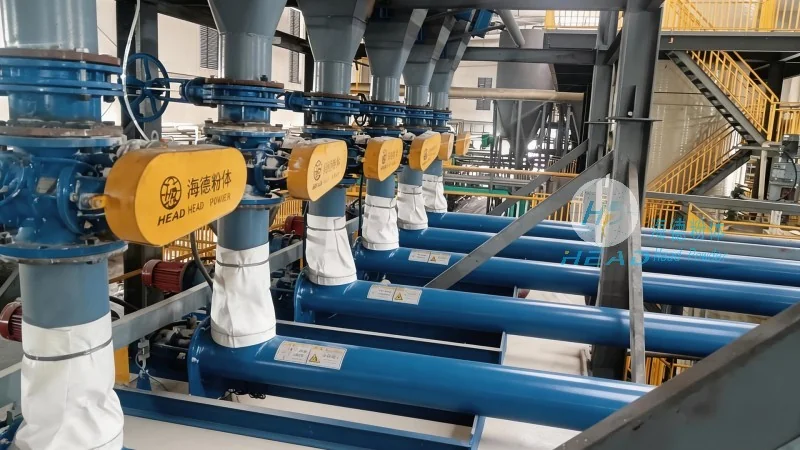
Second, the system must prioritize material containment and dust control. Sawdust and wood flour are light and can easily become airborne, posing health and safety risks as well as operational inefficiencies. Therefore, enclosed conveyor systems, dust collection systems, and sealed storage containers are integral components of the design. These measures not only protect workers but also maintain the integrity of the material by preventing contamination and moisture absorption.
Third, the design must consider the mechanical properties of the materials, such as their abrasiveness and potential for wear on equipment. Sawdust and wood flour can be abrasive, leading to increased wear on conveyor belts, rollers, and other components. To extend the lifespan of the equipment, engineers select materials with high durability, such as stainless steel or specialized rubber, and implement regular maintenance schedules.
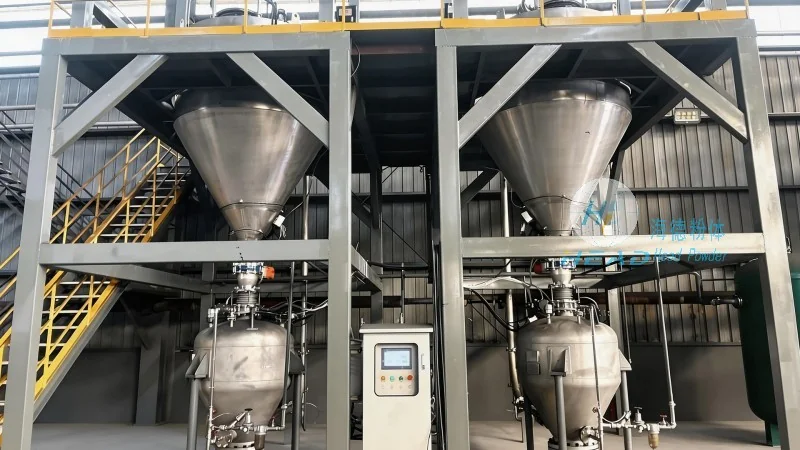
Components of a Typical Sawdust and Wood Flour Handling System
A typical sawdust and wood flour material handling system consists of several interconnected components, each playing a vital role in the overall operation. The primary components include feeders, conveyors, storage silos, and transfer points. Feeders, such as rotary or vibratory feeders, are used to regulate the flow of material from the source to the conveyor system. Conveyors, often in the form of belt or screw conveyors, transport the material horizontally or vertically. Storage silos are used to store large quantities of sawdust and wood flour, ensuring a steady supply for production processes. Transfer points, equipped with airlocks or rotary valves, facilitate the movement of material between different sections of the system while preventing backflow and maintaining material integrity.
Applications and Industries Utilizing Sawdust and Wood Flour Handling
Sawdust and wood flour handling systems are essential in various industries where these materials are a key component. In the wood panel industry, for example, sawdust and wood flour are used as raw materials for particleboard and fiberboard production. The efficient handling of these materials ensures consistent quality in the final products. In the animal feed industry, sawdust and wood flour are processed into feed pellets, requiring precise control over moisture content and particle size. Additionally, in the composite materials industry, these materials are blended with other components to create lightweight, durable products for construction and automotive applications.
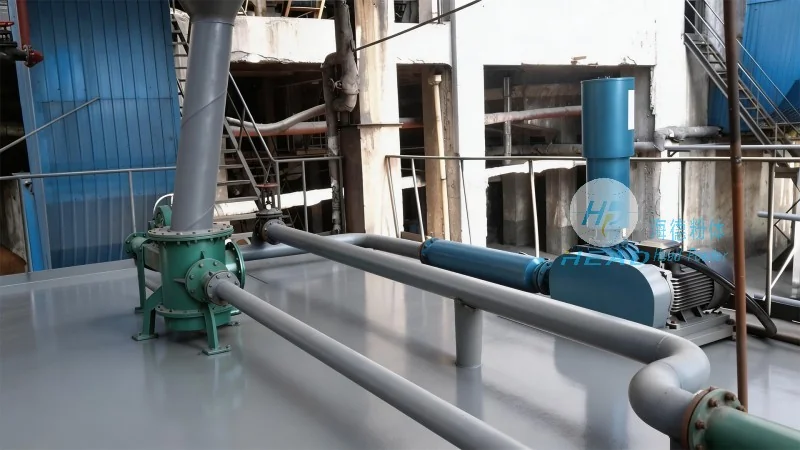
Advantages of Properly Designed Sawdust and Wood Flour Handling Systems
Implementing a well-designed sawdust and wood flour material handling system offers numerous advantages for industrial operations. First, it enhances production efficiency by ensuring a continuous and reliable supply of materials. This reduces downtime and increases output, leading to higher profitability. Second, it minimizes material loss and waste by preventing caking and bridging, which can result in significant financial losses. Third, it improves workplace safety by controlling dust and preventing material spills. Finally, it extends the lifespan of equipment through proper maintenance and wear management, reducing long-term operational costs.
Conclusion
HeadPowder, with its expertise in engineering, provides comprehensive solutions for sawdust and wood flour material handling. By adhering to the core design principles discussed in this article—addressing material properties, ensuring containment, and optimizing flow—the company helps industrial clients achieve efficient, safe, and cost-effective operations. With a focus on innovation and customer needs, HeadPowder continues to deliver high-quality material handling systems that meet the evolving demands of the industry.