Phenolic resin material handling refers to the processes and systems used to transport, store, and manage phenolic resin materials in industrial settings. This involves a range of equipment and methodologies tailored to the unique properties of phenolic resins, which are known for their high thermal stability, chemical resistance, and mechanical strength. Understanding the principles behind effective phenolic resin material handling is crucial for optimizing production efficiency and ensuring product quality.
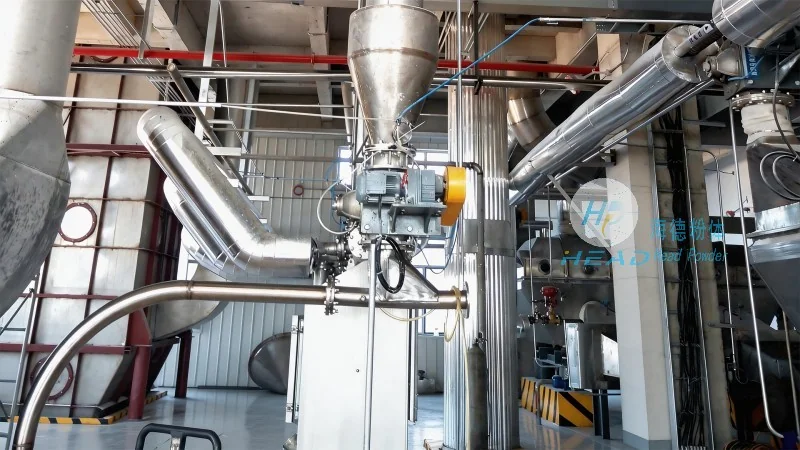
Key Design Principles for Phenolic Resin Material Handling Systems
The design of phenolic resin material handling systems is guided by several critical principles that address the material's characteristics and the operational requirements of the facility. First, the system must account for the resin's density and flow properties. Phenolic resins can vary in consistency from free-flowing powders to semi-solid pastes, and the handling equipment must be selected to accommodate these variations. For instance, pneumatic conveying systems are often used for dry phenolic powders due to their ability to transport materials over long distances with minimal pressure drop. In contrast, bulk handling equipment such as screw conveyors or belt conveyors may be more suitable for semi-solid or granular forms.
Second, the design must consider the thermal and chemical stability of phenolic resins. These materials are sensitive to temperature and moisture, which can affect their curing and performance. Therefore, material handling systems must incorporate temperature control and moisture protection measures. For example, enclosed conveying lines and insulated storage silos are common to prevent exposure to ambient conditions that could degrade the resin. Additionally, the equipment must be constructed from materials that are compatible with phenolic resins, such as stainless steel or specialized plastics, to avoid contamination or corrosion.
Third, the system's integration with downstream processes is a key design consideration. Phenolic resin material handling often feeds into manufacturing steps like molding, extrusion, or coating. The design must ensure smooth transfer between handling and processing stages, minimizing material loss and downtime. This may involve the use of automated feeding systems, such as vibratory feeders or rotary valves, which can regulate the flow rate and consistency of the resin to match the requirements of the subsequent equipment.
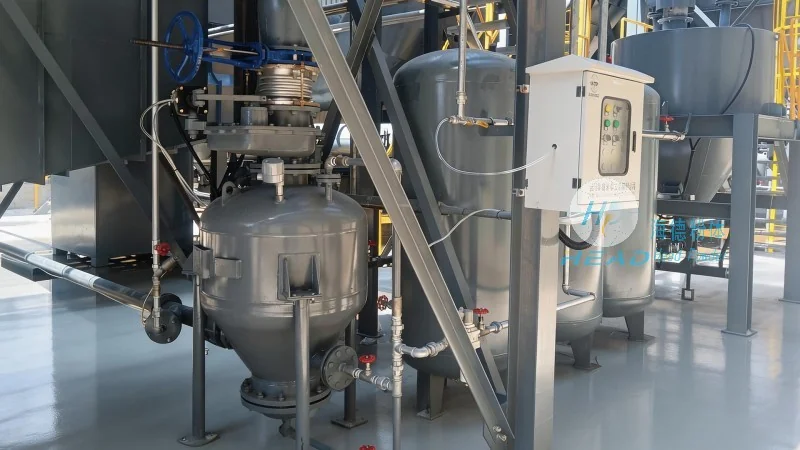
Equipment Used in Phenolic Resin Material Handling
A variety of equipment is employed in phenolic resin material handling, each suited to specific resin forms and operational needs. Pneumatic conveying systems are widely used for dry phenolic powders, utilizing air pressure to move materials through pipelines. These systems can handle fine powders and are effective for long-distance transport, though they require careful control of air flow and pressure to prevent clogging or material degradation. For bulk storage, silos and hoppers are commonly used to store phenolic resins in large quantities, with features like agitators to prevent material bridging or caking.
Screw conveyors and belt conveyors are essential for transporting semi-solid or granular phenolic resins. Screw conveyors use rotating screws to move material along a trough, providing a reliable and low-maintenance method for horizontal or slight incline transport. Belt conveyors, on the other hand, use a continuous belt to transport materials over longer distances or with steeper inclines, making them suitable for applications where horizontal movement is not feasible. Both types of equipment can be equipped with temperature control features to maintain the resin's optimal processing state.
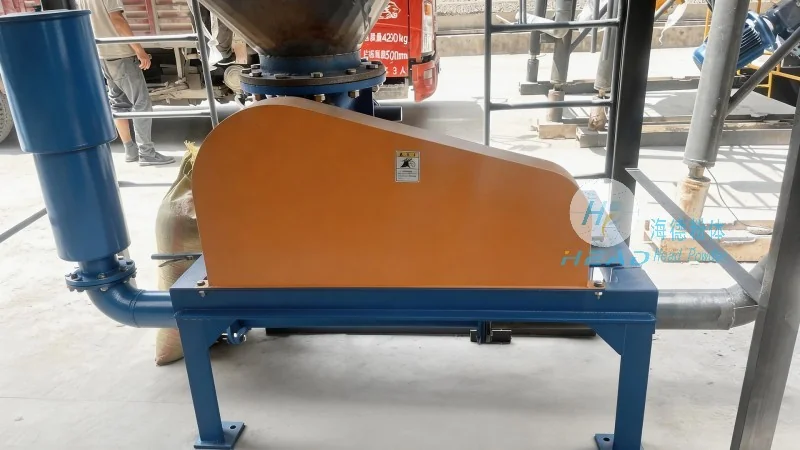
For more specialized applications, such as handling phenolic resins in liquid or paste form, pumping systems are utilized. These systems, often equipped with chemical-resistant pumps, ensure consistent and controlled flow of the resin to processing equipment. Additionally, mixing and blending equipment may be integrated into the material handling system to ensure uniform consistency of the resin before it is transferred to the production line.
Benefits of Proper Phenolic Resin Material Handling
Implementing an effective phenolic resin material handling system offers several benefits that contribute to overall operational efficiency and product quality. First, optimized material handling reduces downtime and increases production throughput. By ensuring smooth and consistent flow of phenolic resins, manufacturers can minimize interruptions caused by material blockages or uneven feeding, leading to higher output rates. Second, proper handling enhances product quality by maintaining the resin's integrity. Exposure to moisture, temperature fluctuations, or improper storage can affect the curing properties of phenolic resins, leading to defects in the final product. A well-designed handling system protects the resin from these factors, ensuring consistent performance and reliability.
Third, efficient material handling reduces operational costs. By minimizing material waste and optimizing equipment usage, companies can lower their overall production expenses. Additionally, the use of automated feeding systems and integrated control technologies can reduce labor costs and improve safety in the workplace. Finally, proper handling systems contribute to environmental compliance by preventing spills and emissions, which is increasingly important in industrial operations.




