

What is Silica Powder Material Handling? Exploring Design Principles
Silica powder, a widely used industrial material, requires specialized handling systems to ensure efficient and safe transportation. Understanding the fundamentals of silica powder material handling and the underlying design principles is crucial for industries relying on this material. This article delves into the core aspects of silica powder material handling, exploring the key design principles that enable effective and reliable operations.
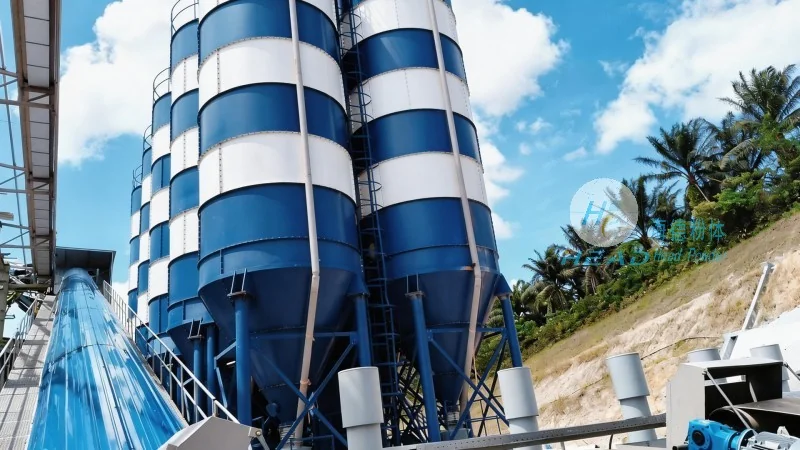
Introduction to Silica Powder Material Handling
Silica powder, also known as silicon dioxide (SiO₂), is a common mineral used in various applications, including construction, electronics, and pharmaceuticals. Due to its fine particle size and potential for dust generation, handling this material demands careful consideration of equipment selection, system design, and operational protocols. Silica powder material handling involves the movement of this powder from storage to processing or end-use, often requiring processes like conveying, storage, and transfer. The goal is to minimize dust exposure, prevent material degradation, and maintain consistent flow rates. Effective handling systems are essential to meet production demands while adhering to safety and environmental regulations.
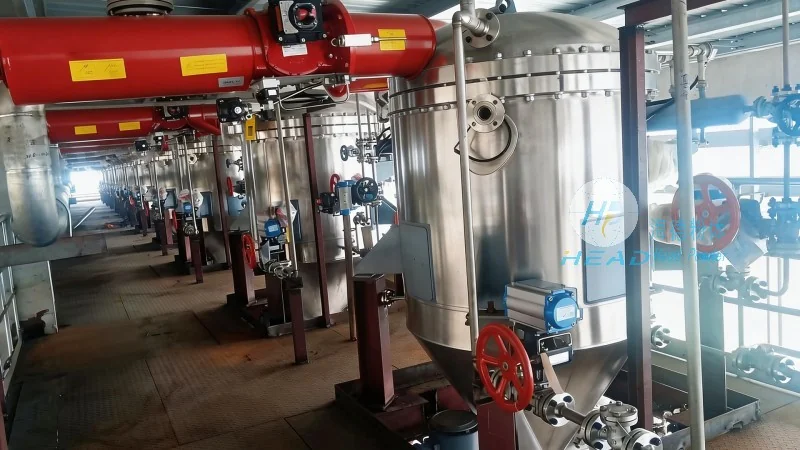
Key Design Principles for Silica Powder Handling Systems
The design of silica powder handling systems is guided by several critical principles aimed at optimizing performance, safety, and longevity. First, the selection of appropriate equipment is paramount. This includes choosing conveyors, hoppers, and storage vessels that are compatible with silica powder's properties, such as its abrasive nature and tendency to create static charge. For instance, pneumatic conveying systems are often preferred for fine powders like silica due to their ability to transport materials without mechanical contact, reducing wear and tear on equipment. Additionally, the system layout must consider the flow path, ensuring minimal bends and obstructions to maintain consistent material flow and prevent blockages. Proper sealing and dust containment are also vital design elements, as silica powder can be hazardous if inhaled and may cause environmental issues if not managed correctly. The integration of control systems, such as variable frequency drives (VFDs) and sensors, further enhances operational efficiency by allowing real-time monitoring and adjustment of flow rates and pressure.
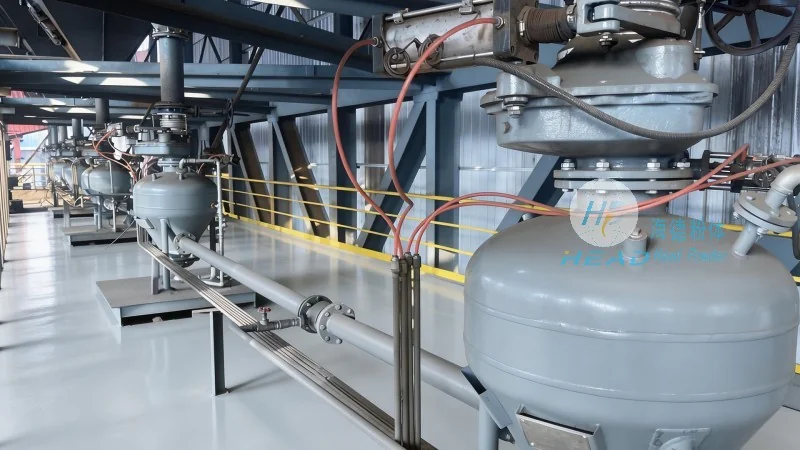
The Role of HeadPowder in Silica Powder Material Handling Solutions
Shandong HeadPowder Engineering Co., Ltd., a leading provider of material handling solutions, specializes in designing and implementing systems tailored to the unique needs of silica powder applications. With a focus on innovation and customer-centric approaches, HeadPowder leverages advanced engineering principles to deliver reliable and efficient handling solutions. The company's expertise lies in understanding the specific challenges of silica powder, such as its fine particle size and potential for static accumulation, and addressing these through customized equipment and system configurations. HeadPowder's solutions often incorporate state-of-the-art technologies, including advanced filtration systems and automated control mechanisms, to ensure optimal performance and safety. The company's operational base is located in Shandong, China, where it maintains a strong presence in the industrial material handling sector. By combining technical knowledge with practical experience, HeadPowder helps industries streamline their silica powder handling processes, improving productivity and reducing operational costs.
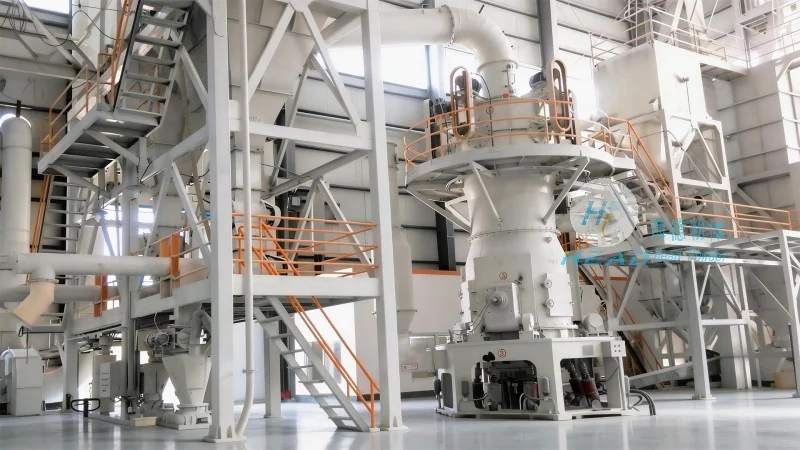
Ensuring Efficiency and Reliability in Silica Powder Handling
Efficiency and reliability are the cornerstones of successful silica powder material handling operations. Achieving these goals requires a comprehensive approach that addresses both equipment performance and operational practices. Regular maintenance of conveying systems, hoppers, and storage vessels is essential to prevent wear and ensure consistent material flow. This includes cleaning and inspecting components to remove accumulated powder and check for signs of wear or damage. Additionally, implementing proper housekeeping practices, such as regular cleaning of work areas and the use of appropriate personal protective equipment (PPE), helps maintain a safe working environment. The integration of monitoring tools, such as pressure sensors and flow meters, allows operators to detect anomalies in real time and take corrective action before issues escalate. By adhering to these principles, industries can enhance the longevity of their handling systems, reduce downtime, and ensure consistent quality in their silica powder products. The combination of robust design principles and diligent operational practices is key to achieving long-term success in silica powder material handling.