PTFE material handling systems represent a critical component in industrial operations, offering reliable solutions for transporting and processing materials. As a leading manufacturer, Shandong HeadPowder Engineering Co., Ltd. specializes in developing and supplying high-performance PTFE-based equipment tailored to diverse industrial needs. This article delves into the fundamental aspects of PTFE material handling, exploring its core design principles and applications.
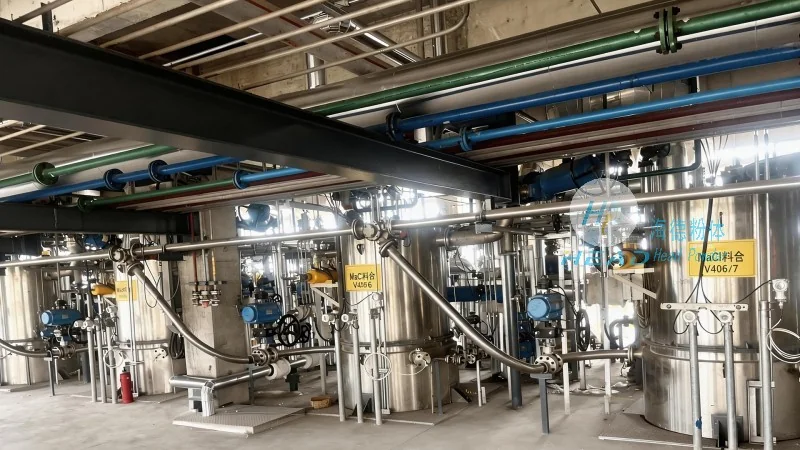
Introduction to PTFE Material Handling
PTFE, or polytetrafluoroethylene, is renowned for its exceptional chemical resistance, non-stick properties, and thermal stability. These characteristics make it an ideal material for constructing components in material handling systems, particularly in environments where corrosion, high temperatures, or aggressive chemicals are present. The primary goal of PTFE material handling is to ensure efficient, safe, and consistent movement of materials from one process stage to another, minimizing downtime and operational risks.
Key Design Principles of PTFE Material Handling Systems
The design of PTFE material handling systems is governed by several critical principles that ensure optimal performance and longevity. First, material compatibility is paramount. PTFE's inert nature prevents it from reacting with most chemicals, making it suitable for handling a wide range of substances, including acids, solvents, and food products. Second, mechanical strength and durability are essential. Even though PTFE is lightweight, it can withstand significant stress and abrasion, which is crucial for components like conveyor belts, pipes, and valves. Third, thermal resistance is a key factor. PTFE can operate effectively in temperatures ranging from -200°C to +260°C, allowing it to function in both cryogenic and high-temperature applications. Finally, flow efficiency is optimized through smooth surfaces and reduced friction, ensuring that materials move with minimal resistance and energy consumption.
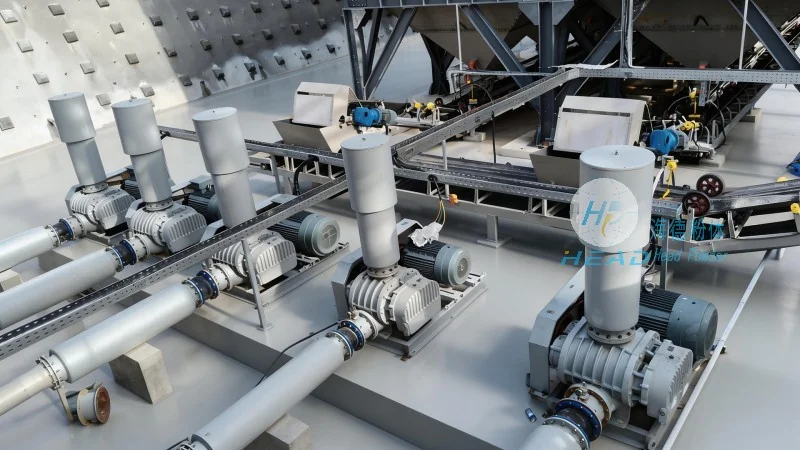
Components and Applications in PTFE Material Handling
PTFE material handling systems typically consist of several key components, each designed to address specific operational requirements. Conveyors, for instance, are commonly used to transport bulk materials over short or long distances. PTFE conveyor belts are preferred for their non-stick surface, which prevents material buildup and facilitates easy cleaning. PTFE pipes and hoses are employed for fluid transfer, offering excellent resistance to corrosion and pressure. Valves and fittings, made from PTFE, ensure leak-free operation and compatibility with aggressive media. In industrial settings, these components are applied in sectors such as chemical processing, pharmaceutical manufacturing, food processing, and semiconductor production, where precision and reliability are non-negotiable.
Advantages of PTFE Material Handling Solutions
Adopting PTFE material handling solutions brings numerous benefits to industrial operations. The primary advantage is enhanced safety, as PTFE's non-reactive nature eliminates the risk of chemical contamination or reactions. This is particularly critical in industries dealing with hazardous substances. Secondly, PTFE components require minimal maintenance due to their resistance to wear and corrosion, reducing operational costs and downtime. Thirdly, the non-stick properties of PTFE prevent material adhesion, ensuring that products remain intact and free from contamination. This is advantageous in food processing and pharmaceutical applications where product purity is paramount. Additionally, PTFE's thermal stability allows for operation in extreme temperature conditions, expanding the range of applications where traditional materials may fail.
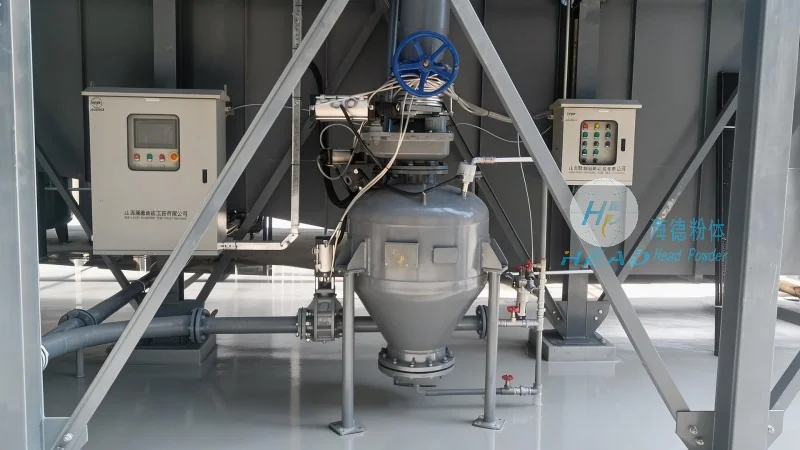
Customization and Integration with Industrial Processes
Shandong HeadPowder Engineering Co., Ltd. recognizes that each industrial process has unique requirements. Therefore, they offer customized PTFE material handling solutions tailored to specific needs. This includes designing conveyor systems with adjustable speeds and capacities, manufacturing PTFE pipes with varying diameters and lengths, and creating specialized valves for precise flow control. The company's expertise lies in integrating these components seamlessly into existing industrial setups, ensuring that the new systems complement rather than disrupt current operations. By collaborating closely with clients, HeadPowder engineers can develop solutions that address specific challenges, such as handling abrasive materials or operating in harsh environments.
Conclusion: The Role of PTFE Material Handling in Modern Industries
PTFE material handling systems play a vital role in modern industrial operations, providing reliable, efficient, and safe solutions for material transport. The design principles behind these systems—focusing on material compatibility, mechanical strength, thermal resistance, and flow efficiency—ensure that they meet the demands of diverse applications. As a leading manufacturer, Shandong HeadPowder Engineering Co., Ltd. continues to innovate and provide high-quality PTFE-based equipment, contributing to the optimization of industrial processes worldwide. By leveraging the unique properties of PTFE, industries can enhance productivity, reduce costs, and maintain compliance with safety and quality standards.




