Understanding the handling of lithium cobalt oxide powder is crucial for industries involved in battery manufacturing and material processing. This article delves into the fundamental aspects of lithium cobalt oxide powder handling, exploring the core design principles that ensure efficient and safe material management.
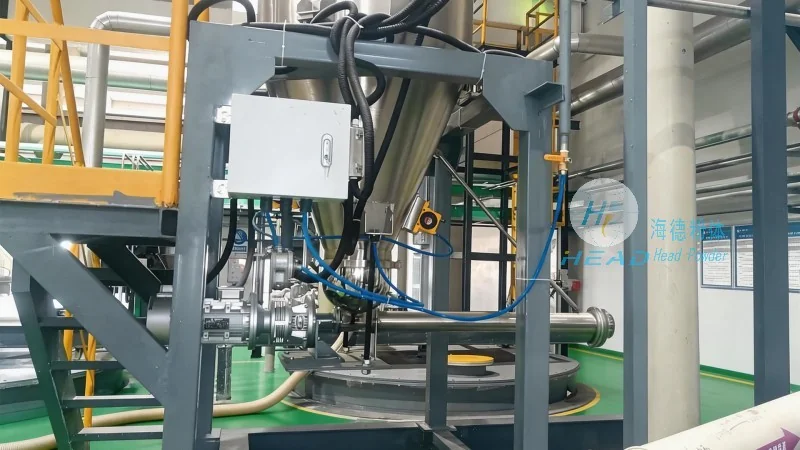
Introduction to Lithium Cobalt Oxide Powder Handling
Lithium cobalt oxide (LiCoO₂) is a critical component in lithium-ion batteries, widely used in electronics, electric vehicles, and renewable energy storage systems. The efficient handling of this fine powder is essential to maintain product quality, minimize contamination, and optimize production processes. HeadPowder, a leading provider in the field, specializes in advanced solutions tailored to the unique challenges of LiCoO₂ powder handling.
About HeadPowder Engineering Co., Ltd.
HeadPowder, formally known as Shandong HeadPowder Engineering Co., Ltd., is a professional enterprise based in Shandong, China. With a strong commitment to innovation and quality, the company focuses on developing and manufacturing high-performance equipment for powder handling, particularly in the battery material sector. HeadPowder's expertise lies in addressing the specific demands of handling sensitive materials like lithium cobalt oxide, ensuring reliable and efficient operations for clients worldwide.
What is Lithium Cobalt Oxide Powder Handling?
Lithium cobalt oxide powder handling refers to the processes and technologies used to transport, store, and manage LiCoO₂ powder from raw material to final product. This involves a series of steps, including material feeding, conveying, storage, and discharge, all of which must be executed with precision to prevent agglomeration, oxidation, or contamination. The handling of such fine powders requires specialized equipment designed to maintain material integrity and operational safety.
Key Design Principles for Efficient Powder Handling
The design of an effective lithium cobalt oxide powder handling system is governed by several key principles that ensure optimal performance and reliability. These principles include:
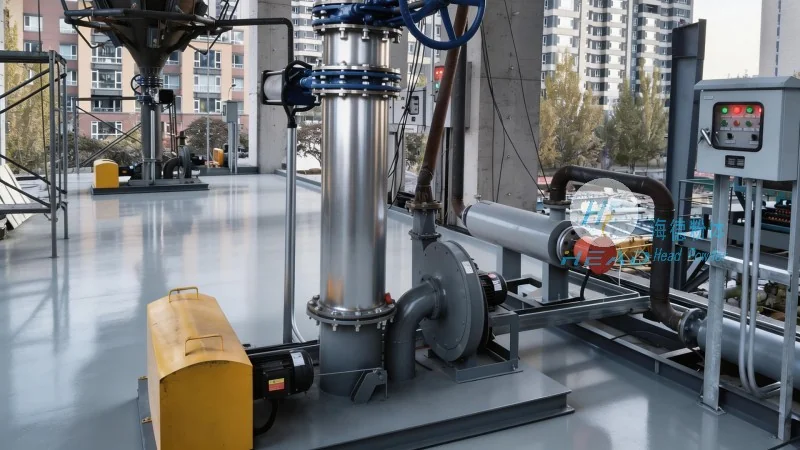
1. Material Compatibility and Equipment Selection The equipment used for LiCoO₂ powder handling must be compatible with the material's chemical and physical properties. Materials like stainless steel or special alloys are often chosen to prevent corrosion and contamination. Additionally, the design should minimize particle attrition and avoid material buildup, which can lead to quality issues or equipment failure.
2. Controlled Flow and Conveying Methods To maintain the integrity of LiCoO₂ powder, the conveying system must provide gentle and uniform flow. Methods such as pneumatic conveying, screw conveyors, or rotary valves are commonly used. Pneumatic conveying, for instance, uses air to transport the powder, reducing the risk of particle degradation while ensuring precise control over the material's movement.
3. Dust Control and Environmental Safety Lithium cobalt oxide powder is a fine, potentially hazardous material. Effective dust control measures are essential to prevent inhalation risks and environmental contamination. The design incorporates features like sealed systems, filtration, and local exhaust ventilation to ensure a safe working environment. This is particularly important in industrial settings where powder handling occurs at scale.
4. Process Automation and Monitoring Modern powder handling systems are increasingly automated to enhance efficiency and reduce human error. Sensors and control systems monitor parameters such as flow rate, pressure, and temperature, allowing for real-time adjustments. This automation not only improves operational consistency but also enables predictive maintenance, minimizing downtime and extending equipment lifespan.
Applications and Benefits of Advanced Powder Handling Solutions
The efficient handling of lithium cobalt oxide powder directly impacts the performance and quality of lithium-ion batteries. By adhering to the design principles outlined above, companies can achieve several benefits:
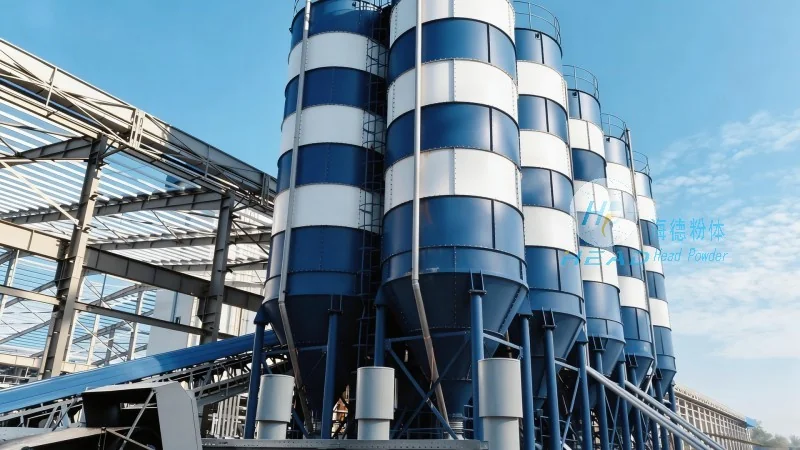
1. Improved Product Quality Gentle handling and controlled conditions prevent particle degradation, ensuring the consistent quality of LiCoO₂ used in battery production. This leads to more reliable and longer-lasting batteries.
2. Enhanced Operational Efficiency Optimized conveying systems reduce material loss and improve throughput, lowering production costs and increasing overall productivity.
3. Enhanced Safety and Compliance Advanced dust control and safety features ensure compliance with industrial regulations, protecting both personnel and the environment.
Conclusion
Lithium cobalt oxide powder handling is a complex but essential process in the battery industry. By understanding and implementing the core design principles, companies can achieve efficient, safe, and high-quality material management. HeadPowder Engineering Co., Ltd., with its expertise and innovative solutions, plays a vital role in supporting the battery manufacturing sector by providing reliable powder handling equipment tailored to the unique needs of lithium cobalt oxide processing.




