Understanding the mechanisms and design principles behind pearl salt granular material handling is crucial for industries that rely on efficient and reliable bulk material transport. This article delves into the fundamental aspects of this process, exploring how specialized equipment and engineering solutions enable the smooth movement of pearl salt and similar granular materials. By examining the core components and operational logic, we can appreciate the importance of tailored solutions in optimizing material handling workflows.
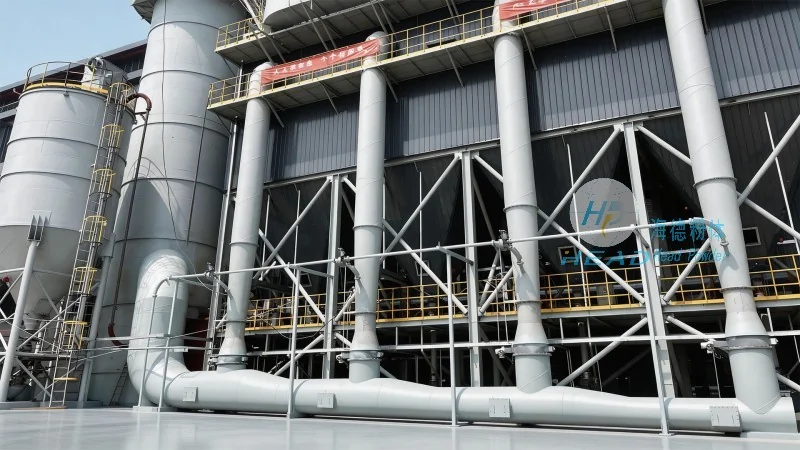
Pearl Salt Granular Material Handling: An Overview
Pearl salt granular material handling refers to the systematic process of transporting, storing, and managing pearl salt in its granular form. This involves using mechanical and engineering systems to move the material from one location to another, often within industrial or processing facilities. The primary goal is to ensure efficient, safe, and cost-effective movement of the material, which is critical for maintaining production efficiency and operational continuity. Pearl salt, a type of de-icing salt commonly used in winter road maintenance and other applications, requires specialized handling due to its granular nature and potential for dust generation or clumping. Effective material handling systems address these challenges by employing robust designs and advanced technologies.
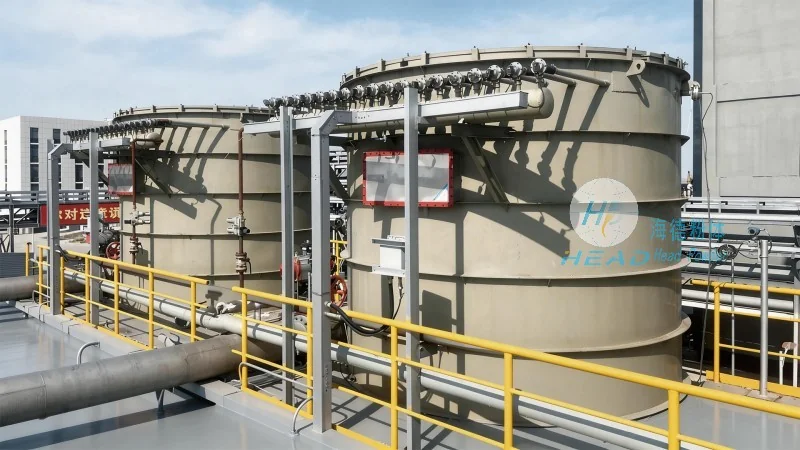
The Design Principles of Pearl Salt Granular Material Handling Systems
The design of pearl salt granular material handling systems is guided by several key principles aimed at optimizing performance, safety, and durability. These principles include ensuring proper flow characteristics of the material, minimizing material degradation or loss during transport, and maintaining operational efficiency under varying conditions. Engineers and designers focus on creating systems that can handle the specific properties of pearl salt, such as its particle size distribution, moisture content, and tendency to adhere to surfaces. By considering these factors, the design process results in equipment that is both effective and reliable. The systems typically incorporate components like hoppers, conveyors, and storage silos, each carefully engineered to work in harmony with the material's characteristics. For instance, the hopper design may include sloped sides to prevent material bridging or caking, while the conveyor system uses appropriate belt materials to avoid abrasion from the granular salt.
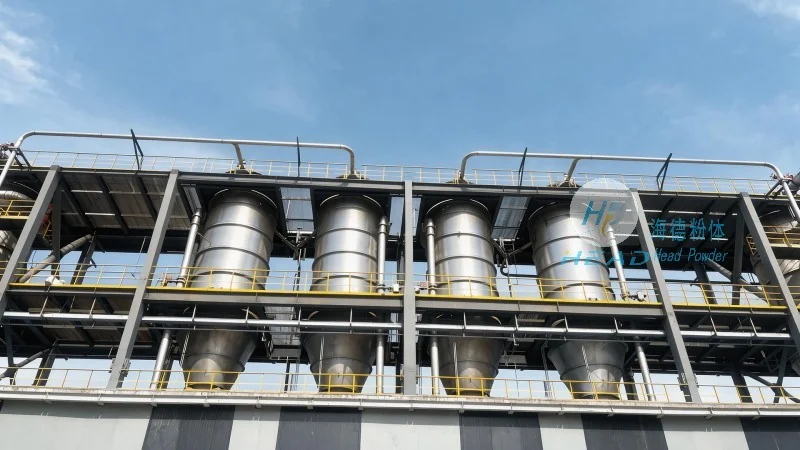
Key Components and Their Roles in Pearl Salt Material Handling
Several critical components make up a comprehensive pearl salt granular material handling system. Each component plays a vital role in ensuring the smooth operation of the entire process. The primary components include material feeders, which control the flow rate of the pearl salt into the system; conveyor belts or screw conveyors, which transport the material through the system; storage silos or bins, which hold the material before or after processing; and discharge mechanisms, which release the material as needed. Material feeders are often equipped with adjustable speed controls to regulate the flow, preventing overloading or underloading of downstream equipment. Conveyor systems may use belt materials resistant to abrasion and corrosion, as the granular salt can wear down or damage standard materials over time. Storage silos are designed with proper ventilation and moisture control to maintain the quality of the pearl salt, as excessive moisture can lead to clumping and reduced effectiveness. Discharge mechanisms, such as rotary valves or gate valves, ensure controlled release of the material, preventing spills and maintaining a consistent flow rate.
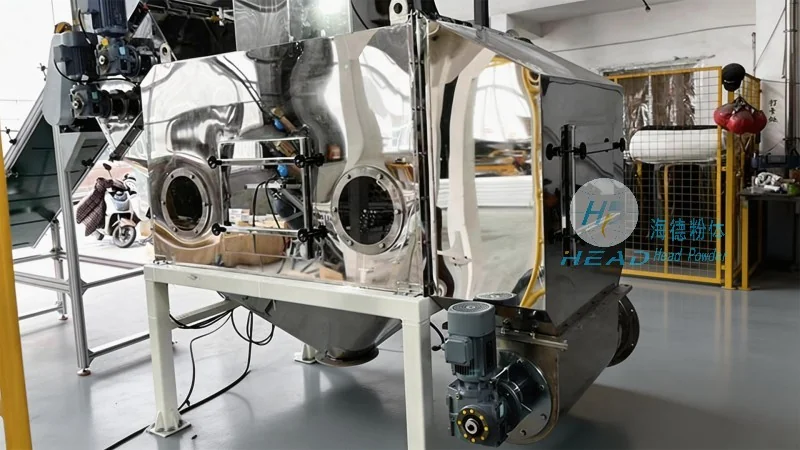
Engineering Solutions by Shandong HeadPowder Engineering Co., Ltd.
Shandong HeadPowder Engineering Co., Ltd., commonly known as headpowder, specializes in providing customized engineering solutions for material handling systems, including those for pearl salt granular applications. With a focus on innovation and customer-centric design, the company has developed a range of products tailored to the unique needs of industries dealing with bulk materials. The company's expertise lies in understanding the specific challenges of handling pearl salt, such as its granular size, moisture sensitivity, and potential for dust generation. By leveraging advanced engineering techniques and materials science, headpowder designs systems that are both efficient and durable. The company's solutions often include modular components that can be easily integrated into existing facilities or used as standalone systems. This flexibility allows clients to adapt the systems to their specific operational requirements, ensuring optimal performance and cost-effectiveness. Headpowder's commitment to quality and customer satisfaction is reflected in the robustness and reliability of their material handling equipment, which is built to withstand the demands of continuous operation in industrial environments.




