

What is Carbon Black and Coal Powder Material Handling? What Are the Design Principles?
Carbon black and coal powder are essential raw materials in numerous industrial sectors, including rubber manufacturing, plastic production, and pigment applications. The efficient handling of these powders is critical for maintaining production efficiency, ensuring product quality, and adhering to safety regulations. This article provides an overview of carbon black and coal powder material handling, focusing on the key design principles that underpin effective and reliable systems.
Understanding the Unique Properties of Carbon Black and Coal Powder
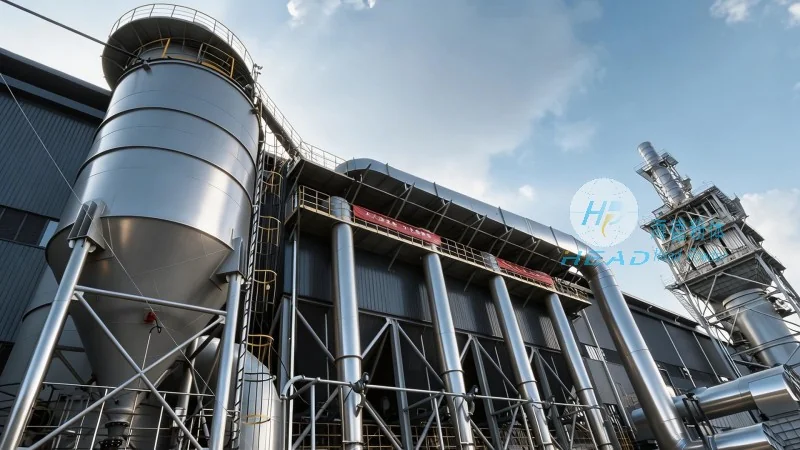
Before discussing material handling systems, it's crucial to understand the inherent properties of carbon black and coal powder. Carbon black is a fine, black powder produced through the incomplete combustion of heavy petroleum products, while coal powder is a ground form of coal used primarily in power generation and industrial processes. Both materials share characteristics like fine particle size, which can lead to challenges such as dust generation, caking, and flow irregularities. These properties necessitate specialized equipment and design strategies to prevent material degradation, ensure safe operation, and maintain consistent performance.
Core Design Principles for Material Handling Systems
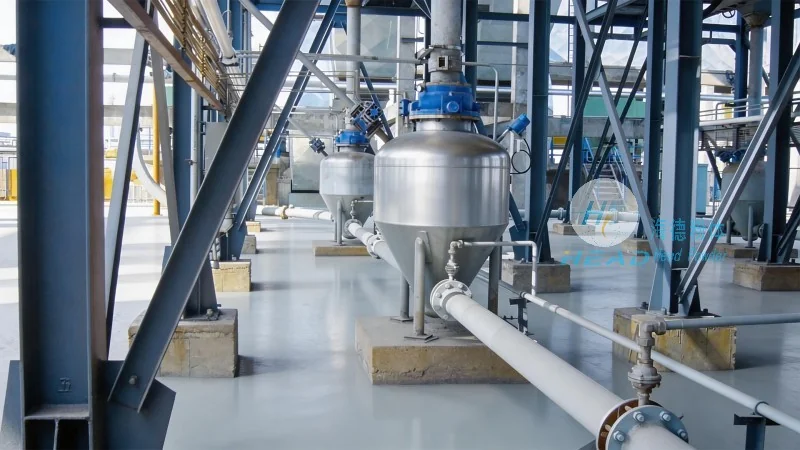
The design of carbon black and coal powder handling systems must prioritize several fundamental principles to address the unique challenges posed by these materials. First, dust control is a top priority due to the fine particle size, which can create respiratory hazards and contaminate equipment. Effective dust suppression measures, including enclosed conveyors, air filtration units, and proper ventilation, are essential to maintain a safe working environment and prevent material loss. Second, material flow management is critical to prevent caking and blockages. This involves selecting appropriate conveyor types, such as pneumatic or screw conveyors, and incorporating flow aids like vibrators or air knives to ensure consistent movement. Third, equipment durability is vital because carbon black and coal powder can be abrasive and corrosive to metal surfaces. High-quality materials, such as stainless steel or specialized coatings, are used to extend component lifespan and reduce maintenance costs. Fourth, safety considerations, including explosion-proof designs and proper ventilation, are mandatory to comply with industrial safety standards and protect personnel from potential hazards.
Common Equipment Used in Carbon Black and Coal Powder Handling
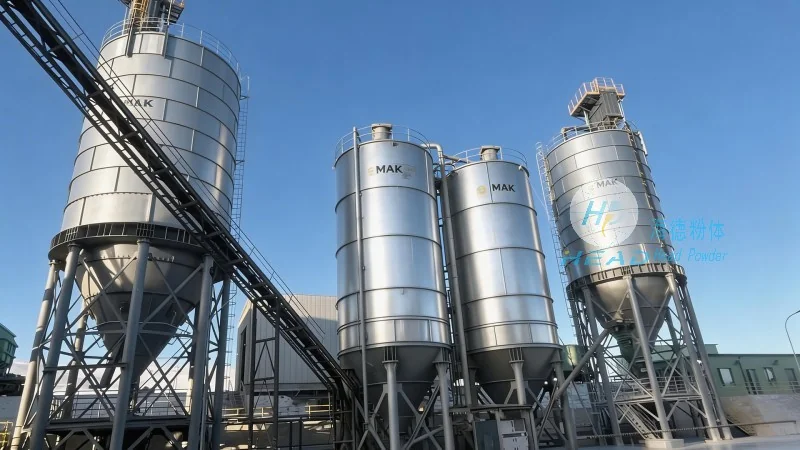
Several types of equipment are commonly employed in carbon black and coal powder handling systems. Pneumatic conveyors, which use air pressure to transport powders, are widely used for long-distance or high-temperature applications, offering flexibility and minimal material degradation. Screw conveyors, which rely on rotating screws to move material, are suitable for horizontal or slight incline transport and are often integrated into storage silos and processing lines. Belt conveyors, while less common for fine powders due to dust issues, are used in some bulk material transport scenarios. Additionally, storage silos and hoppers are critical components that store the powders and regulate their release into the handling system. These components are designed with smooth surfaces and proper discharge mechanisms to prevent material buildup and ensure consistent flow, reducing the risk of blockages and equipment damage.
Shandong HeadPowder Engineering Co., Ltd.: Expertise in Material Handling Solutions
Shandong HeadPowder Engineering Co., Ltd., commonly referred to as HeadPowder, is a leading provider of specialized material handling solutions for carbon black and coal powder. With decades of experience in the industry, HeadPowder designs and manufactures systems tailored to the unique needs of their clients. The company's expertise lies in integrating the key design principles discussed above into practical, efficient solutions. For instance, HeadPowder offers customized pneumatic conveying systems that incorporate advanced dust control and flow management features, ensuring safe and reliable operation. The company also provides maintenance and support services to help clients optimize their material handling processes and minimize downtime. HeadPowder's commitment to quality, safety, and customer satisfaction has established it as a trusted partner for many industrial facilities worldwide, helping them enhance production efficiency and maintain product quality.
Conclusion: The Importance of Effective Material Handling
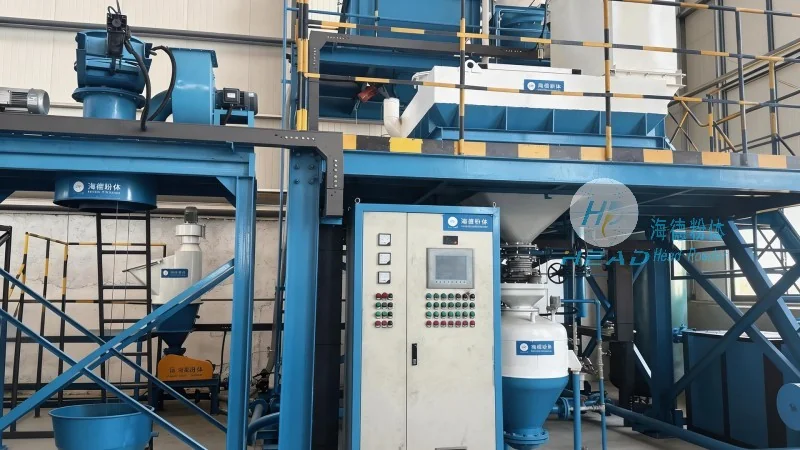
Efficient handling of carbon black and coal powder is a complex process that requires careful consideration of material properties, design principles, and equipment selection. By adhering to the principles of dust control, flow management, durability, and safety, industrial facilities can ensure the reliable and safe transport of these critical raw materials. Companies like Shandong HeadPowder Engineering Co., Ltd. play a vital role in providing tailored solutions that meet the specific needs of their clients, helping to enhance operational efficiency and maintain product quality. As the demand for carbon black and coal powder continues to grow, the importance of effective material handling will only increase, making it essential for industries to invest in robust and well-designed systems that prioritize both performance and safety.