For industries dealing with cement and other bulk materials, efficient and reliable conveying systems are crucial for operational success. Cement bulk material conveying refers to the process of transporting cement and similar granular materials from one location to another within a production or construction site. This system is integral to ensuring smooth material flow, reducing downtime, and maintaining product quality throughout the handling process. The design principles behind these systems are complex and require careful consideration of various factors to achieve optimal performance.
Key Components of Cement Bulk Material Conveying Systems
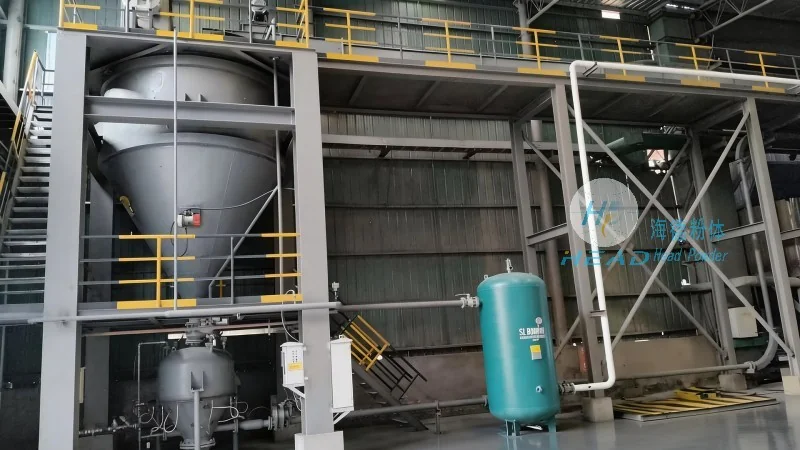
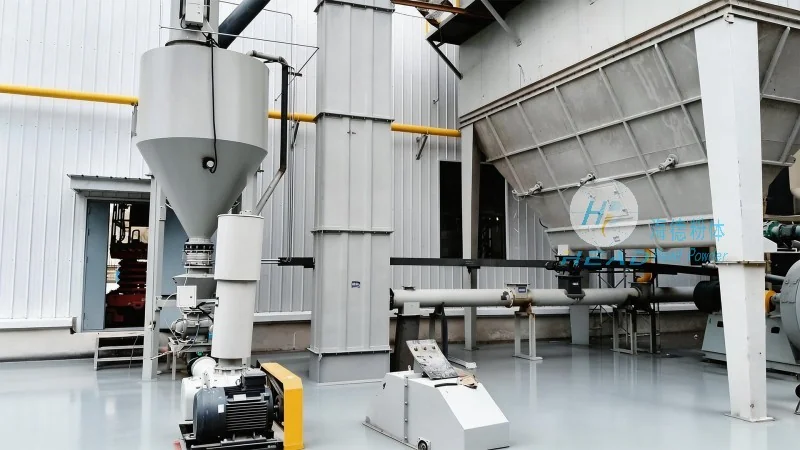
The core components of a cement bulk material conveying system typically include feeders, conveyors (such as belt conveyors, screw conveyors, or pneumatic conveyors), storage silos, and control systems. Each component plays a vital role in the overall functionality of the system. Feeders are responsible for regulating the flow of material from the source, ensuring a consistent and controlled feed rate. Conveyors then transport the material to the desired destination, whether it's a storage silo, a mixing plant, or a loading area. Storage silos are used to hold large quantities of cement, providing a buffer between production and usage. Control systems monitor and adjust the operation of the feeders and conveyors, ensuring the system operates efficiently and safely.
Design Principles for Efficient Cement Conveying
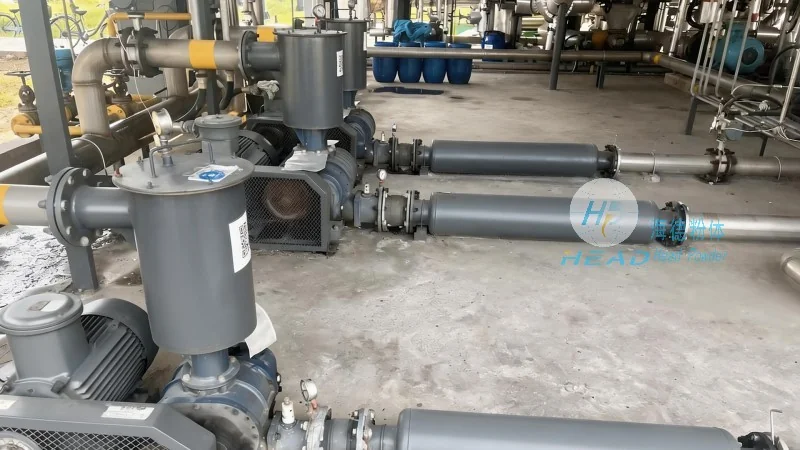
Designing an effective cement bulk material conveying system involves several key principles. First, material properties must be thoroughly understood. Cement is a fine, cohesive powder that can be prone to bridging, segregation, and blockages. Therefore, the design must account for these characteristics, incorporating features like agitators or vibrators to prevent material buildup. Second, the system must be designed for durability and reliability. Since cement is often handled in high volumes and under demanding conditions, components must be constructed from materials resistant to corrosion and wear, such as stainless steel or specialized alloys. Third, energy efficiency is a critical consideration. The system should minimize energy consumption while maintaining high throughput, which can be achieved through the selection of appropriate conveyor types and drive systems. Fourth, safety is paramount. Cement handling systems must comply with safety regulations, including proper ventilation to prevent dust accumulation and the use of protective equipment for operators.
HeadPowder's Expertise in Cement Bulk Material Conveying Solutions
Shandong HeadPowder Engineering Co., Ltd. specializes in providing comprehensive solutions for cement bulk material conveying. With years of experience in the industry, HeadPowder understands the unique challenges associated with handling cement and other bulk materials. The company's team of engineers and technicians work closely with clients to design customized conveying systems that meet their specific needs. Whether it's a new installation or an upgrade to an existing system, HeadPowder offers tailored solutions that incorporate the latest technology and design principles. The company's commitment to quality and customer satisfaction has made it a trusted partner for many industries, including cement manufacturing, construction, and mining.
Conclusion: The Importance of Proper Design in Cement Conveying
In conclusion, cement bulk material conveying is a critical process in many industries, and the design of the system is paramount to its success. By understanding the key components and design principles, companies can ensure that their conveying systems operate efficiently, reliably, and safely. With the expertise of companies like Shandong HeadPowder Engineering Co., Ltd., businesses can achieve optimal performance and maintain a competitive edge in their respective markets. The proper design and implementation of cement bulk material conveying systems not only improve operational efficiency but also contribute to the overall success and sustainability of the business.




