When it comes to the efficient handling and transportation of fermentation malt in industrial settings, selecting the right conveying method is crucial for maintaining product quality, ensuring operational reliability, and optimizing production processes. Fermentation malt, a key ingredient in various alcoholic beverages and food products, requires specialized equipment to move from storage to processing areas without degradation or contamination. This article explores common conveying methods used in the industry, with a particular focus on pneumatic conveying systems, and highlights the expertise of Shandong HeadPowder Engineering Co., Ltd. (commonly known as HeadPowder) in providing tailored solutions for malt handling challenges.
Understanding Fermentation Malt and Conveying Requirements
Fermentation malt, also known as brewer's malt or mashing malt, is produced by malting barley and other grains, which are then dried and ground into a fine powder or coarse granules. This ingredient is essential for enzymatic conversion during the brewing process, contributing to the flavor, color, and body of the final product. The physical properties of fermentation malt, such as its moisture content, particle size, and bulk density, significantly influence the choice of conveying method. For instance, malt with high moisture content may require moisture control measures during transport, while coarse granules might need equipment capable of handling larger particles without clogging. Additionally, the need for hygienic and sanitary conditions in food and beverage production facilities dictates that conveying systems must meet strict standards for cleanliness and ease of maintenance.
Common Conveying Methods for Fermentation Malt
Several conventional methods are employed for moving fermentation malt within industrial facilities. These include gravity-based systems, mechanical conveyors, and pneumatic (air-assisted) systems. Each method has its advantages and limitations, making the selection process dependent on factors like the volume of malt to be transported, the distance between storage and processing areas, and the specific requirements of the production line.
Gravity Conveying Systems
Gravity conveying relies on the natural force of gravity to move malt from higher to lower elevations. This method typically involves inclined chutes or troughs that allow the malt to flow downward without the need for external power. While simple and cost-effective for short distances and low volumes, gravity systems are limited by the need for a sufficient vertical drop and may not be suitable for horizontal transport or when the malt needs to be elevated. They are often used in combination with other conveying methods to handle the initial stages of material movement.
Mechanical Conveying Systems
Mechanical conveyors, such as belt conveyors, screw conveyors, and bucket elevators, use mechanical components to transport malt. Belt conveyors are widely used for horizontal and slight incline transport, providing a continuous and reliable flow of material. Screw conveyors, also known as augers, are effective for vertical or inclined transport and can handle a wide range of particle sizes. Bucket elevators are ideal for vertical lifting over long distances, with buckets rotating along a vertical shaft to carry malt upward. Mechanical systems are generally robust and easy to maintain, but they may suffer from issues like material buildup, clogging, or wear and tear, especially when handling fine or sticky malt particles.
Pneumatic Conveying Systems: The Preferred Solution for Many Applications
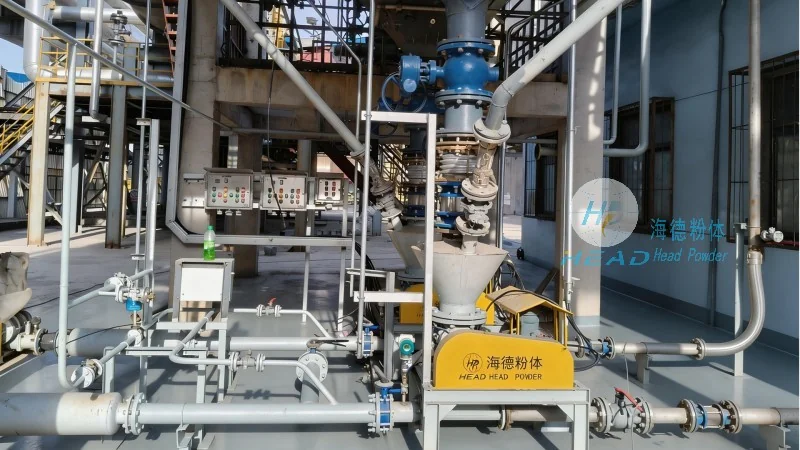
Pneumatic conveying, or air-assisted transport, is a versatile and efficient method for moving fermentation malt, particularly in applications requiring high capacity, long distances, or the need to keep the material contained within a closed system. This technology uses compressed air to create a flow of air and malt particles, transporting the material through a network of pipes and ducts. Pneumatic systems can be categorized into two main types: dilute-phase and dense-phase, each offering distinct advantages depending on the application.
Dilute-Phase Pneumatic Conveying
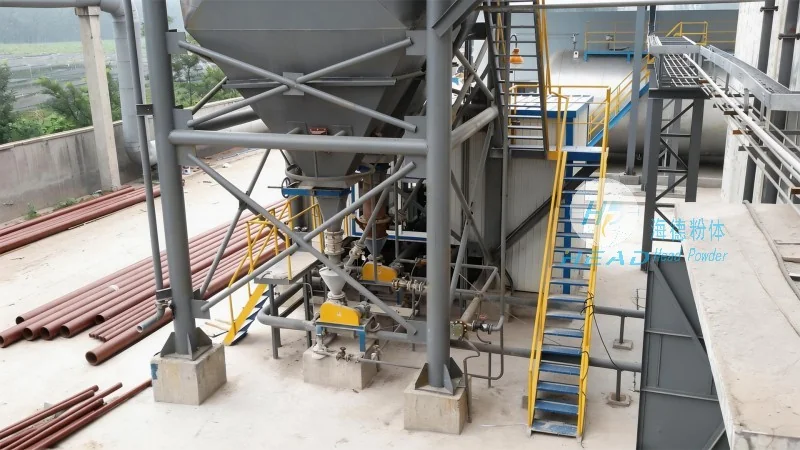
Dilute-phase systems operate by injecting air at a high velocity into the conveying line, creating a suspension of malt particles in the air. The air velocity is typically high enough to keep the particles airborne, allowing for rapid and efficient transport over long distances. This method is suitable for applications where the malt is relatively dry and free-flowing, as it minimizes the risk of clogging and provides a consistent flow rate. However, dilute-phase systems may require larger air volumes and higher pressure, which can increase energy consumption and system complexity.
Dense-Phase Pneumatic Conveying
Dense-phase systems, also known as low-pressure or positive displacement systems, transport malt at a lower air velocity, resulting in a higher concentration of particles in the air stream. This method is ideal for handling fine or sticky malt particles, as it reduces the risk of clogging and provides better control over the material flow. Dense-phase systems are often used for short to medium distances and when the malt needs to be delivered to a specific point with minimal dispersion. They are particularly effective when the material is sensitive to high air velocities or when precise control over the delivery rate is required.
Key Advantages of Pneumatic Conveying for Fermentation Malt
Compared to other conveying methods, pneumatic systems offer several advantages that make them a preferred choice for many fermentation malt applications. These include:
1. Hygienic and Sanitary Operation
Pneumatic conveying systems are enclosed, preventing contamination from external sources and minimizing the risk of product cross-contamination. The closed pipe network ensures that the malt remains within the system, reducing exposure to dust, moisture, or other environmental factors. This is particularly important in food and beverage production, where strict hygiene standards must be maintained.
2. Versatility and Flexibility
Pneumatic systems can handle a wide range of malt types and particle sizes, from fine powders to coarse granules. They can also transport malt over long distances and through multiple processing stages, with the ability to change direction or divert material as needed. This flexibility allows for integration into complex production lines without the need for extensive modifications.
3. Reduced Product Degradation
By maintaining the malt in a closed system and minimizing contact with external surfaces, pneumatic conveying reduces the risk of mechanical damage or moisture loss. This helps preserve the quality and flavor of the malt, ensuring consistent product output. The gentle handling of the material also minimizes the generation of dust, which can affect the sensory properties of the final product.
4. Energy Efficiency and Cost-Effectiveness
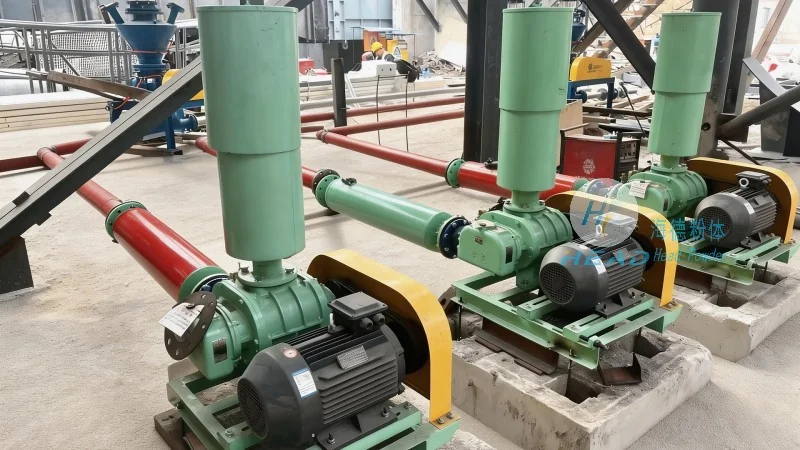
While initial setup costs for pneumatic systems may be higher than some mechanical alternatives, their long-term operational efficiency often justifies the investment. Modern pneumatic systems are designed to optimize air usage, reducing energy consumption and lowering operational costs. Additionally, the reduced need for maintenance and the extended lifespan of components contribute to overall cost savings.
5. Easy Integration with Automation
Pneumatic conveying systems can be easily integrated with automated control systems, allowing for precise control over the flow rate, pressure, and direction of material transport. This integration enables real-time monitoring and adjustment of the conveying process, improving overall production efficiency and reducing downtime.
Customized Solutions from HeadPowder
Shandong HeadPowder Engineering Co., Ltd., a leading provider of industrial conveying solutions, specializes in designing and manufacturing pneumatic conveying systems tailored to the specific needs of fermentation malt handling. With years of experience in the industry, HeadPowder understands the unique challenges associated with malt transport and offers customized solutions that address the specific requirements of each client.
System Design and Engineering Expertise
HeadPowder's team of engineers and technicians work closely with clients to assess their production processes, material characteristics, and operational goals. They then design pneumatic conveying systems that optimize efficiency, minimize downtime, and ensure compliance with industry standards. The company's expertise extends to the selection of appropriate components, such as air compressors, filters, and control valves, to ensure the system operates at peak performance.
Material Handling and Process Integration
HeadPowder's solutions are not limited to the conveying equipment itself but also include integration with upstream and downstream processes. This includes feeding systems, storage silos, and processing equipment, ensuring a seamless flow of malt from storage to the final product. The company's engineers consider factors such as bulk density, moisture content, and particle size to design systems that maintain the integrity of the malt throughout the entire process.




