Gelatin, a versatile and widely used industrial material, is often required to be transported efficiently from one processing stage to another. The choice of conveying method significantly impacts the overall production efficiency, product quality, and operational costs. In this article, we will explore the common gelatin conveying methods, with a particular focus on the gelatin pneumatic conveying system, which is increasingly favored in modern industrial applications.
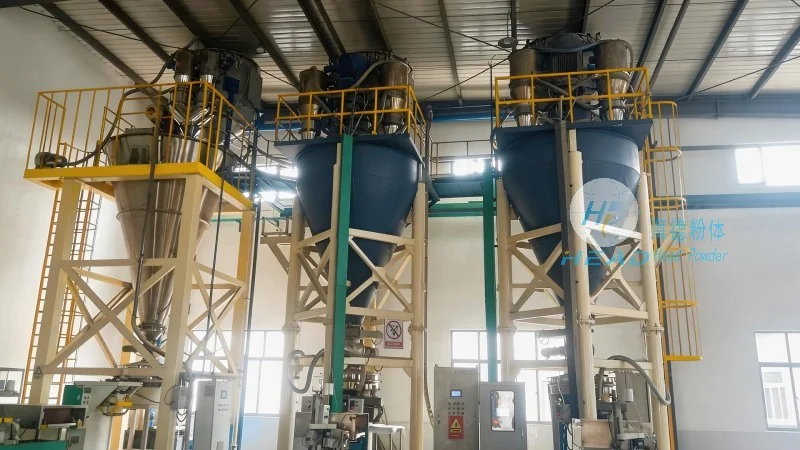
Understanding Gelatin and Its Conveying Requirements
Gelatin is a protein derived from collagen, commonly used in food, pharmaceutical, and cosmetic industries. Its properties, such as hygroscopicity and sensitivity to temperature and pressure, make conventional conveying methods challenging. Traditional methods like manual handling or mechanical conveying may cause product degradation, contamination, or uneven distribution. Therefore, selecting an appropriate conveying system is crucial to maintain gelatin's quality and ensure smooth production flow.
Common Gelatin Conveying Methods
Several methods are employed for gelatin transportation, each with its own advantages and limitations. The primary options include gravity flow, mechanical conveying (e.g., screw conveyors, belt conveyors), and pneumatic conveying. Gravity flow systems rely on the material's weight to move it downwards, which is suitable for short distances and gentle slopes but is limited by the material's angle of repose and the need for a sloped path. Mechanical conveyors, while effective for bulk materials, may introduce friction and heat that can affect gelatin's properties. Pneumatic conveying, on the other hand, offers a more controlled and gentle transport, making it ideal for sensitive materials like gelatin.
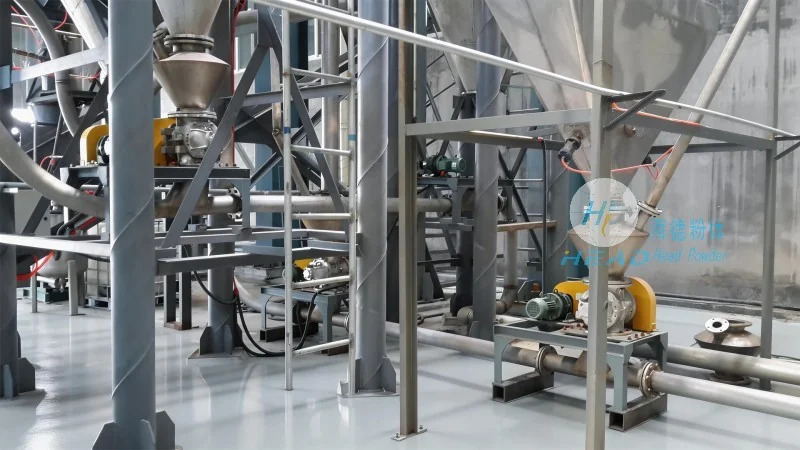
Gelatin Pneumatic Conveying: A Detailed Overview
Pneumatic conveying, also known as air conveying, uses compressed air to transport solid materials through a pipeline. In the context of gelatin, this method provides several benefits, including minimal product degradation, low contamination risk, and the ability to handle fine powders or granules. The system typically consists of a hopper, a rotary valve, a venturi or positive displacement pump, and a receiver. The compressed air creates a low-pressure zone that draws the gelatin into the pipeline, moving it from the source to the destination. This process is gentle on the material, preserving its quality and preventing caking or agglomeration.
There are two main types of pneumatic conveying systems: negative pressure (or suction) and positive pressure (or pressure) systems. Negative pressure systems use a vacuum to draw material from the source, which is suitable for short distances and when the material is to be collected from multiple points. Positive pressure systems use compressed air to push the material through the pipeline, ideal for longer distances and when the material needs to be distributed to multiple destinations. For gelatin, the choice between these systems depends on the specific application, such as the distance between the production and processing areas, the number of transfer points, and the required flow rate.
Key Considerations for Implementing Gelatin Pneumatic Conveying
When selecting a gelatin pneumatic conveying system, several factors must be considered to ensure optimal performance and efficiency. First, the material's properties, including its particle size, moisture content, and flowability, must be evaluated. Gelatin's hygroscopic nature means that moisture control is critical to prevent caking and maintain product quality. The system design should include features like moisture-proofing and temperature regulation to address these concerns. Second, the system's capacity and flow rate must match the production requirements. Overloading the system can lead to pressure drops and material blockages, while underloading may result in inefficient energy use. Third, the material of construction is important, as gelatin can be corrosive or abrasive. Materials like stainless steel are commonly used to prevent contamination and ensure durability.
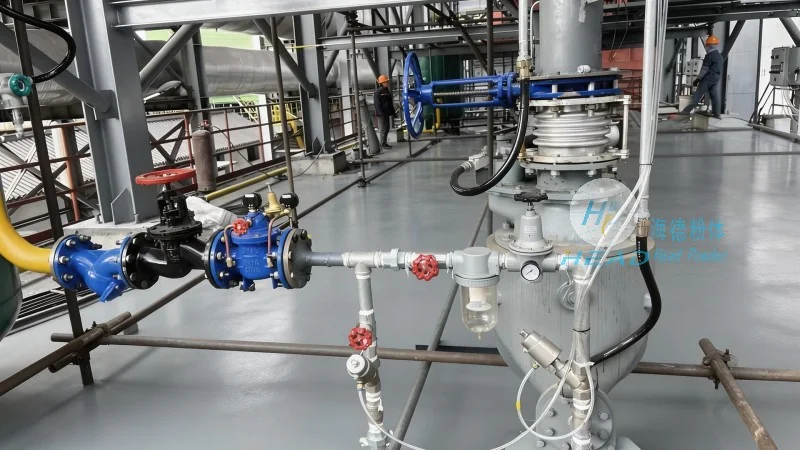
Another critical consideration is the system's maintenance and operational costs. Pneumatic conveying systems require regular maintenance, such as cleaning of the pipeline and replacement of air filters, to prevent material buildup and ensure consistent performance. The energy consumption of the system should also be evaluated, as it can significantly impact operational costs. Companies like Shandong HeadPowder Engineering Co., Ltd., based in China, specialize in designing and manufacturing customized gelatin pneumatic conveying systems tailored to specific industrial needs. Their expertise in material handling and process engineering ensures that the systems are efficient, reliable, and cost-effective.
Conclusion
Gelatin pneumatic conveying is a highly effective method for transporting gelatin, offering advantages over traditional conveying techniques. By understanding the material's properties and the system's requirements, industries can select the most suitable conveying method to maintain product quality and enhance production efficiency. With the right design and implementation, gelatin pneumatic conveying systems can provide long-term benefits, including reduced downtime, lower maintenance costs, and improved product consistency. As the demand for high-quality gelatin products continues to grow, the adoption of advanced conveying technologies like pneumatic systems will remain essential for industrial success.




