

What is Graphite Lump Material Handling? And What Are the Design Principles?
Graphite lump material handling refers to the processes and systems used to transport, store, and manage graphite lumps in industrial settings. This involves a range of equipment and techniques tailored to the unique properties of graphite, such as its high lubricity, thermal conductivity, and chemical resistance. Effective material handling is crucial for optimizing production efficiency, ensuring product quality, and maintaining safety standards in facilities that work with graphite lumps.
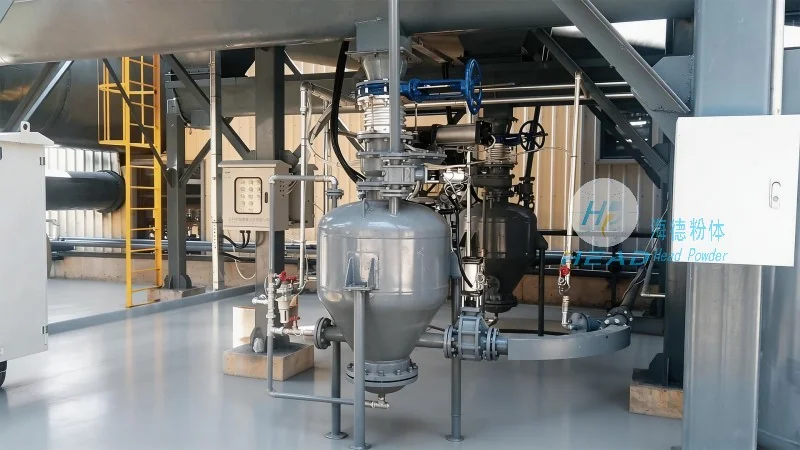
Understanding the Core Concepts of Material Handling for Graphite Lumps
At its essence, material handling for graphite lumps focuses on moving these materials from one location to another within a facility or between different stages of production. This includes tasks like loading, unloading, conveying, and storing graphite lumps. The challenges in handling graphite lumps stem from their physical characteristics—such as their irregular shapes, varying sizes, and potential for dust generation. Therefore, specialized equipment and design approaches are essential to address these challenges and ensure smooth operations.
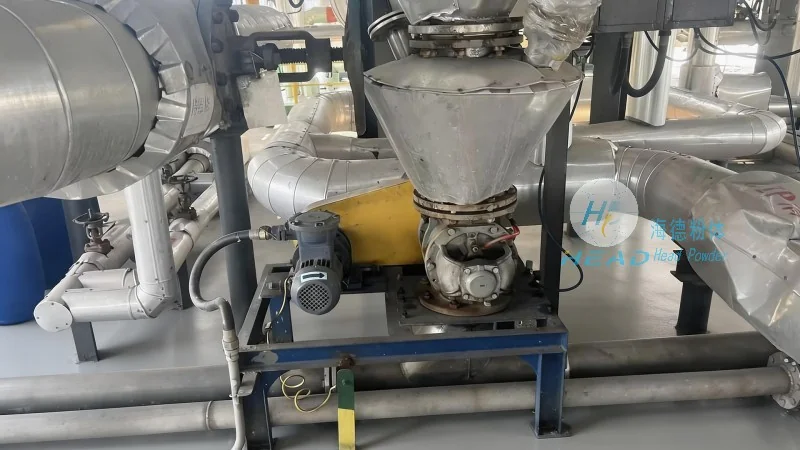
Key Design Principles in Graphite Lump Handling Systems
Designing an effective material handling system for graphite lumps requires adherence to several critical principles. First, the system must prioritize material flow efficiency, minimizing the time and energy required to move graphite lumps from source to destination. This involves selecting appropriate conveyor types, such as belt conveyors or screw conveyors, that can handle the lump's size and weight without causing degradation or damage. Second, safety is paramount. Graphite dust can be hazardous, so systems must incorporate dust suppression measures, such as enclosed conveyors or dust collection systems, to protect both equipment and personnel. Third, durability and maintenance are key considerations. Graphite lumps can be abrasive, so components like belts, bearings, and hoppers must be constructed from materials resistant to wear and corrosion. Finally, flexibility is important, as production needs may change, requiring systems that can adapt to different lump sizes or throughput rates.
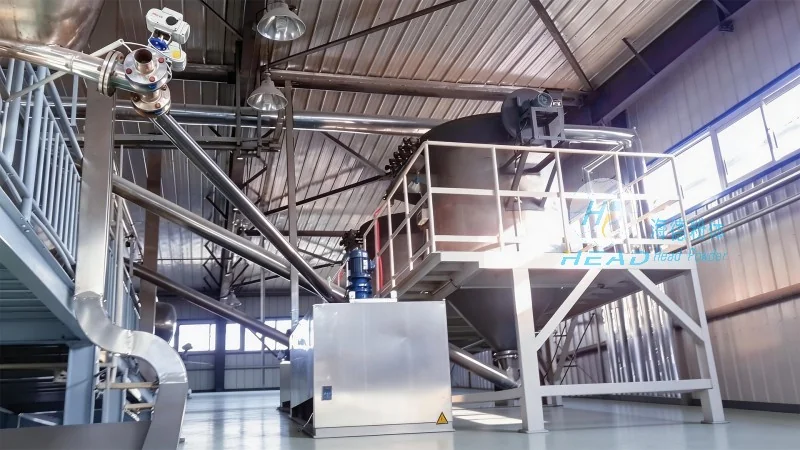
Components and Mechanisms of Graphite Lump Handling Equipment
The core components of a graphite lump handling system typically include feeders, conveyors, elevators, and storage bins. Feeders, such as rotary valves or vibratory feeders, control the flow rate of graphite lumps from a storage bin or hopper, ensuring a consistent feed to the conveyor system. Conveyors, often belt conveyors or chain conveyors, transport the lumps horizontally or at an incline. For vertical movement, bucket elevators or screw conveyors are used to lift the lumps to higher levels. Storage bins or silos are used to store graphite lumps before processing, providing a buffer to maintain consistent material supply. Each component must be designed to handle the specific properties of graphite lumps, with features like smooth surfaces to prevent sticking and robust construction to withstand abrasion.
Application Scenarios and Practical Considerations
Graphite lump material handling is widely used in various industries, including refractory manufacturing, battery production, and lubricant formulation. In refractory production, for example, graphite lumps are used as a raw material for making high-temperature bricks, and efficient handling ensures a steady supply of material to the mixing and molding processes. In battery manufacturing, graphite lumps are used as an anode material, and precise handling is critical to maintain the purity and consistency of the material, which directly impacts battery performance. Practical considerations in these applications include the need for dust-free environments in battery production, where enclosed systems and filtration are essential. Additionally, in high-temperature applications like refractory manufacturing, the equipment must be able to withstand thermal stresses, requiring materials like stainless steel or specialized coatings.
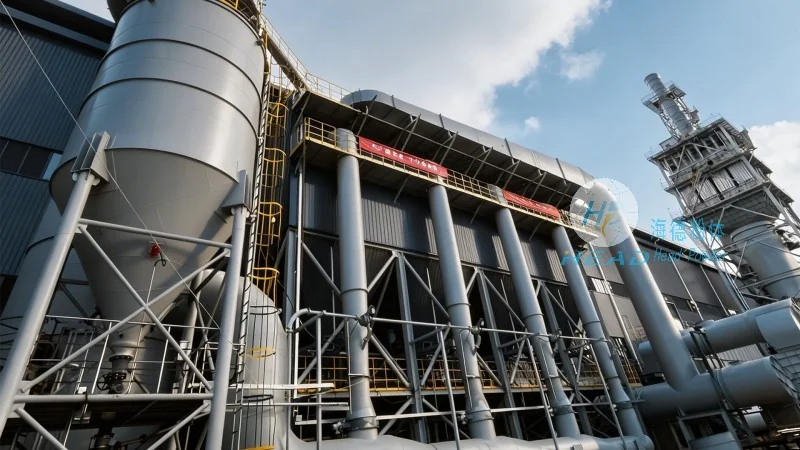
About the Provider: Shandong HeadPowder Engineering Co., Ltd.
Shandong HeadPowder Engineering Co., Ltd., commonly known as HeadPowder, is a leading provider of material handling solutions tailored for graphite and other powder materials. With a focus on engineering excellence and customer-centric design, HeadPowder specializes in developing customized systems that meet the unique needs of clients in the graphite industry. The company's expertise lies in understanding the challenges of handling graphite lumps and designing systems that optimize efficiency, safety, and durability. HeadPowder's solutions are built with high-quality components and advanced technologies, ensuring reliable performance in demanding industrial environments. Based in Shandong, China, HeadPowder serves clients globally, providing comprehensive support from system design to installation and maintenance. By combining technical knowledge with practical experience, HeadPowder helps businesses in the graphite sector enhance their operational capabilities and achieve their production goals.