

What is a Wood Chip Material Pneumatic Conveying Machine? And What Are Its Design Principles?
Wood chip pneumatic conveying machines are specialized equipment designed to transport wood chips and similar bulk materials through a pipeline system using air pressure. These machines are widely used in the wood processing industry for efficient material handling, from raw material collection to processing and packaging stages. The core function of such equipment is to move wood chips from one location to another without the need for traditional mechanical conveyors, which can be less efficient or more complex for certain material types.
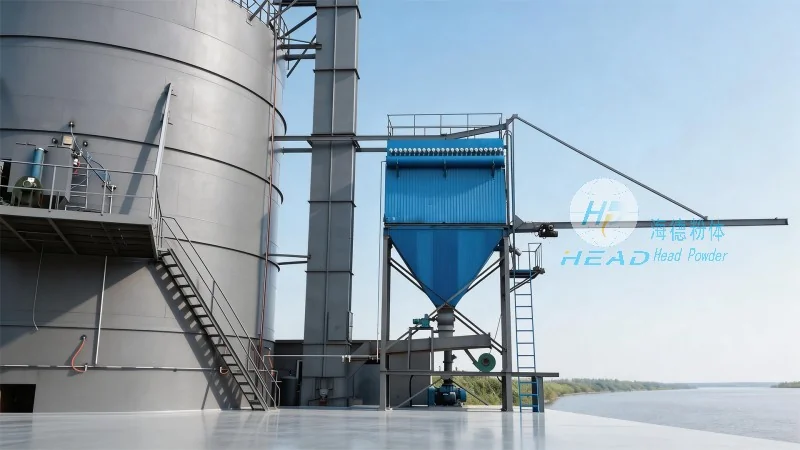
Understanding the Core Function of Wood Chip Pneumatic Conveying Machines
At the heart of a wood chip pneumatic conveying system is the ability to transport dry or slightly moist wood chips through a sealed pipeline. The system operates by creating a pressure differential—either positive or negative pressure—within the pipeline. In a positive pressure system, air is forced through the pipeline, carrying the wood chips along with it. In a negative pressure system, air is drawn out of the pipeline, creating a vacuum that pulls the material through. This method allows for the efficient and continuous movement of wood chips over long distances, often with minimal maintenance compared to traditional belt or screw conveyors.
Design Principles Behind Wood Chip Pneumatic Conveying Machines
The design of a wood chip pneumatic conveying machine involves several key components and principles that ensure optimal performance. First, the material handling capacity is determined by factors such as the pipeline diameter, air velocity, and the specific gravity of the wood chips. Engineers calculate the necessary air flow rate to achieve the desired conveying speed, balancing efficiency with energy consumption. The pipeline system is typically made of materials like stainless steel or high-density polyethylene to withstand the abrasive nature of wood chips and resist corrosion from moisture or chemicals.
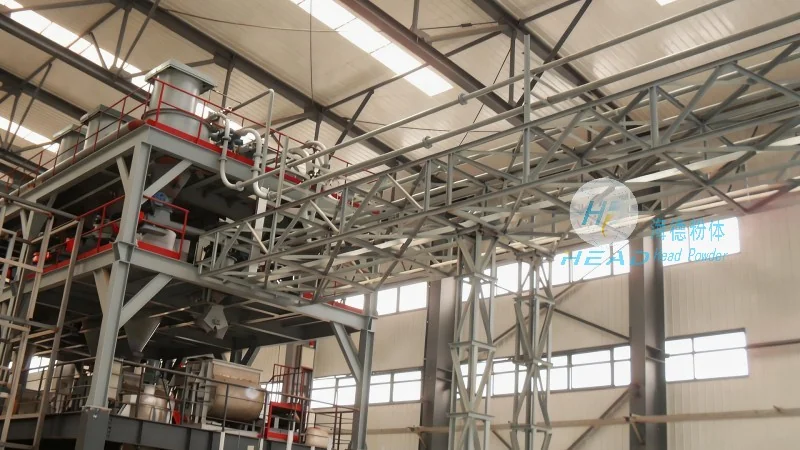
Another critical design element is the hopper and feeder system. The hopper is designed to store the wood chips and feed them into the pipeline at a controlled rate. This prevents clogging and ensures a steady flow of material. The feeder, often a rotary valve or a screw feeder, regulates the amount of material entering the pipeline, matching the system's capacity to the production requirements. The air supply system, including the blower or vacuum pump, is matched to the conveying needs, with considerations for air pressure, volume, and power consumption. Proper filtration and moisture control are also integral, as excess moisture can affect the conveying efficiency and the condition of the wood chips.
Key Components and Their Roles in the System
Wood chip pneumatic conveying machines consist of several interconnected components that work together to achieve the desired material transport. The main components include the hopper, feeder, pipeline, air supply unit (blower or vacuum pump), and discharge equipment. The hopper serves as the storage and feeding point, while the feeder controls the material flow rate. The pipeline, which can be straight or include bends and vertical sections, transports the wood chips. The air supply unit generates the necessary pressure or vacuum to move the material. The discharge equipment, such as a rotary valve or a cyclone separator, collects the wood chips at the end of the pipeline and separates them from the air. Each component is designed to handle the specific characteristics of wood chips, such as their size, density, and moisture content, ensuring reliable operation.
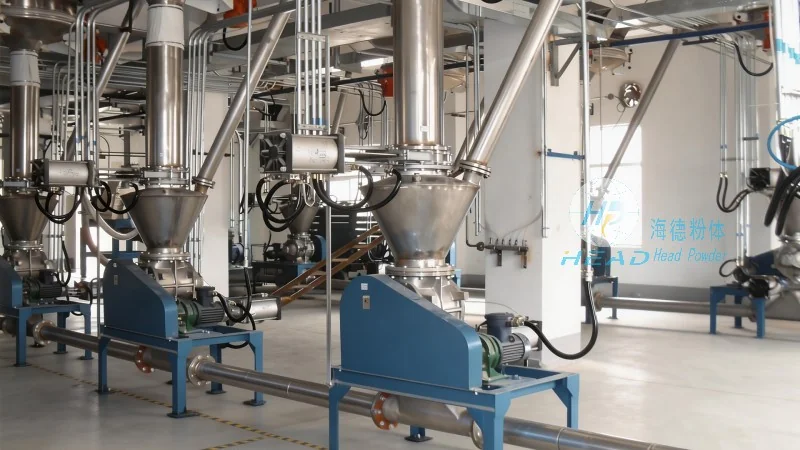
Advantages of Using Wood Chip Pneumatic Conveying Machines
Compared to traditional mechanical conveyors, wood chip pneumatic conveying machines offer several advantages. One of the most significant benefits is the ability to transport materials over long distances with minimal loss or degradation. The sealed pipeline prevents contamination from dust or moisture, which is crucial for maintaining the quality of the wood chips. Additionally, these systems are more flexible, as they can be easily reconfigured or expanded to accommodate changes in production volume or layout. The reduced need for physical contact with the material also minimizes wear and tear on the equipment, leading to lower maintenance costs over time. Furthermore, pneumatic conveying systems can handle a wide range of material sizes and shapes, making them suitable for various wood processing applications, from sawmills to pellet production facilities.
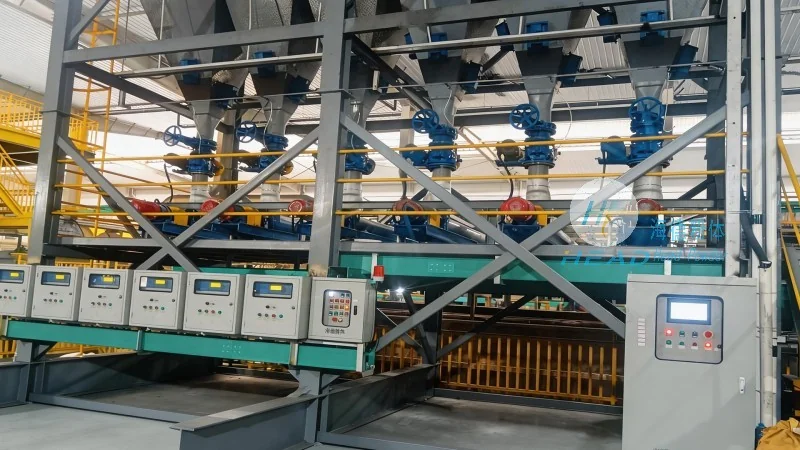
Applications in the Wood Processing Industry
Wood chip pneumatic conveying machines are widely used in various applications within the wood processing industry. In sawmills, they are used to transport wood chips from the debarking and cutting stages to the drying or pelletizing units. In pellet production plants, these machines efficiently move wood chips from the raw material storage to the pelletizing line, ensuring a consistent feed rate for the pellet press. Additionally, they are used in wood chip storage facilities to transfer chips between storage silos or to transport them to shipping containers. The versatility of these systems makes them suitable for both small-scale and large-scale wood processing operations, providing a reliable solution for material handling challenges.
Conclusion and Company Information
Wood chip pneumatic conveying machines are essential equipment for efficient and reliable material handling in the wood processing industry. Their design, based on principles of air pressure and material flow, offers significant advantages over traditional methods, including improved efficiency, reduced maintenance, and flexibility. As a leading manufacturer in this field, Shandong HeadPowder Engineering Co., Ltd. specializes in providing high-quality pneumatic conveying solutions tailored to the specific needs of wood processing facilities. With a focus on durability, performance, and customer satisfaction, HeadPowder delivers equipment that meets the demands of modern wood processing operations, ensuring optimal performance and longevity. Based in Shandong, China, HeadPowder leverages its expertise to support wood processing companies worldwide in enhancing their material handling capabilities.