

What is a Light Calcium Material Pneumatic Conveying Machine? And What Are Its Design Principles?
Light calcium material, also known as calcium carbonate, is a widely used industrial material in various sectors such as construction, plastics, and paper manufacturing. The efficient handling and transportation of this material are crucial for industrial operations. A light calcium material pneumatic conveying machine is a specialized equipment designed to transport light calcium powder through an air stream, offering a dust-free and continuous conveying solution. This article will explore the fundamental aspects of such machines, including their design principles and operational mechanisms.
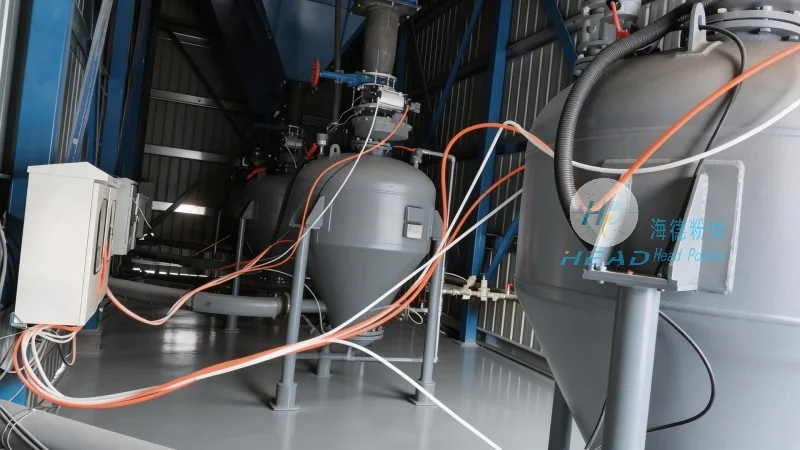
About Shandong HeadPowder Engineering Co., Ltd.
Shandong HeadPowder Engineering Co., Ltd., commonly known as HeadPowder, is a leading manufacturer in the field of powder handling equipment. With a strong focus on innovation and quality, HeadPowder specializes in designing and producing pneumatic conveying systems tailored to meet the specific needs of various industries. The company's headquarters is located in Shandong, China, where it leverages advanced technology and expertise to develop reliable and efficient solutions for material transport. HeadPowder's commitment to customer satisfaction and product excellence has established it as a trusted name in the industry.
Design Principles of Light Calcium Pneumatic Conveying Machines
The design of a light calcium material pneumatic conveying machine is based on the fundamental principles of pneumatic transport, which involves the use of air to move particulate materials. The core components of such a machine typically include a hopper for material storage, a blower or compressor to generate the air flow, a pipeline system for material transport, and a discharge outlet for the conveyed material. The machine operates by feeding light calcium powder into the hopper, where it is then drawn into the pipeline by the air stream generated by the blower. The air flow velocity is carefully controlled to ensure that the powder particles are suspended and transported efficiently without clogging or degradation.
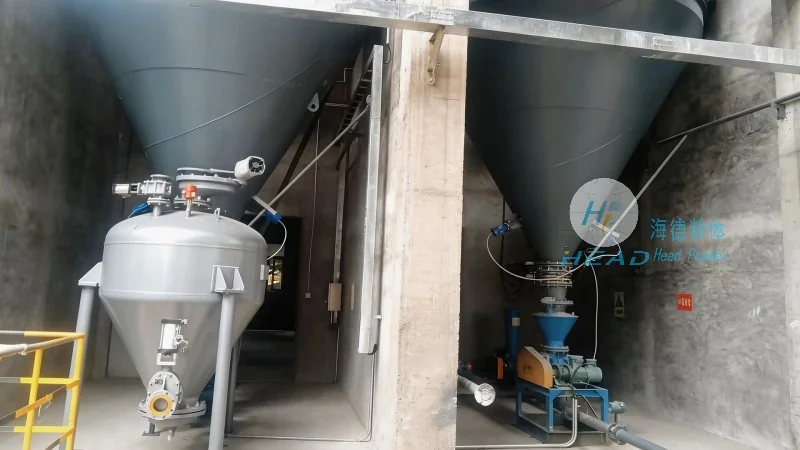
One of the key design considerations is the air-to-material ratio, which determines the conveying capacity and efficiency of the system. The optimal ratio is achieved by balancing the air velocity with the particle size and density of the light calcium material. HeadPowder's engineers employ advanced computational fluid dynamics (CFD) and empirical data to determine the most suitable air-to-material ratio for different applications, ensuring that the conveying process is both efficient and cost-effective. Additionally, the machine's design incorporates features such as air filtration and dust collection systems to maintain a clean and safe working environment, which is particularly important when handling light calcium powder, which can be fine and prone to dust generation.
Key Components and Operational Mechanisms
The light calcium material pneumatic conveying machine consists of several critical components that work in tandem to achieve effective material transport. The hopper serves as the primary storage unit, equipped with a feeding mechanism such as a rotary valve or a screw feeder to control the flow of material into the pipeline. The blower or compressor is the power source, providing the necessary air pressure and volume to move the material. The pipeline system is typically made of stainless steel or other corrosion-resistant materials to prevent material buildup and ensure durability. The discharge outlet is designed to allow the material to be released at the desired location, often equipped with a filter or separator to prevent air leakage and maintain material purity.
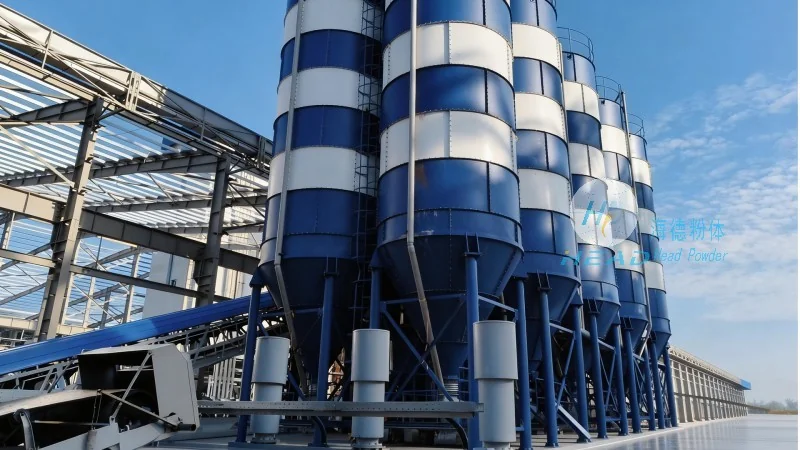
During operation, the machine starts by activating the blower, which creates a low-pressure zone in the pipeline. The light calcium powder is then introduced into the hopper and fed into the pipeline by the feeding mechanism. The air stream carries the powder particles through the pipeline, maintaining a consistent flow rate. The conveying process continues until the material is fully discharged at the end of the pipeline. The machine's control system monitors parameters such as air pressure, flow rate, and material level to ensure smooth operation and prevent any potential issues such as clogging or overloading.
Advantages of Using Light Calcium Pneumatic Conveying Machines
Light calcium material pneumatic conveying machines offer several advantages over traditional conveying methods, making them a preferred choice for many industrial applications. One of the primary benefits is the ability to transport material in a dust-free environment, which enhances workplace safety and reduces the risk of dust-related health issues. The continuous and automated operation of the machine minimizes labor costs and improves production efficiency. Additionally, the system allows for flexible and adjustable conveying distances and heights, making it suitable for various industrial setups. The use of air as the conveying medium also reduces the need for mechanical components such as belts or chains, which can wear out over time and require frequent maintenance. HeadPowder's machines are designed to maximize these advantages, providing reliable and efficient solutions for light calcium material handling.
Applications and Industry Use Cases
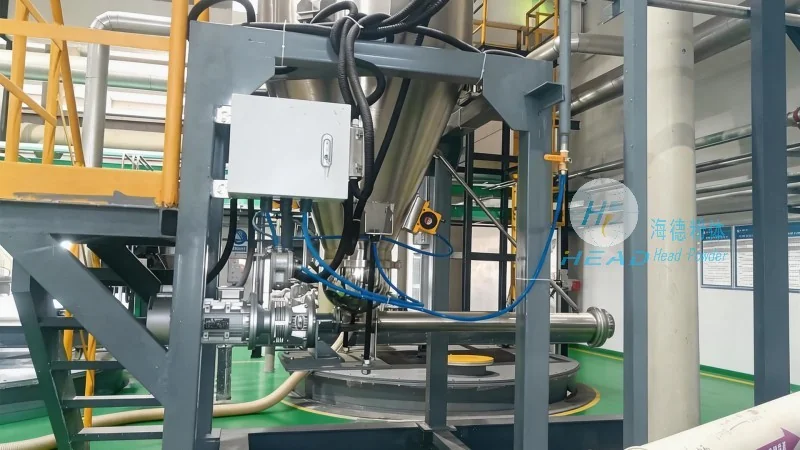
Light calcium material pneumatic conveying machines are widely used in various industries due to their versatility and efficiency. In the construction industry, they are used to transport light calcium powder for the production of cement, plaster, and other building materials. The food and beverage industry utilizes these machines for handling light calcium as a food additive or filler in products such as dairy and bakery items. The plastic and rubber industry benefits from the efficient transport of light calcium as a filler in polymer compounds, improving the mechanical properties of the final products. Additionally, the paper industry uses light calcium powder as a coating or filler in paper production, and pneumatic conveying machines ensure a consistent and high-quality supply of the material. HeadPowder's machines are tailored to meet the specific requirements of these industries, providing customized solutions that enhance productivity and product quality.
Maintenance and Operational Tips
Proper maintenance is essential to ensure the long-term performance and reliability of a light calcium material pneumatic conveying machine. Regular inspection of the blower and compressor for wear and tear is crucial to prevent breakdowns. The pipeline system should be checked for any signs of corrosion or blockages, and cleaned as needed to maintain optimal air flow. The feeding mechanism and hopper should be inspected for material buildup or clogging, which can affect the conveying efficiency. HeadPowder recommends conducting routine maintenance checks to identify and address any issues before they escalate into major problems. Additionally, operators should follow the manufacturer's guidelines for operating the machine, including proper start-up and shutdown procedures, to ensure safe and efficient operation. By adhering to these maintenance and operational tips, users can maximize the lifespan and performance of their light calcium pneumatic conveying machines.