

Operation Process and Working Principle of Pneumatic Conveying System for Lightweight Cement Materia
For industrial applications involving the transport of lightweight cement materials, efficient and reliable material handling solutions are crucial. The pneumatic conveying system, as a key technology in this field, offers a versatile approach to move bulk materials like lightweight cement with precision and minimal downtime. This article delves into the operational process and working principles of such systems, providing insights into how they function and the benefits they bring to material handling operations.
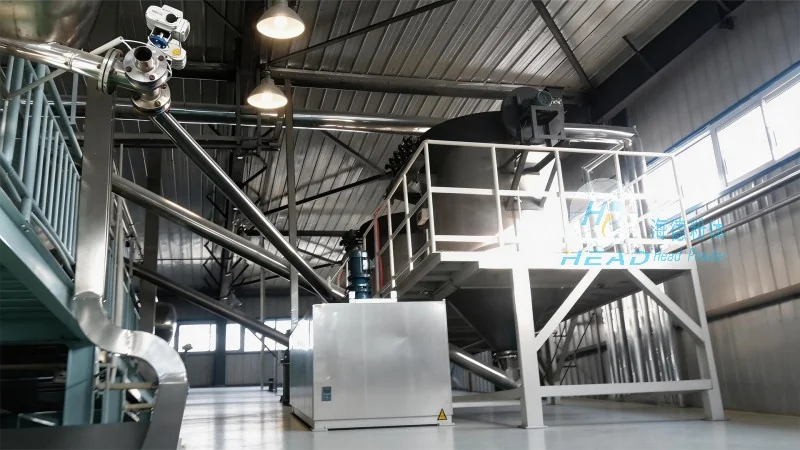
Company Overview: Shandong HeadPowder Engineering Co., Ltd.
HeadPowder, a leading provider in the field of material handling equipment, specializes in the design, manufacturing, and installation of pneumatic conveying systems tailored to diverse industrial needs. With a strong presence in China, particularly in Shandong, the company leverages years of expertise to deliver high-quality solutions that meet the specific requirements of clients in the cement and related industries. The company’s commitment to innovation and customer satisfaction is reflected in its comprehensive product portfolio and professional service approach.
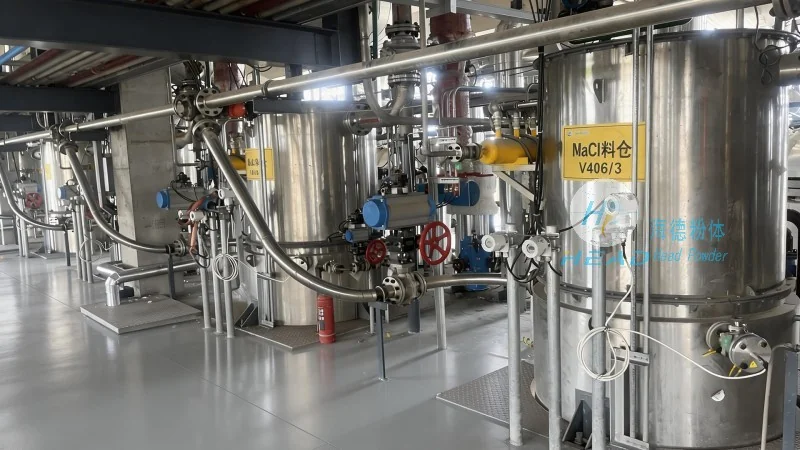
Core Components and System Architecture
The pneumatic conveying system for lightweight cement materials typically consists of several key components, each playing a vital role in the overall operation. These include the material feed hopper, which holds the lightweight cement and regulates the flow into the system; the air supply unit, responsible for generating the necessary airflow to move the material; the conveying pipeline, which transports the material from the feed point to the discharge point; and the control system, which monitors and adjusts the operation parameters to ensure optimal performance. Additionally, accessories such as filters, silencers, and pressure vessels may be integrated to enhance system efficiency and safety.
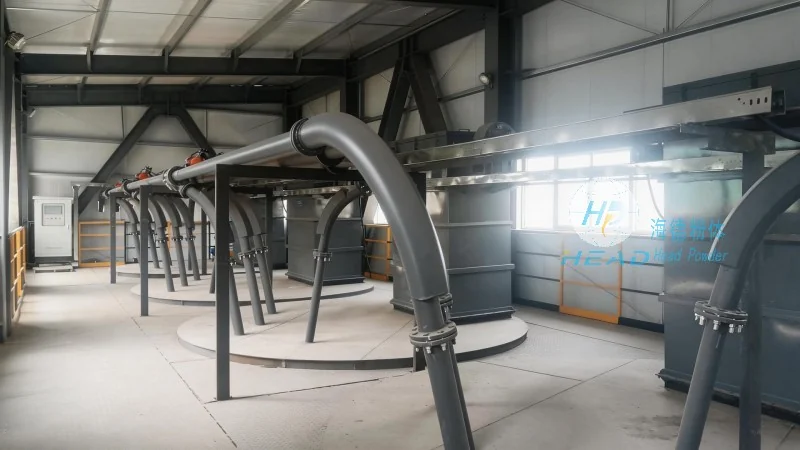
Operation Process: Step-by-Step Overview
The operation of the pneumatic conveying system for lightweight cement materials follows a systematic sequence to ensure smooth material transport. The process begins with the loading of lightweight cement into the feed hopper. As the material is fed into the system, the air supply unit activates, generating a controlled airflow that lifts the material particles from the hopper and propels them through the conveying pipeline. The material is carried by the air stream, moving from the inlet to the outlet of the system. At the discharge point, the material is separated from the air, typically through a cyclone separator or a filter, and collected in the receiving container. The control system continuously monitors parameters such as air pressure, flow rate, and material level, making real-time adjustments to maintain consistent performance and prevent system failures.
Working Principle: How the System Transfers Material
The working principle of the pneumatic conveying system relies on the fundamental physics of fluid dynamics and particle movement. When the air supply unit produces a high-velocity airflow, it creates a pressure differential that lifts the lightweight cement particles from the feed hopper. The particles are entrained by the air stream and carried through the pipeline. The velocity of the air and the size of the particles determine the conveying velocity and the system's capacity. The system operates on either positive pressure (where air is forced into the system) or negative pressure (where air is drawn out), depending on the specific application and material characteristics. The design of the pipeline, including bends and fittings, is optimized to minimize pressure loss and ensure efficient material transport. The separation process at the discharge end uses centrifugal force to separate the material from the air, allowing the air to be recirculated or discharged, while the material is collected for further use.
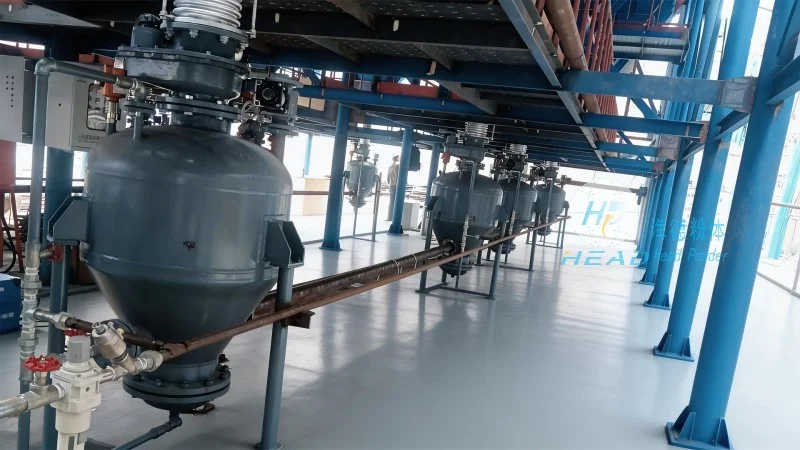
Advantages and Applications
Pneumatic conveying systems for lightweight cement materials offer several advantages over traditional mechanical conveying methods. These include reduced maintenance costs, as there are fewer moving parts and less wear on components; improved safety, as the system operates in enclosed pipelines, minimizing dust exposure and environmental impact; and enhanced flexibility, allowing for easy integration with existing production lines and modifications to accommodate varying material volumes. The systems are widely used in the cement industry for transporting raw materials, such as lightweight aggregates and additives, as well as finished products like lightweight cement powders. They are also applicable in other industries, including construction, agriculture, and chemical processing, where bulk material handling is required.