HeadPowder, a leading engineering firm based in Shandong, China, specializes in the design, manufacturing, and installation of advanced pneumatic conveying systems tailored for handling powder electrolyte materials. This article delves into the operational process and underlying working principles of such systems, providing a comprehensive understanding of their functionality and application in industrial settings.
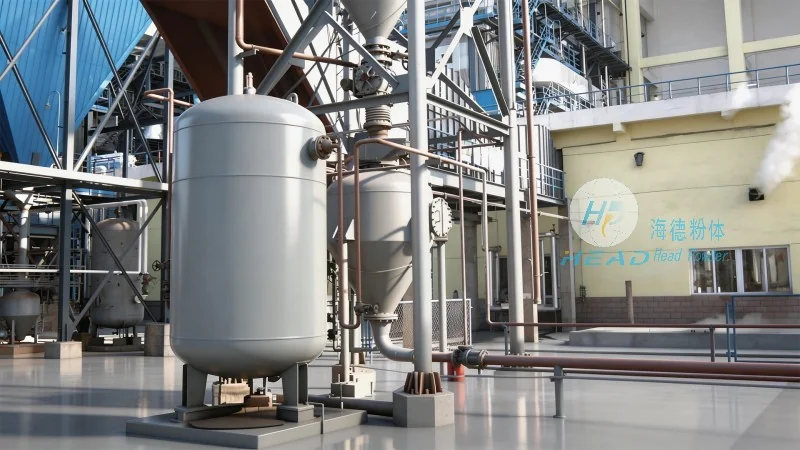
Overview of Pneumatic Conveying Systems for Powder Electrolytes
Pneumatic conveying systems are essential for the efficient and safe transportation of fine powders, including electrolyte materials, in various industrial processes. These systems utilize air or other gases to move materials through a pipeline network, eliminating the need for mechanical components like belts or buckets. The primary advantage of pneumatic conveying lies in its ability to handle delicate materials without causing degradation or contamination, making it ideal for applications in battery manufacturing, chemical processing, and other sectors where material integrity is critical.
Key Components of a Pneumatic Conveying System
A typical pneumatic conveying system for powder electrolytes consists of several core components, each playing a crucial role in the overall operation. These components include:
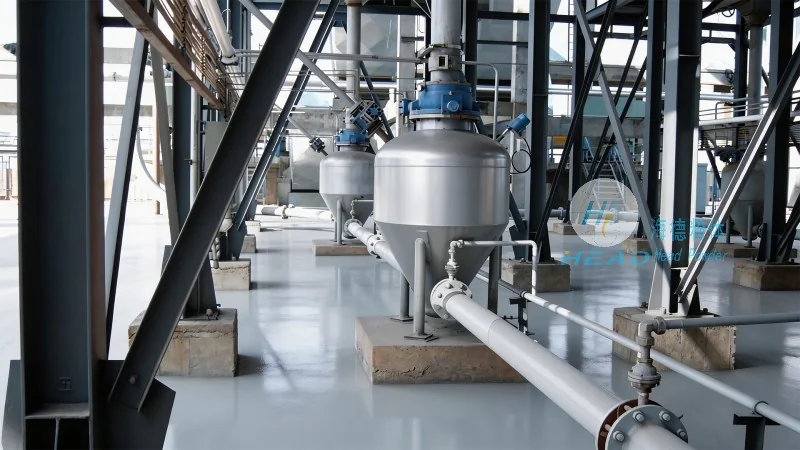
1. Feed Hopper: This component is responsible for storing and feeding the powder electrolyte material into the system. The hopper is designed to maintain a consistent material level and ensure a steady flow of powder into the conveying line. It often features a discharge valve or gate to control the material release rate.
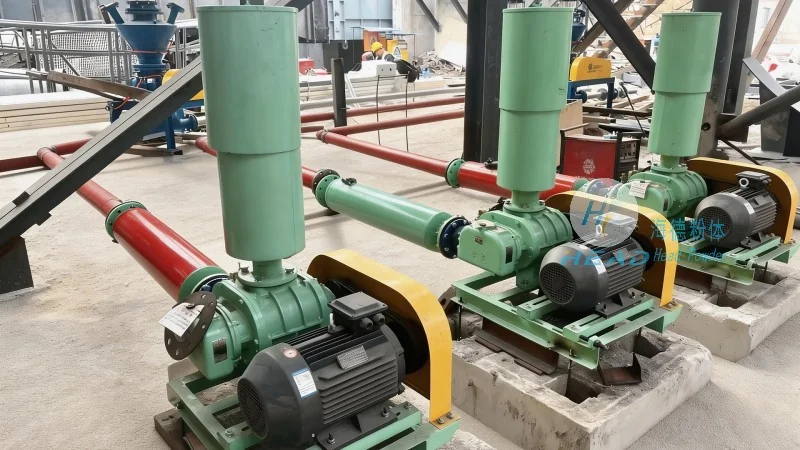
2. Air Supply Unit: The air supply unit generates the necessary air pressure or vacuum to move the powder through the pipeline. This unit typically includes a blower or compressor, a filter to remove contaminants from the air, and a pressure regulator to maintain stable air pressure.
3. Conveying Pipeline: The pipeline is the main pathway for transporting the powder electrolyte material. It is usually made of materials such as stainless steel or plastic, chosen for their resistance to corrosion and wear from the powder. The pipeline may include bends, elbows, and straight sections, with appropriate fittings to ensure smooth material flow.
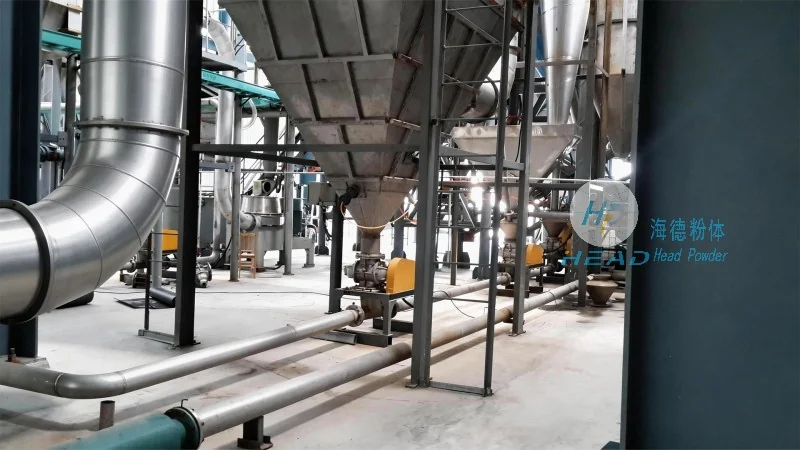
4. Control Valves and Regulators: These components are used to regulate the air flow and pressure within the system. They allow operators to adjust the conveying speed and volume, ensuring optimal performance and preventing system overload or blockages.
5. Receiving Hopper or Discharge Point: The receiving hopper collects the material at the end of the conveying line. It may be equipped with a discharge valve or conveyor to transfer the material to the next stage of the production process.
Working Principle of the Pneumatic Conveying Process
The operation of a pneumatic conveying system for powder electrolytes involves a sequence of steps that ensure efficient material transport. The process typically begins with the material being fed from the feed hopper into the conveying pipeline. Simultaneously, the air supply unit generates a flow of air that enters the pipeline at a specific pressure or vacuum level.
As the air flows through the pipeline, it entrains the powder electrolyte particles, creating a slurry-like mixture known as a "pneumatic stream." The air velocity is carefully controlled to maintain a stable suspension of the powder particles, preventing them from settling or clogging the pipeline. The mixture is then transported through the pipeline network to the receiving hopper or discharge point.
During the conveying process, the system may employ different conveying modes, such as pressure or vacuum systems, depending on the application requirements. Pressure systems use compressed air to push the material forward, while vacuum systems use a vacuum to pull the material through the pipeline. The choice of system depends on factors like the distance to be covered, the material properties, and the system layout.
Operational Process and Control
The operational process of a pneumatic conveying system for powder electrolytes involves several key steps that ensure smooth and efficient material transport. The process begins with the preparation of the system, which includes checking the air supply, ensuring the feed hopper is filled with material, and verifying the integrity of the pipeline and components.
Once the system is ready, the feed valve is opened to allow the powder electrolyte material to enter the conveying pipeline. The air supply unit is then activated, and the air flow is adjusted to the desired pressure or vacuum level. The material is then conveyed through the pipeline to the receiving hopper, where it is collected and prepared for the next stage of processing.
Throughout the operation, the system is monitored for performance indicators such as air pressure, material flow rate, and pipeline pressure drop. Operators can adjust the air flow or feed rate as needed to maintain optimal system performance and prevent issues like blockages or material degradation.
Advantages and Applications
Pneumatic conveying systems for powder electrolytes offer several advantages over traditional mechanical conveying methods. These include:
1. Efficiency and Speed: Pneumatic systems can transport materials over long distances at high speeds, reducing processing time and increasing overall productivity.
2. Material Integrity: The system minimizes material degradation, contamination, or segregation, ensuring that the powder electrolyte remains in its original state throughout the conveying process.
3. Flexibility: Pneumatic systems can be easily reconfigured or expanded to accommodate changes in production requirements or system layout.
4. Low Maintenance: With fewer moving parts compared to mechanical systems, pneumatic conveying systems require less maintenance and have lower operational costs.
These systems are widely used in industries such as battery manufacturing, where powder electrolytes are critical components. They are also employed in chemical processing, pharmaceuticals, and food processing, where the safe and efficient handling of fine powders is essential.
Conclusion
HeadPowder's expertise in designing and implementing pneumatic conveying systems for powder electrolytes ensures that industrial processes can achieve optimal material handling efficiency and reliability. By understanding the operational process and working principles of these systems, industries can leverage advanced technology to enhance productivity, maintain material quality, and reduce operational costs. The combination of robust engineering and careful system design makes pneumatic conveying an indispensable solution for the transportation of sensitive powder materials.




