

Operation Process and Working Principle of PFA Material Pneumatic Conveying System
For industrial applications involving the handling of polytetrafluoroethylene-co-hexafluoropropylene (PFA) materials, efficient and reliable material transport is crucial. Pneumatic conveying systems offer a versatile solution for transporting PFA powders or granules from one location to another within a production facility. This article provides an in-depth exploration of the operation process and working principles of a PFA material pneumatic conveying system, highlighting the key components, operational steps, and the technical aspects that ensure optimal performance.
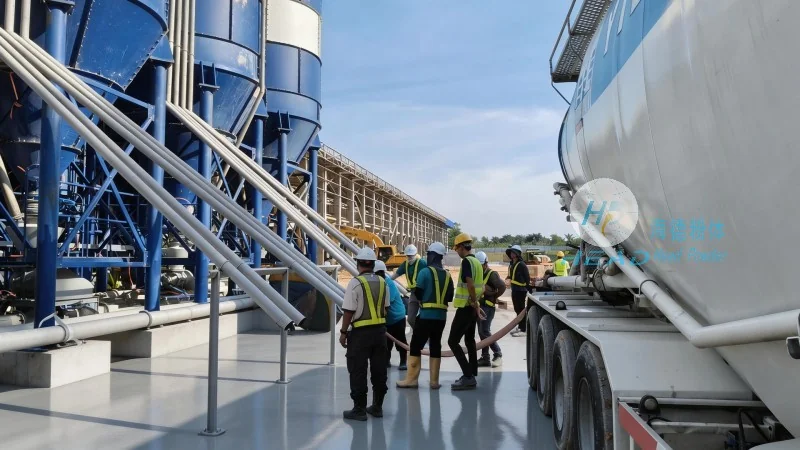
Introduction to PFA Material Pneumatic Conveying Systems
PFA is a fluoropolymer known for its excellent chemical resistance, thermal stability, and electrical insulation properties. These characteristics make PFA widely used in high-performance applications, such as semiconductor manufacturing, aerospace, and chemical processing. However, the unique physical properties of PFA, including its relatively high density and potential for static charge accumulation, require specialized handling methods to ensure safe and efficient transport. Pneumatic conveying systems are well-suited for this purpose, as they can handle fine powders and granules without the need for mechanical components that might cause contamination or damage to the material.
Key Components of the PFA Pneumatic Conveying System
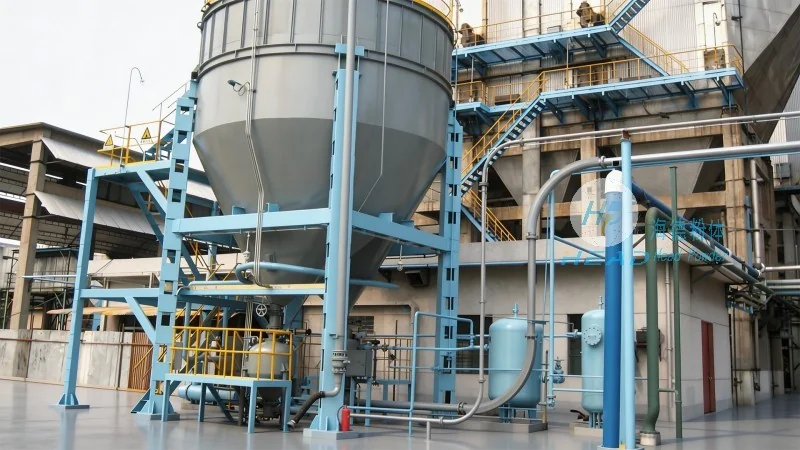
The PFA material pneumatic conveying system typically consists of several critical components that work in tandem to achieve effective material transport. These components include a material hopper for storage, a feeder to control the flow rate, a conveying line (often equipped with bends and filters), a receiver for the discharged material, and a blower or compressor to generate the necessary air pressure. Each component plays a vital role in the overall operation of the system.
Working Principle of the PFA Pneumatic Conveying System
The core principle of pneumatic conveying is the use of air flow to move material particles through a pipeline. In the case of PFA material handling, the system operates on either the pressure or vacuum principle. The pressure system uses a blower to force air and material into the conveying line, while the vacuum system employs a vacuum pump to draw material from the hopper into the line. The choice between these systems depends on factors such as the distance to be covered, the material's characteristics, and the desired flow rate.
Operation Process of the PFA Pneumatic Conveying System
The operation of a PFA material pneumatic conveying system involves a series of sequential steps to ensure smooth and controlled material transport. The process begins with the loading of PFA material into the hopper. The feeder then regulates the material flow into the conveying line, ensuring a consistent feed rate. The blower or vacuum pump generates the air flow, which lifts the PFA particles and propels them through the pipeline. As the material travels, it may encounter bends or filters that help maintain the flow and prevent blockages. Upon reaching the receiver, the material is discharged, and the air is filtered and returned to the system or vented to the atmosphere.
Key Considerations for PFA Material Handling in Pneumatic Conveying
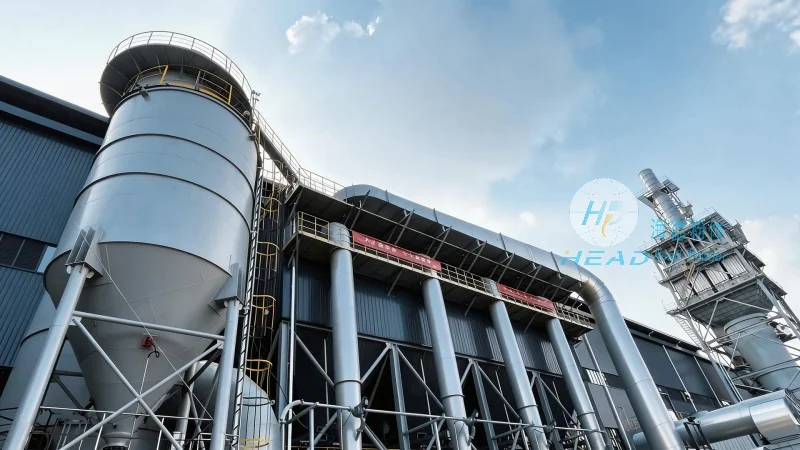
Handling PFA materials in a pneumatic conveying system requires attention to several factors to prevent issues such as material degradation, equipment wear, or system inefficiencies. For instance, PFA is prone to static charge buildup, which can cause material agglomeration or attract contaminants. Therefore, proper grounding and anti-static measures are essential. Additionally, the system must be designed to handle the specific particle size distribution and flow characteristics of PFA, as these affect the air velocity required for effective transport. Regular maintenance, including cleaning of filters and checking for air leaks, is also crucial to maintain system performance.
Advantages of Using PFA Pneumatic Conveying Systems
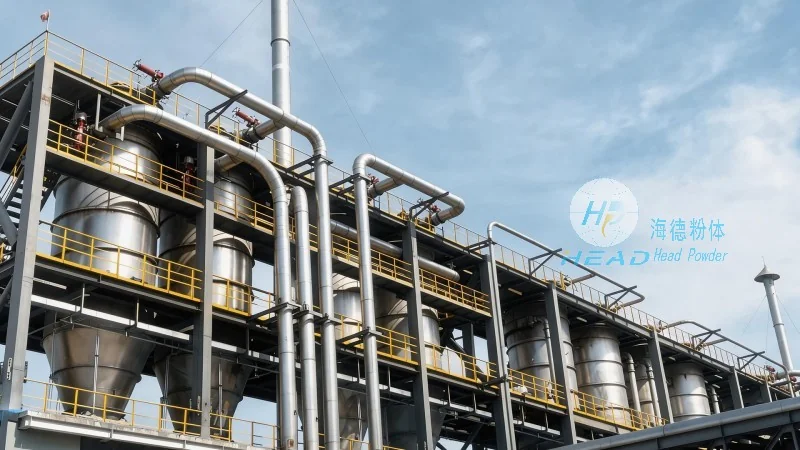
Pneumatic conveying systems offer several advantages when transporting PFA materials. These include the ability to handle fine powders without the need for mechanical conveyors, which can cause contamination or damage. The system also provides a closed-loop operation, reducing dust emissions and improving workplace safety. Furthermore, pneumatic conveying can be integrated with other production processes, such as mixing or drying, to create a seamless material handling workflow. The flexibility of the system allows for adjustments in flow rate and distance, making it suitable for various industrial applications.
Conclusion
In conclusion, the operation process and working principles of a PFA material pneumatic conveying system are critical to ensuring efficient and safe material transport in industrial settings. By understanding the key components, operational steps, and considerations for PFA handling, manufacturers can optimize their material handling processes and improve overall productivity. The system's ability to handle PFA's unique properties while maintaining a clean and controlled environment makes it an essential tool for industries relying on this high-performance fluoropolymer.