

Operation Process and Working Principle of Rotary Lobe Blower Material Pneumatic Conveying Equipment
Rotary lobe blowers are widely used in material pneumatic conveying systems due to their efficiency and reliability. These devices are essential for transporting bulk materials over short to medium distances, making them a critical component in various industrial applications. The operation and working principle of such equipment involve a series of steps that ensure smooth material transfer while maintaining system performance. Manufactured by Shandong HeadPowder Engineering Co., Ltd., these systems are designed to meet the demands of modern industrial processes.
Key Components of the Pneumatic Conveying System
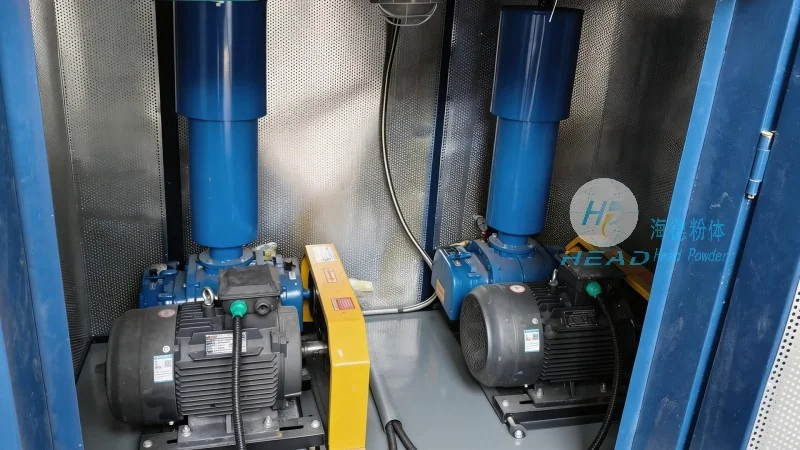
The rotary lobe blower material pneumatic conveying system typically consists of several key components, including the rotary lobe blower itself, a hopper for material storage, a conveying line, and a receiver for the discharged material. Each component plays a vital role in the overall functionality of the system. The rotary lobe blower is responsible for generating the necessary air pressure to move the material through the conveying line, while the hopper ensures a consistent supply of material to be conveyed. The conveying line serves as the pathway for the material and air, and the receiver collects the material after it has been transported.
Working Principle of the Rotary Lobe Blower
The working principle of the rotary lobe blower is based on the positive displacement mechanism. The blower features two lobed rotors that rotate in opposite directions within a housing. As the rotors turn, they create a series of sealed cavities that trap air or gas. The rotation of the lobes forces these cavities to move along the housing, increasing the pressure and moving the air or gas through the system. This pressure is then used to transport the material from the hopper to the receiver. The positive displacement design ensures a consistent and controllable airflow, which is crucial for stable material transport.
Operation Process of Material Conveying
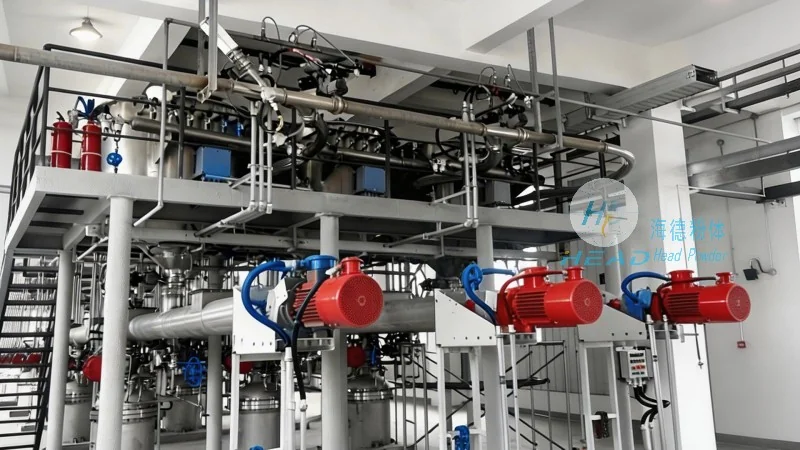
The operation process of the material pneumatic conveying equipment begins with the loading of material into the hopper. The rotary lobe blower then starts, generating the required air pressure. As the air pressure builds, it creates a vacuum at the inlet of the hopper, drawing the material into the conveying line. The material is then carried along the line by the moving air stream, reaching the receiver where it is discharged. The process is continuous as long as the blower operates and material is available in the hopper. The speed of material transport can be adjusted by controlling the air pressure and flow rate from the blower.
Advantages of Using Rotary Lobe Blower Systems
Rotary lobe blower material pneumatic conveying systems offer several advantages over other conveying methods. These include low maintenance requirements, high efficiency in material transfer, and the ability to handle a wide range of materials, from powders to granules. The positive displacement design ensures consistent air flow, which contributes to stable material transport and reduces the risk of blockages or system failures. Additionally, these systems are relatively compact and can be easily integrated into existing industrial setups.
Applications in Industrial Settings
These systems are commonly used in industries such as food processing, pharmaceuticals, chemicals, and mining. In food processing, they are used to convey ingredients like flour, sugar, and spices. In pharmaceuticals, they handle powders and granules for drug manufacturing. In chemical industries, they transport raw materials and finished products. In mining, they are used to move ore and other bulk materials. The versatility of rotary lobe blower systems makes them suitable for various applications where efficient and reliable material transfer is essential.
Maintenance and Operational Tips
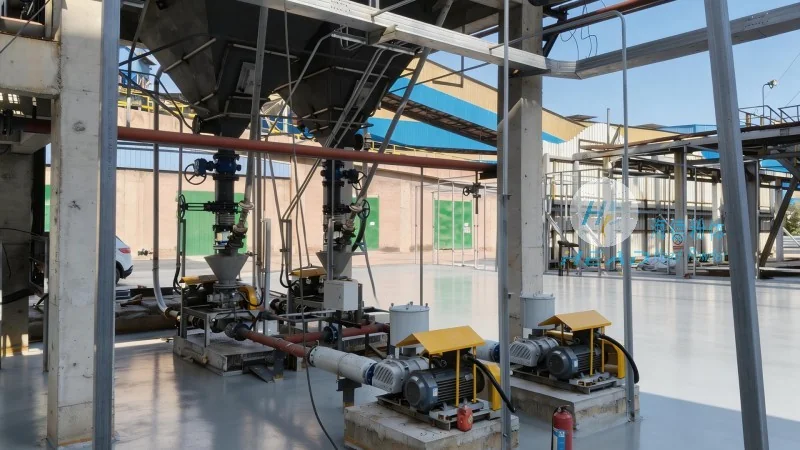
To ensure the longevity and optimal performance of the rotary lobe blower material pneumatic conveying equipment, regular maintenance is crucial. This includes checking the condition of the lobes and housing for wear and tear, ensuring proper lubrication of moving parts, and monitoring air pressure and flow rates. Additionally, it is important to keep the hopper and conveying line clean to prevent material buildup and blockages. By following these maintenance tips, users can maximize the operational efficiency and lifespan of the equipment. Regular inspections should also be conducted to identify any potential issues before they become major problems.
Conclusion
Rotary lobe blower material pneumatic conveying equipment is a reliable and efficient solution for material transport in various industrial applications. Understanding the operation process and working principle of these systems is essential for proper installation, operation, and maintenance. By leveraging the advantages of positive displacement technology, these systems provide consistent and effective material transfer, contributing to improved productivity and reduced operational costs. As a manufacturer based in Shandong, China, Shandong HeadPowder Engineering Co., Ltd. specializes in providing high-quality rotary lobe blower systems tailored to meet the specific needs of different industries.