

Operation Process and Working Principle of Coal and Stone Powder Material Pneumatic Conveying System
HeadPowder, a leading engineering company based in Shandong, China, specializes in the design, manufacturing, and installation of advanced pneumatic conveying systems for handling coal and stone powder materials. This article provides a detailed overview of the operational process and working principles of such systems, highlighting the technical aspects and practical applications that define their efficiency and reliability.
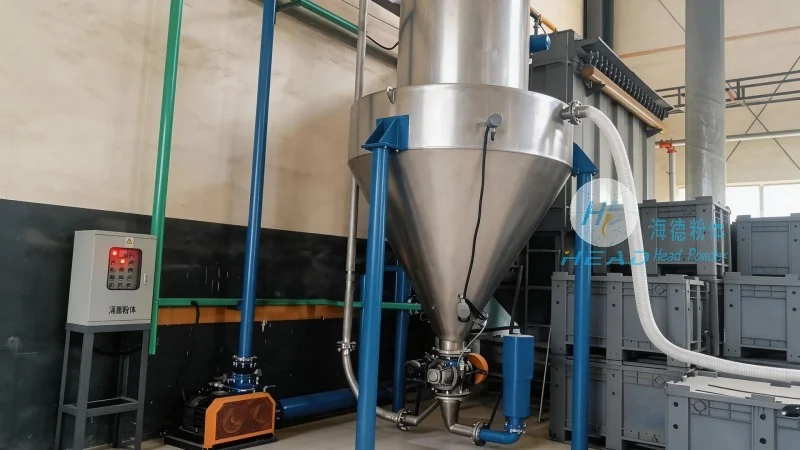
Overview of Pneumatic Conveying Systems for Coal and Stone Powder
Pneumatic conveying systems are essential for transporting bulk materials like coal and stone powder in industrial settings. These systems utilize air pressure to move materials from one location to another, eliminating the need for traditional mechanical conveyors and reducing operational costs. The system typically consists of a hopper, a blower or compressor, a pipeline network, and a discharge device. HeadPowder's expertise lies in customizing these systems to meet specific material characteristics and process requirements, ensuring optimal performance and minimal downtime.
Key Components and Their Functions
The core components of a coal and stone powder pneumatic conveying system include the material hopper, which stores the bulk material; the air supply unit, which generates the necessary air pressure; the pipeline system, which transports the material; and the control valves and filters, which regulate the flow and maintain system cleanliness. Each component plays a critical role in the overall operation, and HeadPowder ensures that all parts are of high quality and designed for durability in harsh industrial environments.
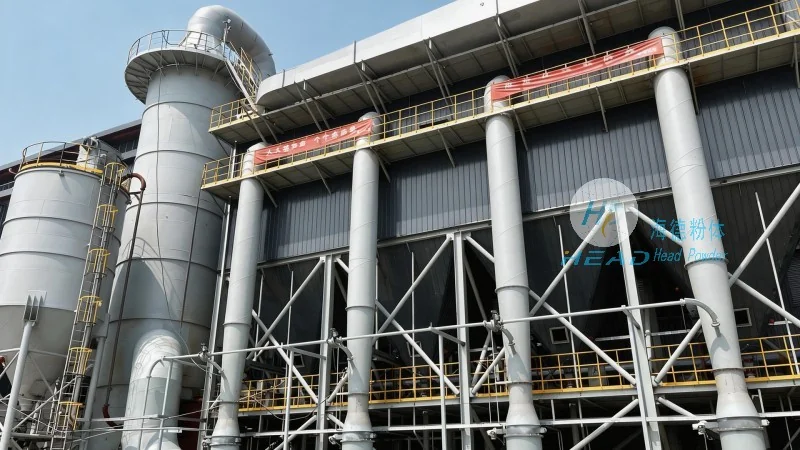
Operation Process: From Material Loading to Discharge
The operational process of a pneumatic conveying system for coal and stone powder begins with material loading into the hopper. The material is then fed into the pipeline through the air supply unit, which creates a pressure differential that propels the material forward. As the material travels through the pipeline, it is mixed with air, forming a dense or dilute phase flow depending on the system design. The system's control mechanisms adjust the air pressure and flow rate to maintain consistent material transport. Upon reaching the discharge point, the material is separated from the air and collected in the receiving container. HeadPowder's systems are equipped with advanced control technologies that enable precise regulation of the entire process, ensuring efficient material handling with minimal waste.
Working Principle: Air Pressure and Material Transport Dynamics
The working principle of a pneumatic conveying system relies on the fundamental physics of fluid dynamics and material transport. When air is introduced into the pipeline at a high velocity, it creates a pressure gradient that pulls the material particles along. The system can operate in either positive or negative pressure modes. In positive pressure systems, the air pressure is higher than the ambient pressure, pushing the material forward. In negative pressure systems, the air is drawn out of the pipeline, creating a vacuum that pulls the material. HeadPowder's systems are often designed as positive pressure systems for coal and stone powder applications due to their ability to handle abrasive materials and prevent dust emissions. The system's efficiency is determined by factors such as air velocity, material density, and pipeline length, all of which are carefully optimized by HeadPowder's engineering team to achieve the best possible performance.
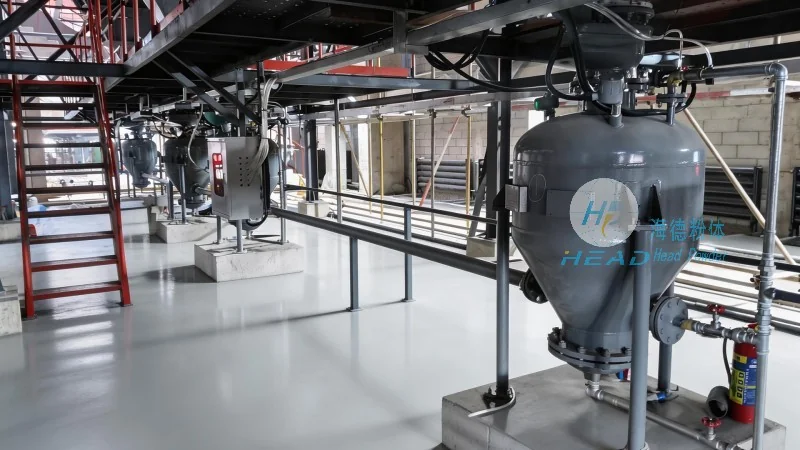
Advantages of Pneumatic Conveying Systems
Compared to traditional mechanical conveyors, pneumatic conveying systems offer several advantages for coal and stone powder handling. These include reduced material degradation due to less friction and impact, lower maintenance costs as there are fewer moving parts, and the ability to transport materials over long distances without the need for intermediate storage. Additionally, pneumatic systems are more flexible in terms of layout, allowing for easy integration into existing industrial facilities. HeadPowder's systems are designed to maximize these benefits, providing customers with reliable and cost-effective solutions for their material handling needs.
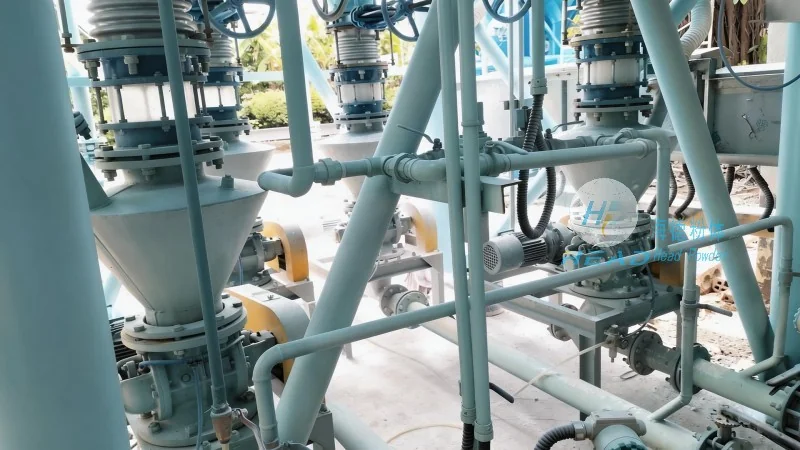
Application Examples and Case Studies
HeadPowder's coal and stone powder pneumatic conveying systems have been successfully implemented in various industries, including power generation, mining, and construction. For instance, in a power plant, the system efficiently transports coal from storage silos to the boiler, ensuring a continuous and stable fuel supply. In a mining operation, the system handles stone powder from crushing and screening processes, transporting it to processing facilities or storage areas. These applications demonstrate the versatility and effectiveness of HeadPowder's systems in meeting the demanding requirements of industrial material handling.
Conclusion and Future Developments
HeadPowder's pneumatic conveying systems for coal and stone powder materials represent a sophisticated solution for modern industrial material handling challenges. By combining advanced engineering, high-quality components, and precise control technologies, these systems offer superior performance, reliability, and efficiency. As industrial demands evolve, HeadPowder continues to innovate, developing new technologies and optimizing existing systems to meet the changing needs of the market. With a strong presence in Shandong, China, HeadPowder remains committed to providing top-tier engineering solutions that enhance operational efficiency and reduce costs for its clients.