

Operation Process and Working Principle of a Copper Concentrate Powder Pneumatic Conveying System
Efficient and reliable material handling is a critical aspect of modern mining and processing operations, particularly when dealing with fine powders such as copper concentrate. The pneumatic conveying system for copper concentrate powder stands out as a sophisticated solution that ensures seamless transport from the storage or processing stage to the final destination. This article delves into the operation process and working principle of such a system, highlighting the technical expertise and engineering capabilities of Shandong HeadPowder Engineering Co., Ltd., a leading provider in the field.
Introduction to Pneumatic Conveying Systems for Copper Concentrate Powder
Pneumatic conveying systems utilize the power of compressed air or vacuum to transport bulk materials like copper concentrate powder through a network of pipes. This method offers numerous advantages over traditional mechanical conveying, including reduced equipment wear, lower maintenance costs, and the ability to handle materials in a dust-free environment. The system is particularly suitable for copper concentrate, which is a fine, abrasive powder that requires gentle handling to prevent degradation and loss of quality.
Company Overview: Shandong HeadPowder Engineering Co., Ltd.
HeadPowder, the brand under Shandong HeadPowder Engineering Co., Ltd., specializes in the design, manufacturing, and installation of advanced material handling solutions. With a strong presence in China, particularly in Shandong, the company has built a reputation for delivering high-quality pneumatic conveying systems tailored to the specific needs of the mining and metallurgical industries. The company’s headquarters and primary operations are located in Shandong, China, where it leverages local expertise and resources to support its global clientele.
The Operation Process of the Copper Concentrate Powder Pneumatic Conveying System
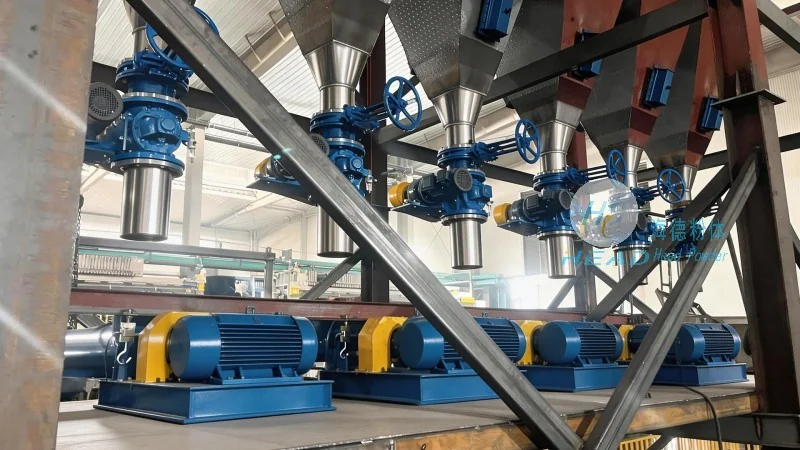
The operation of a copper concentrate powder pneumatic conveying system involves several key stages, each designed to ensure optimal performance and material integrity. The process begins with the loading of the copper concentrate powder into the system's feeding hopper. The feeding hopper is equipped with a rotary valve or a screw feeder that controls the flow rate of the material into the system. This controlled feeding mechanism prevents overloading and ensures a steady supply of powder to the conveying line.
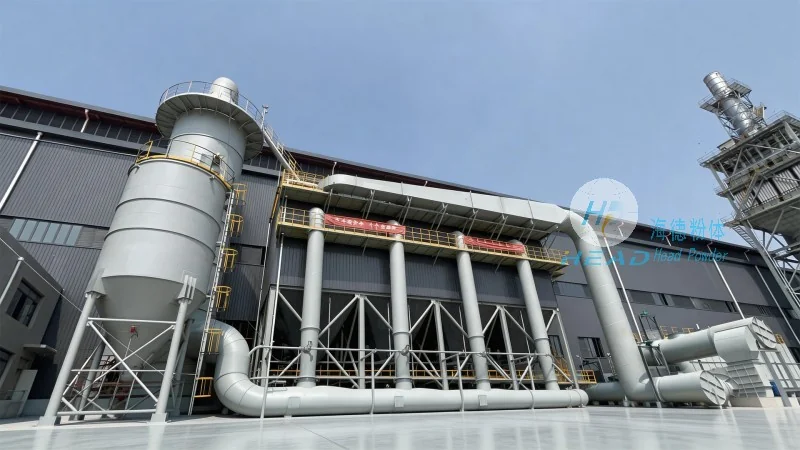
Once the powder is fed into the system, it is introduced into the conveying pipeline through a venturi or a pressure feeder. The compressed air, typically supplied by a high-pressure blower or a vacuum pump, is introduced at the inlet of the pipeline. The air and powder mixture travels through the pipeline at high velocity, maintaining the powder in a suspended state. The pipeline is designed with appropriate bends and fittings to guide the material to the desired destination, such as a storage silo, a processing unit, or a loading facility.
At the receiving end of the pipeline, a separation unit is used to separate the powder from the air. This unit, often a cyclone separator or a bag filter, captures the copper concentrate powder and returns it to the system or to a storage container. The separated air is then discharged to the atmosphere or recirculated, depending on the system design. The entire process is automated, with sensors and control systems monitoring the flow rate, pressure, and other parameters to maintain consistent performance.
The Working Principle of the System
The core working principle of a pneumatic conveying system for copper concentrate powder is based on the interaction between the material and the air stream. The system operates under either positive pressure (pressure conveying) or negative pressure (vacuum conveying), depending on the application requirements. In pressure conveying, a high-pressure blower generates the necessary air pressure to push the powder through the pipeline. The air velocity is maintained above the material's terminal velocity to keep the powder suspended and prevent it from settling or clogging the pipeline.
In vacuum conveying, a vacuum pump creates a negative pressure in the pipeline, drawing the powder from the source into the system. This method is particularly useful for long-distance or vertical transport, as it can handle materials over significant heights and distances without the need for complex equipment. The system's design, including the size of the pipeline, the air velocity, and the material feed rate, is carefully calculated to ensure efficient and reliable operation.
Key Components and Their Functions
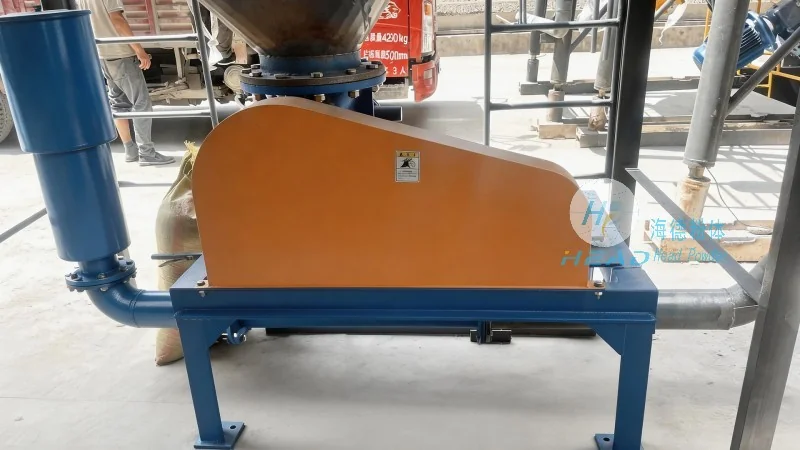
A copper concentrate powder pneumatic conveying system consists of several critical components, each playing a vital role in the overall operation. The main components include the feeding hopper, the conveying pipeline, the separation unit, the air supply system (blower or vacuum pump), and the control system. The feeding hopper ensures a consistent and controlled feed of the powder, while the conveying pipeline provides the path for the material and air mixture. The separation unit is crucial for recovering the powder and maintaining the air quality. The air supply system generates the necessary pressure or vacuum, and the control system monitors and adjusts the system parameters to optimize performance.
Advantages and Applications
The pneumatic conveying system for copper concentrate powder offers several advantages that make it an ideal choice for industrial applications. These include the ability to handle fine and abrasive materials without causing wear or degradation, the reduction in dust emissions and environmental impact, and the flexibility to transport materials over long distances or vertical heights. The system is widely used in copper mining and processing plants, where it is employed to transport copper concentrate from the grinding and classification stages to the flotation or smelting units. It is also used in other industries that handle fine powders, such as chemical and pharmaceutical manufacturing.
Conclusion
Shandong HeadPowder Engineering Co., Ltd. provides comprehensive solutions for copper concentrate powder pneumatic conveying systems, combining advanced technology with expert engineering. The company's systems are designed to meet the specific requirements of each client, ensuring efficient and reliable material handling. With its headquarters in Shandong, China, HeadPowder continues to be a leader in the material handling industry, delivering high-quality solutions that enhance productivity and operational efficiency for its clients worldwide.