For industrial applications involving the handling of gypsum particles, efficient and reliable material transport is crucial. The pneumatic conveying system designed for gypsum particles offers a sophisticated solution that ensures smooth operation and optimal performance in material handling processes. This article delves into the operation process and working principle of such a system, highlighting its key components, operational steps, and the underlying technology that enables effective gypsum particle transport.
Introduction to Gypsum Particle Pneumatic Conveying Systems
Gypsum, a widely used mineral in construction and industrial applications, is often processed in the form of fine particles. Transporting these particles from one location to another traditionally involves complex and labor-intensive methods. However, pneumatic conveying systems provide a modern, efficient alternative that minimizes downtime and operational costs. The system from Shandong HeadPowder Engineering Co., Ltd. (headpowder) is engineered to handle gypsum particles with precision, ensuring consistent performance across various industrial settings.
Key Components of the Pneumatic Conveying System
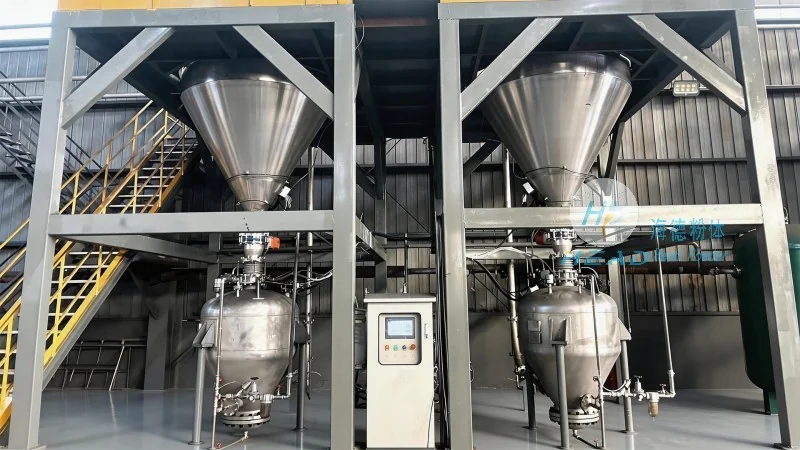
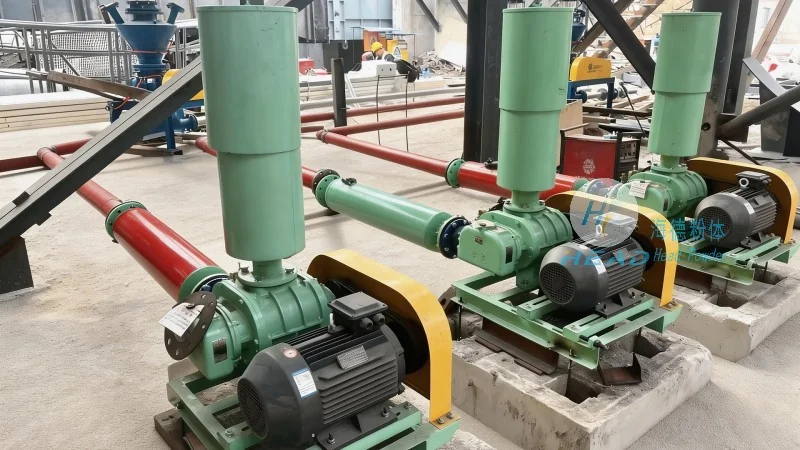
The gypsum particle pneumatic conveying system comprises several critical components that work in tandem to facilitate material transport. These include the hopper for material storage, the conveyor line (often a flexible or rigid tube), the air compressor or blower to generate the conveying air, and the control system for regulating pressure and flow. Each component plays a vital role in maintaining the system's efficiency and reliability. The hopper is designed to hold a sufficient quantity of gypsum particles, ensuring a steady supply to the conveyor line. The air compressor provides the necessary pressure to move the particles through the system, while the control system monitors and adjusts parameters to prevent blockages or inefficiencies.
Working Principle of the Gypsum Particle Pneumatic Conveying System
The core of the system's operation lies in the principle of pneumatic transport, where particles are suspended and transported by a stream of air. In the case of gypsum particles, the system uses a positive pressure or negative pressure (or a combination of both) to move the material. The process begins with the gypsum particles being fed into the hopper. As the air compressor operates, it generates a high-pressure air stream that is introduced into the conveyor line. The air flow creates a low-pressure zone within the line, which draws the gypsum particles into the air stream. The particles are then carried along the conveyor line to the destination point, such as a storage silo or processing unit. The system's design ensures that the particles remain suspended in the air, preventing clogging and ensuring smooth transport.
Operation Process: Step-by-Step Guide
The operation of the gypsum particle pneumatic conveying system follows a systematic process to ensure optimal performance. The steps are as follows:
1. System Preparation: Before starting, the system is checked for any blockages or leaks. The hopper is filled with gypsum particles, and the air compressor is started to build up pressure. The control system is set to the appropriate parameters for the desired flow rate and pressure.
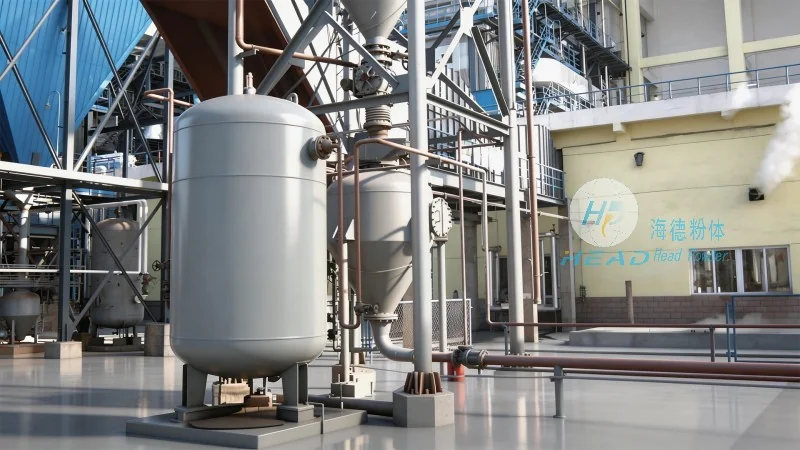
2. Material Feeding: The gypsum particles are fed from the hopper into the conveyor line. The air flow from the compressor pulls the particles into the line, initiating the transport process.
3. Conveying Phase: The particles are carried along the conveyor line by the air stream. The system monitors the flow rate and pressure to ensure consistent transport. If any issues arise, such as a blockage, the control system automatically adjusts the air pressure or flow to resolve the problem.
4. Destination Delivery: The gypsum particles reach the destination point, where they are discharged into the receiving container. The system continues to operate until the hopper is empty or the desired quantity has been transported.
5. System Shutdown: After the transport is complete, the air compressor is turned off, and the system is allowed to cool down. The hopper is then emptied, and the system is prepared for the next cycle.
Advantages of the Gypsum Particle Pneumatic Conveying System
The pneumatic conveying system for gypsum particles offers several advantages over traditional transport methods. These include:
- Efficiency: The system minimizes material loss and downtime, ensuring high throughput rates.
- Reliability: The design reduces the risk of blockages and ensures consistent performance.
- Flexibility: The system can be adapted to various industrial applications, accommodating different particle sizes and flow rates.
- Low Maintenance: The components are designed for durability, reducing the need for frequent repairs.
Conclusion
The gypsum particle pneumatic conveying system from Shandong HeadPowder Engineering Co., Ltd. represents a cutting-edge solution for efficient material handling in industrial applications. By understanding the operation process and working principle, users can appreciate the system's reliability and effectiveness. With its advanced design and components, the system ensures smooth transport of gypsum particles, contributing to improved productivity and reduced operational costs. For industries relying on gypsum processing, this system is a valuable asset that enhances overall operational efficiency.




