When it comes to transporting lightweight aggregates, selecting the right conveying method is crucial for efficiency, cost-effectiveness, and operational reliability. Lightweight aggregates, such as expanded clay, perlite, and vermiculite, are widely used in construction, insulation, and other industrial applications due to their low density and unique properties. However, their handling requires specialized equipment and techniques to ensure smooth and safe transport. This article explores common lightweight aggregate conveying methods, with a focus on air-driven (pneumatic) conveying systems, which have become a preferred choice for many industries.
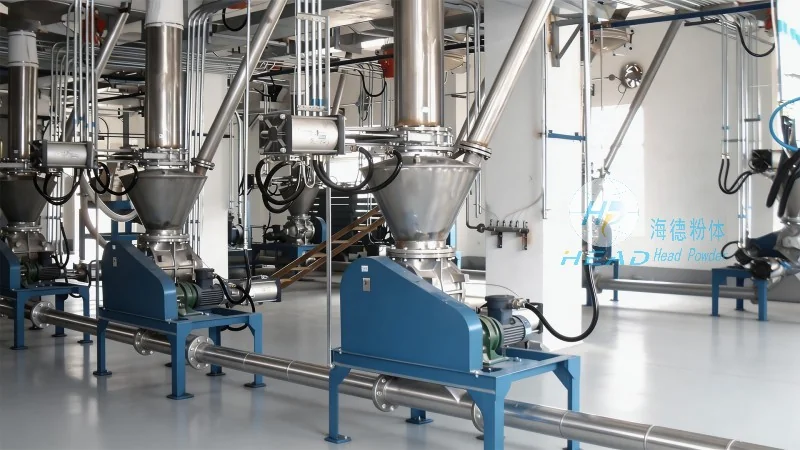
Overview of Lightweight Aggregate Conveying Methods
Lightweight aggregates are typically transported using several methods, each with its own advantages and limitations. The primary options include bulk material handling systems like belt conveyors, screw conveyors, and pneumatic (air) conveying systems. Belt conveyors are widely used for horizontal and slight incline transport but may not be suitable for vertical lifts or long distances due to friction and material degradation. Screw conveyors are effective for moderate distances and vertical transport but can cause material compaction and wear on the screw and housing. In contrast, air-driven conveying systems offer flexibility, high capacity, and the ability to transport materials over long distances and vertical heights without the need for complex infrastructure.
Introduction to Air-Driven Conveying Systems
Air-driven (pneumatic) conveying systems use compressed air to move lightweight aggregates through a pipeline network. These systems are categorized into two main types: positive pressure and negative pressure (or vacuum) systems. Positive pressure systems blow air and material through the pipeline, while negative pressure systems draw material into the pipeline using a vacuum. Both types are effective for transporting lightweight aggregates, but the choice depends on factors such as material characteristics, distance, and system complexity.
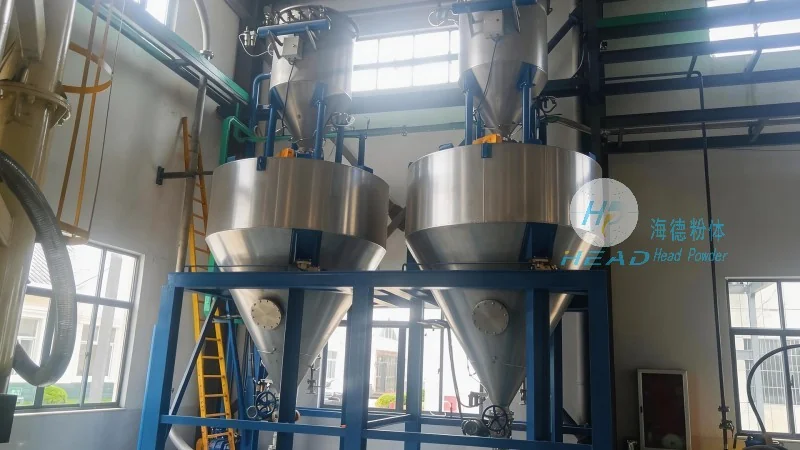
Key Components of Air-Driven Conveying Systems
The core components of an air-driven conveying system include a blower or compressor, a hopper or feeder to introduce the material, a pipeline network, and a receiver or discharge unit. The blower provides the necessary air pressure to move the material, while the feeder ensures a consistent flow rate. The pipeline network is typically made of stainless steel or other corrosion-resistant materials to prevent material degradation and system blockages. The receiver is designed to collect the material at the destination, often with a dust collection system to maintain air quality and prevent contamination.
Advantages of Air-Driven Conveying for Lightweight Aggregates
There are several key advantages of using air-driven conveying systems for lightweight aggregates. First, they offer high capacity and flexibility, allowing for the transport of large volumes over long distances and vertical heights. Second, they are gentle on the material, minimizing degradation and preserving the aggregate's properties. Third, they can be integrated with other processing equipment, such as mixers and dryers, to create a continuous production line. Fourth, they require less maintenance compared to mechanical systems like belt or screw conveyors, reducing operational costs. Finally, air-driven systems are energy-efficient, as they use compressed air, which can be generated on-site using energy sources like electricity or natural gas.
Applications of Air-Driven Conveying in the Industry
Air-driven conveying systems are widely used in various industries that handle lightweight aggregates. In the construction industry, they are used to transport expanded clay and perlite for insulation applications, as well as lightweight concrete aggregates for building projects. In the agricultural sector, they are used to move vermiculite and other lightweight materials for soil amendment and horticulture. In the chemical industry, they are used to transport lightweight fillers and additives for manufacturing processes. Additionally, they are used in the food and pharmaceutical industries for transporting lightweight powders and granules, where hygiene and material purity are critical.
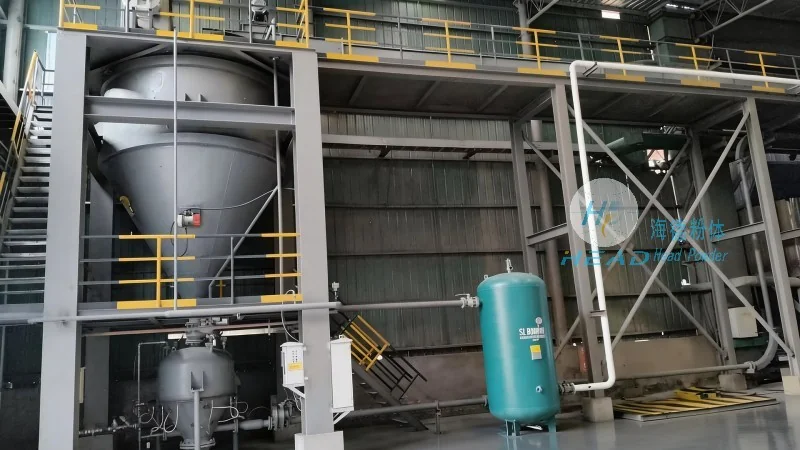
Considerations for Implementing Air-Driven Conveying Systems
When implementing an air-driven conveying system for lightweight aggregates, several factors must be considered to ensure optimal performance. First, the material characteristics, such as particle size, density, and moisture content, must be evaluated to determine the appropriate system design. Second, the distance and elevation changes between the source and destination must be calculated to select the right blower capacity and pipeline diameter. Third, the system layout must be designed to minimize pressure losses and prevent blockages, which can be caused by material buildup or air leaks. Fourth, the system must be equipped with proper dust collection and filtration to comply with environmental regulations and maintain air quality. Finally, regular maintenance and monitoring are essential to ensure the system operates efficiently and reliably over time.
Conclusion
Lightweight aggregates are essential materials in many industries, and their efficient transport is critical for operational success. Air-driven (pneumatic) conveying systems offer a versatile and effective solution for transporting these materials, with advantages including high capacity, flexibility, and gentle handling. By understanding the key components, advantages, and considerations of air-driven conveying systems, industries can select the right equipment to meet their specific needs and improve overall productivity. As a leading provider of lightweight aggregate handling solutions, Shandong HeadPowder Engineering Co., Ltd. specializes in designing and manufacturing custom air-driven conveying systems tailored to the unique requirements of each client. With years of experience and a commitment to quality, HeadPowder provides reliable and efficient solutions for the transportation of lightweight aggregates, helping businesses achieve their operational goals and maintain a competitive edge in the market.




