When it comes to transporting sawdust and husk materials, selecting the right conveying method is crucial for efficiency and operational success. These materials, often generated in woodworking, agricultural, or biomass processing industries, require reliable systems that can handle their unique characteristics. From traditional mechanical systems to advanced pneumatic solutions, the options available can significantly impact productivity, cost, and environmental compliance. This article explores common conveying methods for sawdust and husk, with a focus on the benefits and applications of pneumatic conveying systems, as offered by Shandong HeadPowder Engineering Co., Ltd., a leading provider in the field.
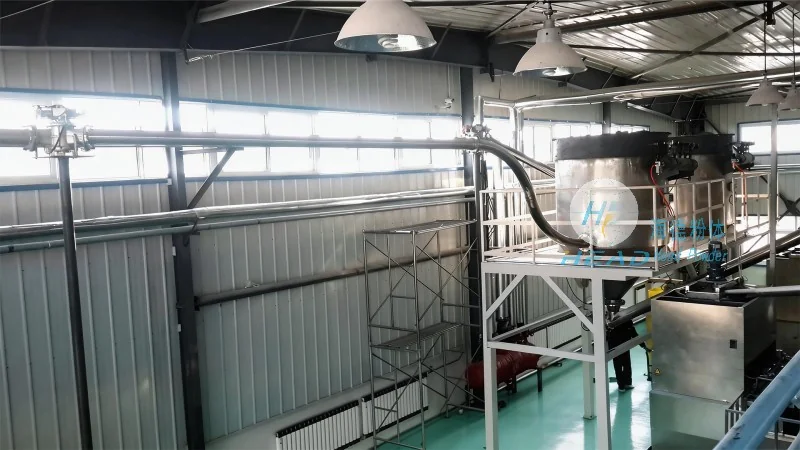
Understanding the Unique Challenges of Sawdust and Husk Conveying
Sawdust and husk are typically lightweight, abrasive, and prone to dust generation. These properties make conventional bulk material handling challenging. Traditional methods like belt conveyors or screw conveyors may struggle with material buildup, clogging, or excessive wear due to the abrasive nature of these materials. Additionally, the fine particles can lead to air pollution if not managed properly, requiring dust control measures that add complexity and cost to the overall operation. Therefore, modern conveying solutions must address these challenges while ensuring high throughput and minimal maintenance.
Common Conveying Methods for Sawdust and Husk
Several conventional methods are used for transporting sawdust and husk, each with its own advantages and limitations. Mechanical conveyors, such as belt conveyors and screw conveyors, are widely employed due to their simplicity and cost-effectiveness. Belt conveyors use a continuous belt to move materials horizontally or at a slight incline, while screw conveyors utilize a rotating screw to push material forward. These systems are suitable for short to medium distances and moderate capacities. However, they often face issues with material handling, especially when dealing with fine, dusty particles, as the material can stick to the conveyor surfaces or cause blockages.
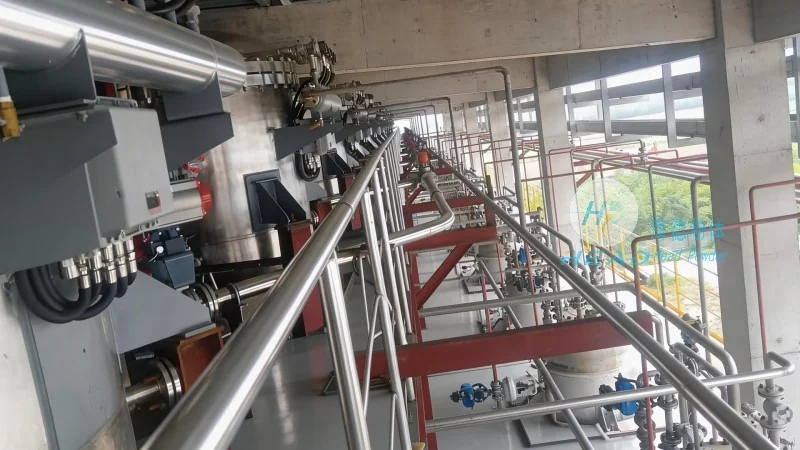
Another common method is the use of bucket elevators, which are ideal for vertical or steep incline transport. These systems consist of a series of buckets attached to a chain or belt that moves vertically, lifting the material from a lower to a higher level. While effective for vertical transport, bucket elevators can be less efficient for horizontal or long-distance conveying and may require more maintenance due to the mechanical components involved.
Pneumatic Conveying Systems: A Superior Solution for Sawdust and Husk
Pneumatic conveying systems, also known as air conveying systems, offer a more efficient and flexible approach to handling sawdust and husk. These systems use compressed air to transport materials through a pipeline, eliminating the need for mechanical components that are prone to wear and clogging. There are two main types of pneumatic conveying: pressure and vacuum systems. Pressure systems use compressed air to push material through the pipeline, while vacuum systems use a vacuum to draw material into the system. Both types are suitable for sawdust and husk, but the choice depends on the distance, capacity, and material characteristics.
One of the key advantages of pneumatic conveying is its ability to handle fine, dusty materials without the risk of blockages or material buildup. The air flow ensures that the material is continuously moved through the pipeline, reducing the likelihood of clogging and minimizing maintenance requirements. Additionally, pneumatic systems can transport materials over long distances with minimal loss, making them ideal for large-scale operations. They also offer better dust control compared to mechanical systems, as the material is contained within the pipeline, reducing airborne dust and improving workplace safety.
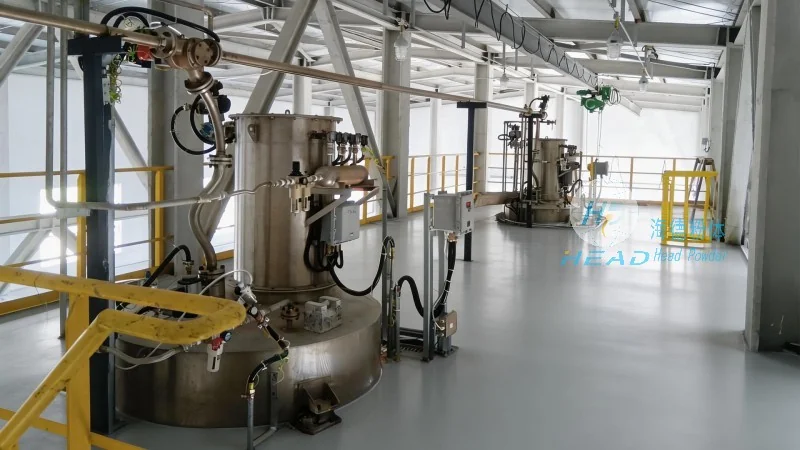
HeadPowder Engineering's Pneumatic Conveying Solutions
Shandong HeadPowder Engineering Co., Ltd. specializes in designing and manufacturing high-quality pneumatic conveying systems tailored to the specific needs of sawdust and husk applications. With years of experience in the industry, HeadPowder has developed solutions that address the unique challenges of these materials, ensuring reliable and efficient transport. The company's systems are engineered to handle a wide range of particle sizes and moisture content, providing flexibility for various processing requirements. HeadPowder's expertise lies in customizing systems to meet specific operational parameters, such as capacity, distance, and material characteristics, ensuring optimal performance and cost-effectiveness.
HeadPowder's pneumatic conveying systems are built with durable materials to withstand the abrasive nature of sawdust and husk, reducing wear and extending the lifespan of the equipment. The company uses advanced design techniques and quality control processes to ensure that each system meets the highest standards of performance and reliability. Additionally, HeadPowder provides comprehensive support, including installation, commissioning, and maintenance services, to ensure that clients can maximize the efficiency and longevity of their conveying systems.




