Aluminum nitride (AlN) is a widely used ceramic material in various high-tech industries, including electronics, aerospace, and semiconductor manufacturing. Efficient material handling is crucial for maintaining product quality and operational efficiency. Pneumatic conveying offers a reliable method for transporting AlN powder, and there are several effective solutions tailored to different operational needs. This article explores several practical approaches for the pneumatic conveying of aluminum nitride, focusing on the technical aspects and considerations for each method.
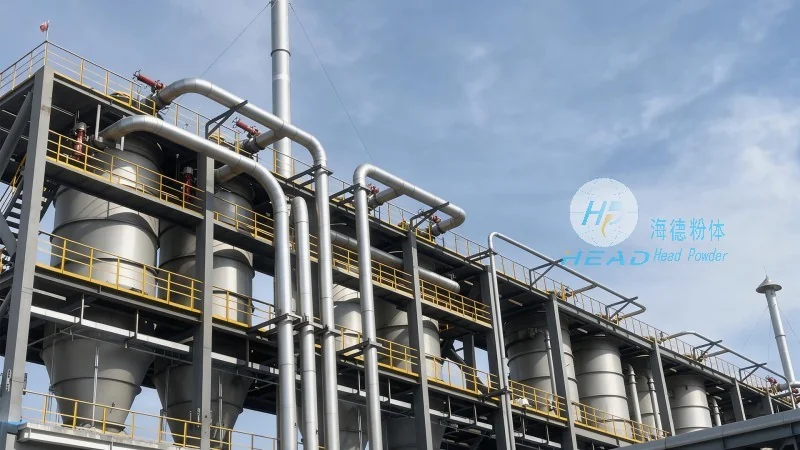
Company Profile: Shandong HeadPowder Engineering Co., Ltd.
As a leading provider in the powder processing industry, Shandong HeadPowder Engineering Co., Ltd. specializes in engineering solutions for material handling and processing. With a strong commitment to innovation and quality, the company offers tailored services to meet the specific requirements of clients in the AlN and other advanced ceramic sectors. HeadPowder's expertise lies in designing and implementing efficient pneumatic conveying systems that ensure the safe and effective transport of sensitive materials like aluminum nitride.
Option 1: Dilute Phase Pneumatic Conveying
Dilute phase pneumatic conveying is a common method for transporting aluminum nitride powder over moderate distances. This approach involves using high-velocity air to suspend the powder particles in a dilute mixture, which is then carried through a pipeline to the destination. The system typically includes a feeding device, a conveying line, and a collection unit. For aluminum nitride, this method is suitable for applications where the material needs to be moved from a storage silo to a processing plant or between different production stages. The key advantages include low pressure requirements, relatively low capital cost, and the ability to handle relatively long distances. However, it may require higher air volumes and can be less efficient for very fine or cohesive powders, which are characteristic of AlN.
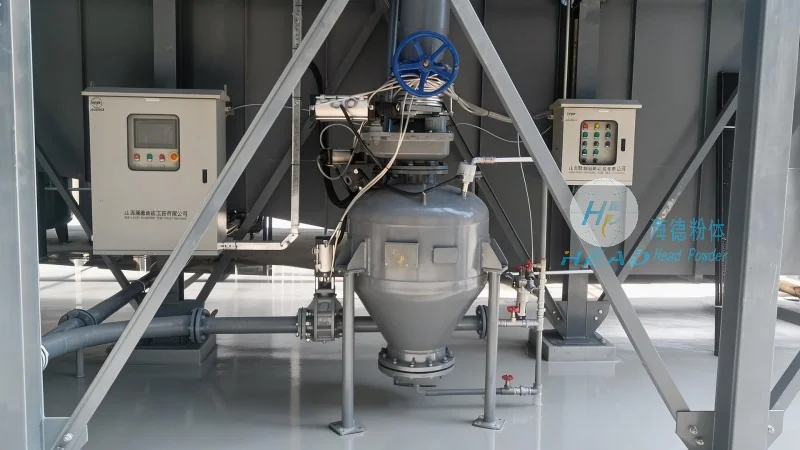
Option 2: Dense Phase Pneumatic Conveying
Dense phase pneumatic conveying, also known as low velocity conveying, is an alternative that operates at lower air velocities, resulting in a higher powder-to-air ratio. This method is particularly effective for handling fine or cohesive aluminum nitride powders, as it reduces particle degradation and improves material integrity. The system uses a positive displacement blower or compressor to generate pressure, which pushes the powder through the pipeline in a dense slug. This approach minimizes the risk of particle attrition and ensures a more consistent flow. Dense phase conveying is ideal for applications requiring precise control over the material flow rate and for transporting AlN to locations where dilute phase systems might be less efficient, such as in high-purity manufacturing environments.
Option 3: Hybrid Pneumatic Conveying Systems
Hybrid systems combine elements of both dilute and dense phase conveying to offer a flexible solution for aluminum nitride transport. These systems may start with a dilute phase to transport the material over a longer distance and then transition to a dense phase for the final delivery to a processing unit. This approach allows for efficient long-distance transport while maintaining the material's quality during the final stages. Hybrid systems are particularly useful when dealing with varying material characteristics or when the conveying distance and required flow rate change. They provide a balanced solution that addresses the limitations of single-phase systems, making them a popular choice in industrial settings where flexibility and reliability are paramount.
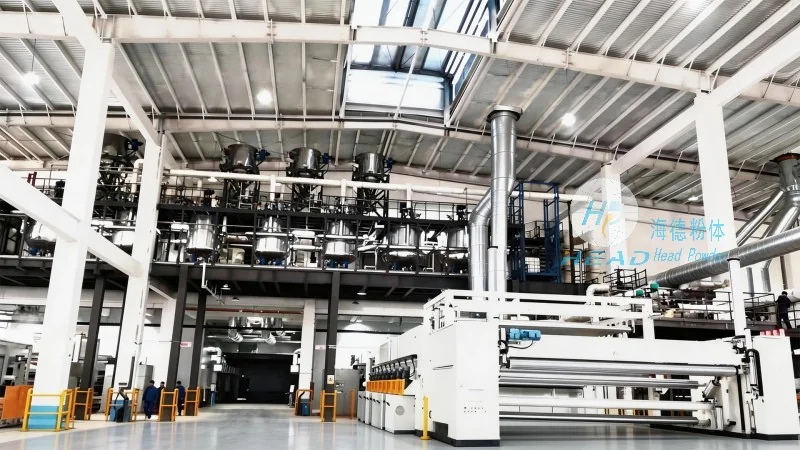
Key Considerations for Pneumatic Conveying of Aluminum Nitride
When implementing pneumatic conveying solutions for aluminum nitride, several factors must be considered to ensure optimal performance and material integrity. First, the particle size and flow properties of the AlN powder are critical. Fine particles are more prone to agglomeration and require systems designed to handle cohesive materials. The conveying system must be equipped with appropriate feeding mechanisms, such as rotary valves or screw feeders, to prevent blockages and ensure consistent material flow. Additionally, the material's chemical and thermal stability must be considered, as AlN can be sensitive to moisture and temperature changes. Proper sealing and moisture control are essential to maintain the purity of the powder. The choice of pipeline material is also important; stainless steel or special alloys are often used to prevent corrosion and contamination. Finally, the system's energy efficiency and operational costs should be evaluated, as pneumatic conveying can be energy-intensive. By addressing these considerations, companies can select the most suitable pneumatic conveying method for their aluminum nitride handling needs.
Conclusion
Efficient pneumatic conveying is essential for the successful handling of aluminum nitride in industrial applications. The options discussed—dilute phase, dense phase, and hybrid systems—each offer unique advantages and are suitable for different operational scenarios. By understanding the material's properties and the specific requirements of the application, companies can choose the most effective conveying solution. Shandong HeadPowder Engineering Co., Ltd. provides expert guidance and tailored solutions to help clients implement reliable and efficient pneumatic conveying systems for aluminum nitride, ensuring high product quality and operational efficiency.




