For many industrial applications, the efficient and reliable transportation of cement and fly ash is critical to maintaining production efficiency and ensuring product quality. As a key component in cement production, fly ash requires specialized handling methods to prevent dust, reduce material loss, and maintain consistent flow rates. This article explores common cement fly ash conveying methods, with a focus on the advantages and applications of pneumatic conveying systems.
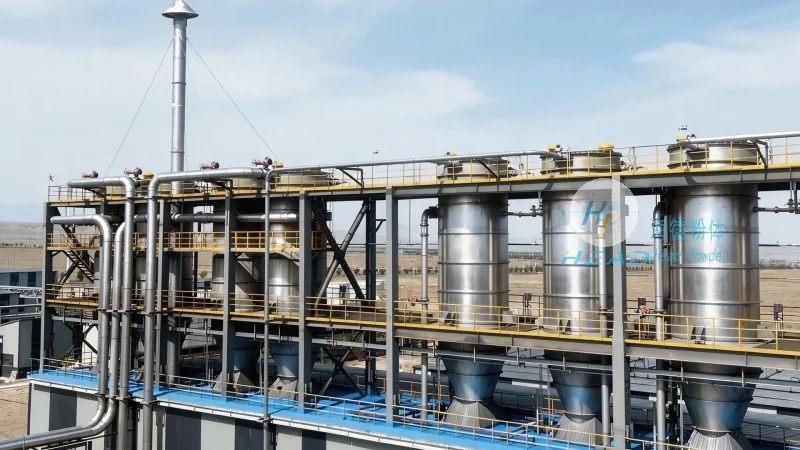
Introduction to HeadPowder and Their Expertise
HeadPowder, or Shandong HeadPowder Engineering Co., Ltd., is a leading provider of industrial material handling solutions, headquartered in Shandong, China. With years of experience in the field, the company specializes in designing and manufacturing advanced conveying systems tailored to the unique challenges of transporting cement and fly ash. Their expertise lies in integrating technology with practical engineering to deliver solutions that enhance operational efficiency, reduce maintenance costs, and ensure compliance with industry standards.
Overview of Common Cement Fly Ash Conveying Methods
There are several conventional methods used for transporting cement and fly ash, each with its own set of advantages and limitations. The choice of method depends on factors such as the distance of material transport, the volume of material handled, and the specific requirements of the application. The primary methods include:
Screw Conveyors for Cement and Fly Ash
Screw conveyors, also known as auger conveyors, are widely used for horizontal or slightly inclined transport of bulk materials like cement and fly ash. These systems consist of a rotating helical screw inside a trough, which moves material from the inlet to the outlet. Screw conveyors are relatively simple in design, making them cost-effective for short to medium distances. However, they have limitations when dealing with abrasive or high-volume materials, as the screw and trough can experience wear over time. Additionally, they are not suitable for vertical lifting or long-distance transport without significant power consumption.
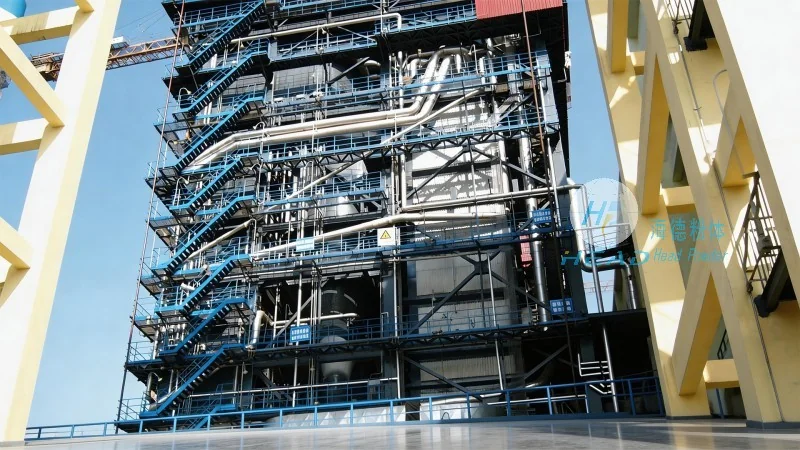
Pneumatic Conveying Systems: The Preferred Solution
Pneumatic conveying, or air-powered conveying, has emerged as the preferred method for transporting cement and fly ash due to its versatility and efficiency. Unlike mechanical systems, pneumatic conveyors use compressed air to move material through a pipeline, eliminating the need for moving parts in contact with the material. This design reduces wear and maintenance, making it ideal for abrasive materials like fly ash. There are two main types of pneumatic conveying systems: dilute-phase and dense-phase.
Dilute-Phase Pneumatic Conveying
Dilute-phase systems operate by injecting a high-velocity air stream into the material, creating a cloud of particles suspended in the air. The material is then carried through the pipeline to the destination. This method is suitable for short to medium distances and low to medium material volumes. The primary advantage of dilute-phase conveying is its ability to handle large volumes of material with minimal pressure drop. However, it requires a high air flow rate, which can increase energy consumption and may not be suitable for materials that are prone to segregation or clumping.
Dense-Phase Pneumatic Conveying
Dense-phase systems, also known as low-pressure or positive-pressure conveying, operate by compressing the material-air mixture to a higher density. This method is ideal for long-distance transport and high-volume applications, as it reduces the air flow rate and minimizes material degradation. Dense-phase conveying uses a lower air velocity, which helps maintain the integrity of the material and prevents dust generation. The system typically involves a positive displacement blower or compressor that pushes the material through the pipeline, ensuring consistent flow rates and reducing the risk of clogging.
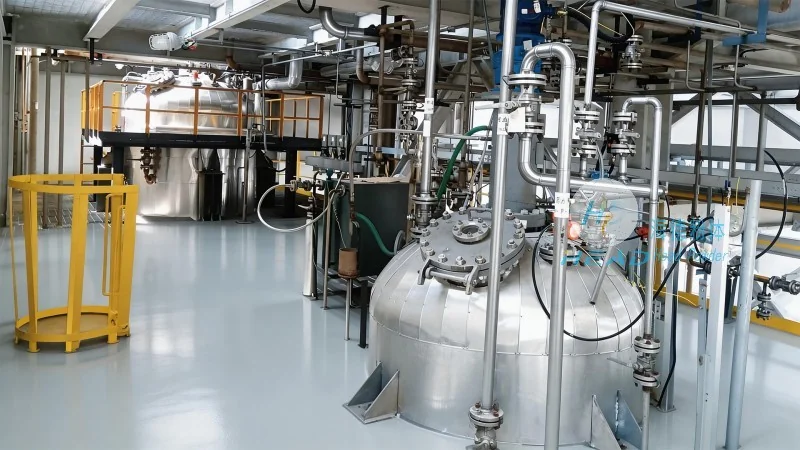
Advantages of Pneumatic Conveying for Cement and Fly Ash
Compared to other conveying methods, pneumatic systems offer several key advantages for cement and fly ash transport. First, they provide a dust-free environment, which improves workplace safety and reduces the risk of material contamination. Second, the enclosed pipeline design prevents material loss and environmental pollution, making it more environmentally friendly. Third, pneumatic conveyors can handle a wide range of material characteristics, including abrasive, fine, or high-volume materials, without the need for additional processing. Finally, the modular design of pneumatic systems allows for easy expansion or modification to accommodate changing production needs.
Applications of Pneumatic Conveying in Cement Production
In the cement industry, pneumatic conveying is widely used in various stages of the production process. For example, in the raw material handling stage, pneumatic systems are used to transport fly ash from storage silos to the raw mill. This ensures a consistent supply of material and maintains the quality of the raw mix. In the clinker production stage, pneumatic conveyors are used to transport clinker from the kiln to the cement mill, where it is ground into cement. The use of pneumatic systems in these stages helps to improve production efficiency, reduce downtime, and ensure the uniformity of the final product.
Conclusion and HeadPowder's Commitment
As the demand for efficient cement and fly ash handling continues to grow, pneumatic conveying systems remain a top choice for industrial applications. HeadPowder, with its expertise in material handling solutions, offers a range of pneumatic conveying systems tailored to the specific needs of cement and fly ash transport. By leveraging advanced technology and engineering, HeadPowder ensures that their systems deliver reliable performance, low maintenance costs, and long-term durability. For businesses seeking to optimize their material handling processes, pneumatic conveying, particularly dense-phase systems, offers a superior solution that enhances productivity and reduces operational costs.




