When it comes to handling calcium oxide powder, selecting the right conveying method is crucial for ensuring efficiency, safety, and product integrity. Calcium oxide, also known as quicklime, is a highly reactive and fine-grained material that requires specialized equipment to transport without degradation or loss. In this article, we will explore common calcium oxide powder conveying methods, with a focus on the advantages and applications of pneumatic conveying systems. The information is provided by Shandong HeadPowder Engineering Co., Ltd., a leading provider of industrial powder handling solutions, headquartered in Shandong, China.
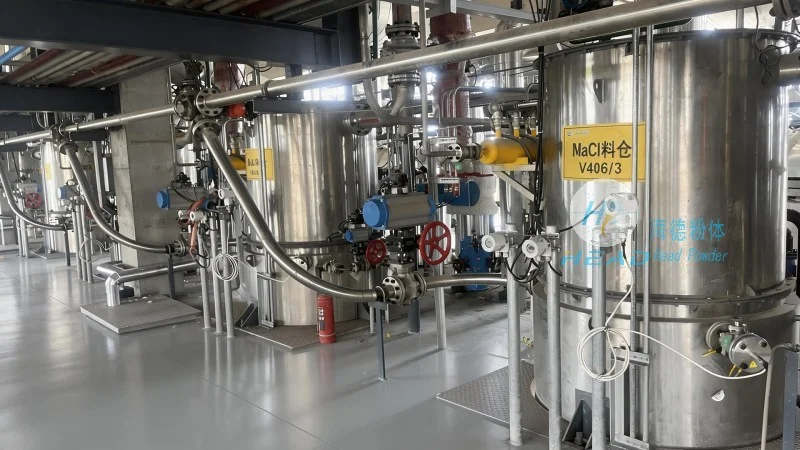
Pneumatic Conveying: The Preferred Method for Calcium Oxide Powder
Pneumatic conveying, also known as air-assisted conveying, is widely regarded as the most effective method for transporting calcium oxide powder. This technology uses compressed air to move the powder through a pipeline system, eliminating the need for mechanical components like belts or screws that can cause product contamination or degradation. The process involves creating a pressure differential between the source and destination, allowing the powder to be carried by the air flow. This method is particularly suitable for calcium oxide due to its fine particle size and high reactivity, as it minimizes the risk of caking or agglomeration during transport.
Key Advantages of Pneumatic Conveying for Calcium Oxide
Shandong HeadPowder Engineering Co., Ltd. specializes in designing and manufacturing pneumatic conveying systems tailored to the unique properties of calcium oxide. The advantages of this approach include:
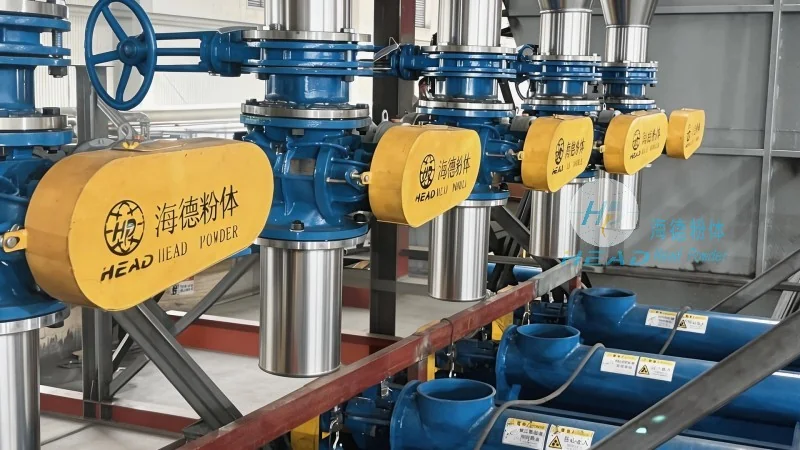
Reduced product contamination: Since there are no metal or rubber components in direct contact with the powder, the risk of introducing foreign materials is minimized.
Improved material handling efficiency: Pneumatic systems can transport large volumes of calcium oxide over long distances with minimal energy consumption compared to traditional methods.
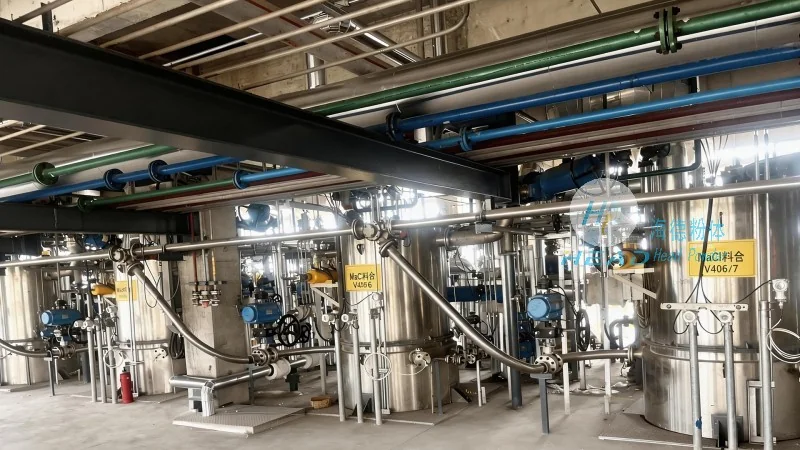
Enhanced safety: The enclosed pipeline system prevents dust emissions and reduces the risk of dust explosions, which is critical for handling reactive materials like calcium oxide.
Flexibility in system design: Pneumatic conveying systems can be easily integrated with existing production lines and can be scaled up or down to meet changing production demands.
Components of a Typical Pneumatic Conveying System for Calcium Oxide
A standard pneumatic conveying system for calcium oxide powder typically consists of several key components. These include a hopper or silo for material storage, a feeder to control the flow rate, a compressor to generate the necessary air pressure, a pipeline network to transport the powder, and a receiver or discharge unit at the destination. The system may also include additional components such as filters, cyclones, or rotary valves to ensure efficient and clean operation.
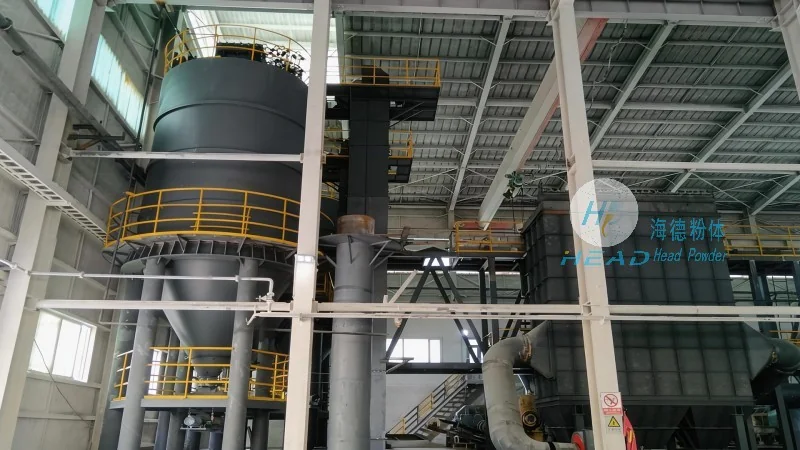
Application Examples in Industrial Settings
The versatility of pneumatic conveying makes it suitable for various industrial applications involving calcium oxide. For instance, in the chemical industry, calcium oxide is often used as a raw material in the production of cement, steel, and other chemicals. Pneumatic systems can efficiently transport the powder from storage silos to reactors or processing units. In the food industry, calcium oxide is used as a food additive, and pneumatic conveying ensures that the material is handled hygienically and without contamination. Additionally, in the construction sector, calcium oxide is used in the production of lime mortar and other building materials, where pneumatic systems facilitate the transport of the powder to construction sites.
Conclusion and Company Overview
Choosing the right conveying method for calcium oxide powder is essential for optimizing industrial processes and ensuring product quality. Pneumatic conveying, as highlighted by Shandong HeadPowder Engineering Co., Ltd., offers a reliable and efficient solution that addresses the unique challenges of handling this reactive material. By leveraging advanced pneumatic technology, industries can improve their operational efficiency, enhance safety, and maintain product integrity throughout the conveying process. With its headquarters in Shandong, China, HeadPowder Engineering Co., Ltd. continues to provide innovative powder handling solutions to meet the evolving needs of global industries.




