

What is a Coffee Pneumatic Conveying System? And Its Design Principles?
For coffee processing facilities, efficient and reliable material handling is crucial to maintaining product quality and operational efficiency. A coffee pneumatic conveying system is a specialized piece of equipment designed to transport coffee beans or ground coffee powder through a network of pipes using air pressure. This technology offers a hygienic, dust-free, and flexible solution for moving coffee products from one stage of processing to another, such as from storage to roasting, or from grinding to packaging. Understanding the components and design principles behind these systems is essential for optimizing coffee production workflows.
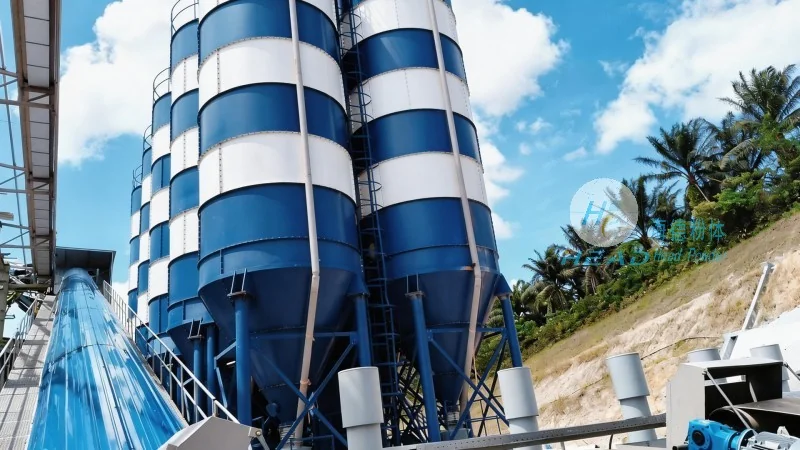
The Core Function and Working Principle
A coffee pneumatic conveying system operates by creating a flow of air within a sealed pipeline. The system typically uses either positive pressure (where air is blown into the system to push the material forward) or negative pressure (where air is drawn out to pull the material). In coffee processing, positive pressure is more common as it allows for the safe and efficient transport of fine powders like ground coffee, which can be prone to clogging or degradation if handled with mechanical conveyors. The system includes a feed hopper to introduce the coffee material, a blower or compressor to generate the air flow, and a series of pipes that guide the material to its destination. At the end of the pipeline, a separator or cyclone separates the coffee from the air, allowing the air to be recycled or vented while the coffee is collected in a container.
Key Components of a Coffee Pneumatic Conveying System
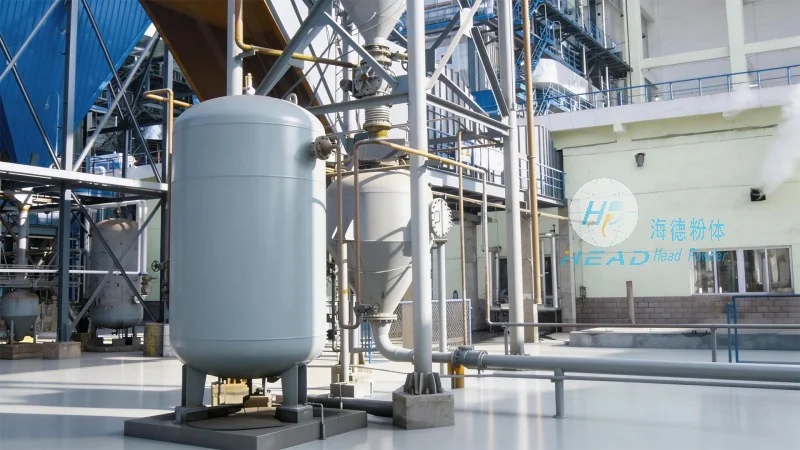
The effectiveness of a coffee pneumatic conveying system depends on several critical components, each playing a specific role in the material handling process. The feed hopper is responsible for uniformly feeding the coffee material into the system, preventing blockages and ensuring consistent flow. It often includes a rotary valve or a screw feeder to control the rate of material introduction. The blower or air compressor provides the necessary air pressure and volume to move the coffee through the pipes. The choice of blower type (e.g., centrifugal or positive displacement) depends on the specific requirements of the coffee processing line, such as the particle size and moisture content of the coffee powder. The pipeline network is made of materials like stainless steel or food-grade plastic to ensure hygiene and resistance to corrosion from coffee oils and acids. The system also includes check valves to prevent backflow and pressure relief valves to protect the equipment from overpressure. At the receiving end, a separator (such as a cyclone or bag filter) separates the coffee from the air, and a collection hopper stores the processed coffee before it moves to the next stage.
Design Principles for Efficient Coffee Handling
Designing an effective coffee pneumatic conveying system involves several key principles to ensure optimal performance, reliability, and product quality. First, the system must be designed to handle the specific characteristics of coffee, including its fine particle size, moisture content, and potential for caking or agglomeration. The air velocity within the pipes is a critical parameter; it must be high enough to prevent material settling but low enough to avoid excessive wear on the pipes and components. Typically, air velocities range from 20 to 30 meters per second for coffee powders, depending on the system configuration. The pipe diameter is also important, as larger diameters reduce pressure drop and energy consumption but require more space. The system layout should be designed to minimize bends and changes in direction, as these can cause pressure losses and increase the risk of material buildup. Additionally, the system should include cleaning mechanisms, such as purge ports or cleaning cycles, to prevent coffee residue from accumulating and affecting product quality or system performance. Material selection for components is another key design consideration, as coffee oils and acids can degrade certain materials over time. Stainless steel and food-grade plastics are commonly used for their durability and resistance to corrosion.
Application in Coffee Processing and Handling
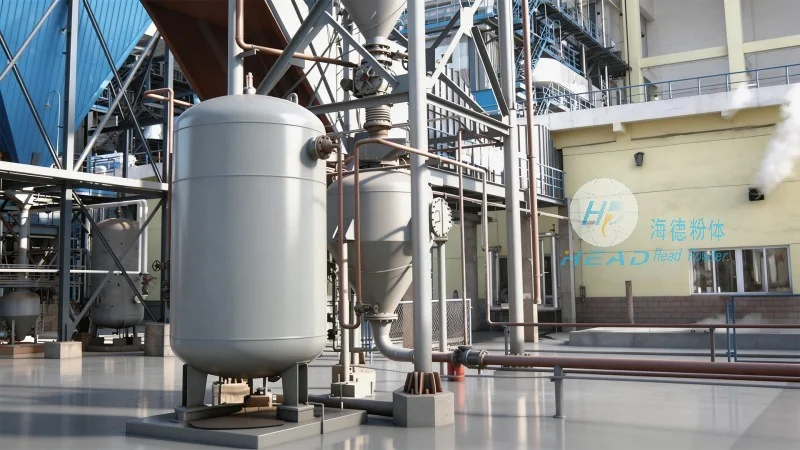
Coffee pneumatic conveying systems are widely used in various stages of coffee processing and handling. In the roasting stage, after coffee beans are roasted and cooled, they are often transferred to a grinding or milling area using a pneumatic system. This allows for a clean and efficient transfer of hot beans without the need for mechanical conveyors that could damage the beans or cause cross-contamination. In the grinding stage, the system transports ground coffee from the grinder to the packaging area, ensuring that the product remains fresh and free from dust or contamination. For coffee roasters and processors, these systems help maintain a consistent product flow, reduce labor costs associated with manual handling, and improve overall operational efficiency. Additionally, the hygienic design of pneumatic systems is particularly important in food processing, as it minimizes the risk of bacterial growth and product contamination. By integrating a coffee pneumatic conveying system into their production line, coffee manufacturers can achieve higher throughput, better product quality, and lower maintenance costs.
About Shandong HeadPowder Engineering Co., Ltd.
Shandong HeadPowder Engineering Co., Ltd., commonly known as HeadPowder, is a leading manufacturer specializing in engineering solutions for material handling and processing, including coffee pneumatic conveying systems. With a strong focus on innovation and quality, HeadPowder designs and manufactures customized systems tailored to the specific needs of coffee processing facilities. The company’s headquarters is located in Shandong, China, where it has established a comprehensive production and research facility. HeadPowder’s team of engineers and technicians work closely with clients to understand their production requirements and develop efficient, reliable, and cost-effective solutions. The company adheres to international standards for food processing equipment, ensuring that its products meet the highest hygiene and safety requirements. By leveraging advanced technology and years of industry experience, HeadPowder provides coffee manufacturers with the tools they need to optimize their operations and enhance product quality. Whether for small-scale roasters or large industrial coffee processing plants, HeadPowder’s coffee pneumatic conveying systems offer a reliable and efficient solution for handling coffee products.