

What is a Paper Sheet Pneumatic Conveying System? And What Are Its Design Principles?
For industries dealing with paper sheet materials, efficient and reliable material handling is crucial. A paper sheet pneumatic conveying system offers a solution that combines technology and engineering to transport paper sheets with precision and minimal disruption. This article explores the fundamental aspects of such systems, focusing on their design principles and the role they play in modern material handling operations. The insights provided are based on the expertise of Shandong HeadPowder Engineering Co., Ltd., a leading provider of pneumatic conveying solutions in China.
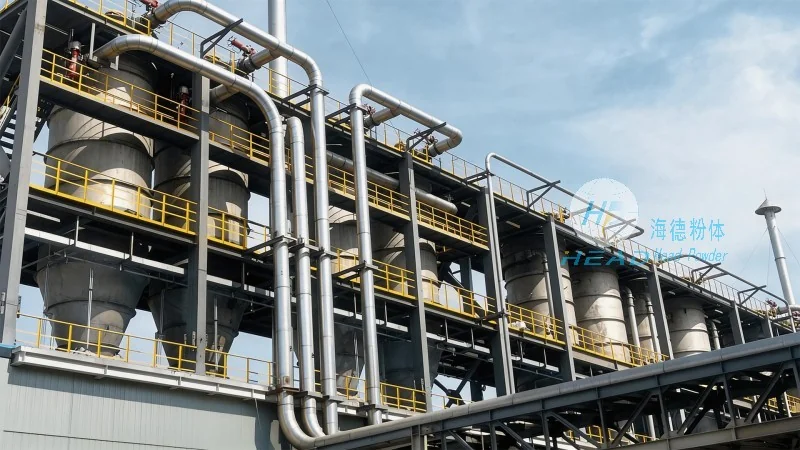
Understanding Pneumatic Conveying Technology
Pneumatic conveying systems utilize air or gas to transport solid materials, such as paper sheets, through a pipeline network. Unlike traditional mechanical systems that rely on belts or rollers, pneumatic conveyors use air pressure to move materials, which can be particularly advantageous for delicate or lightweight materials like paper sheets. The core of a pneumatic conveying system lies in its ability to control the flow of air and material, ensuring smooth and consistent transport.
Key Design Principles of Paper Sheet Pneumatic Conveying
The design of a paper sheet pneumatic conveying system involves several critical principles that ensure optimal performance. First, the system must consider the material characteristics of paper sheets, including their size, weight, and flexibility. These factors influence the choice of conveying method—such as dilute phase or dense phase transport—and the selection of appropriate equipment like airlocks, cyclones, and filters. Second, the system must maintain consistent air pressure and flow rates to prevent material degradation or blockages. This is achieved through the use of high-quality air compressors and pressure regulators that can handle the specific demands of paper sheet transport.
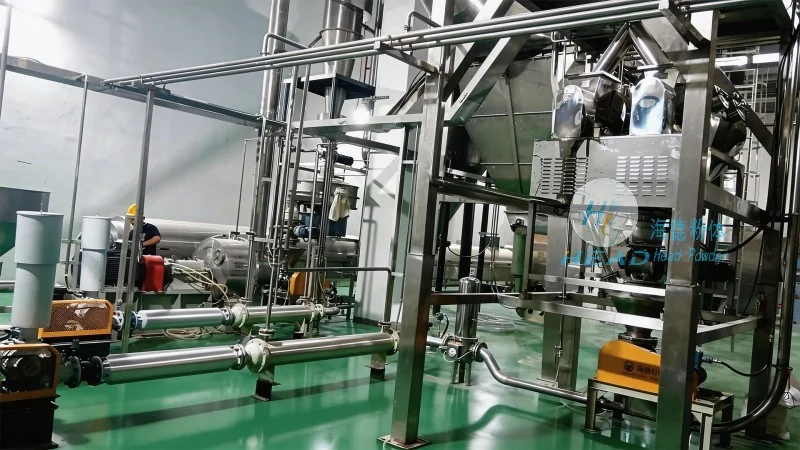
Components and Their Functions
A typical paper sheet pneumatic conveying system consists of several key components, each playing a vital role in the overall operation. The primary components include the air source (usually an industrial air compressor), the conveying line (made of durable materials like stainless steel or PVC to prevent corrosion and material contamination), and the material inlet (such as a hopper or feeder that feeds the paper sheets into the system). Additionally, the system may include airlocks to control the flow of material into and out of the conveying line, cyclones for separating air from the material, and filters to ensure clean air is returned to the compressor.
Advantages of Pneumatic Conveying for Paper Sheets
Implementing a paper sheet pneumatic conveying system offers numerous advantages over traditional material handling methods. One of the most significant benefits is the ability to transport paper sheets without physical contact, which reduces the risk of damage or contamination. This is particularly important for high-quality paper products that require careful handling. Additionally, pneumatic systems are highly flexible, allowing for changes in the layout of the conveying line without major modifications. They also offer better control over the speed and direction of material transport, which can improve overall production efficiency.
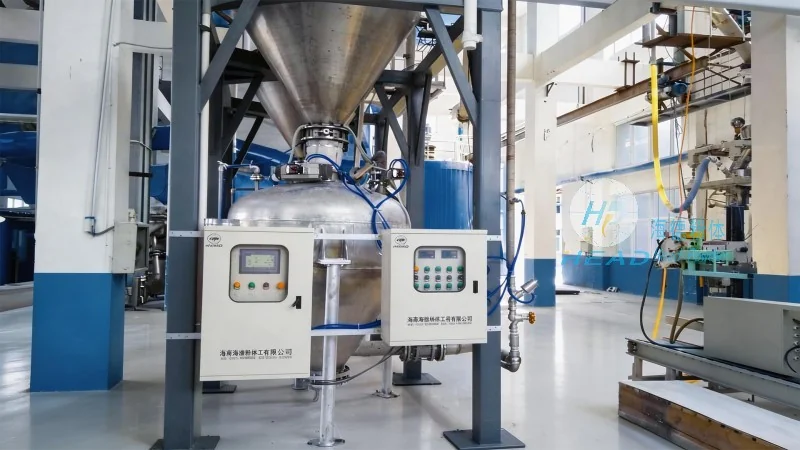
Applications in Industrial Settings
Paper sheet pneumatic conveying systems are widely used in various industrial applications, including paper mills, printing facilities, and packaging plants. In a paper mill, for example, these systems can be used to transport raw paper sheets from storage to processing equipment, or to move finished products to packaging lines. In printing facilities, pneumatic conveyors can efficiently move printed sheets from the press to storage or distribution areas. The versatility of these systems makes them suitable for a wide range of applications where paper sheet transport is required.
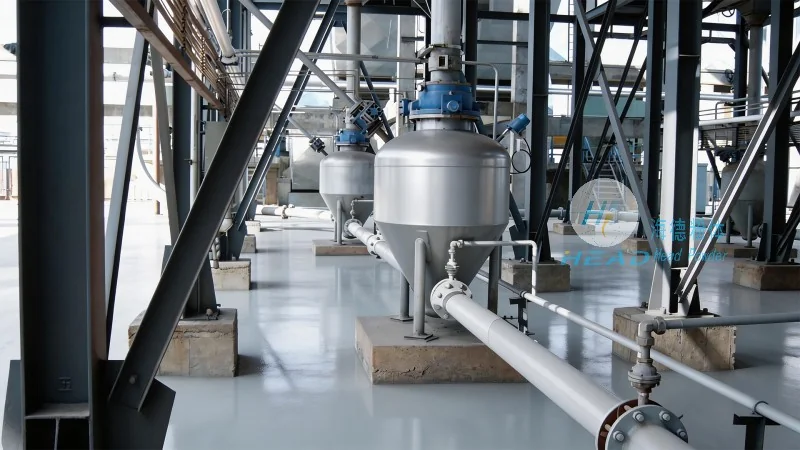
Considerations for System Design and Installation
When designing and installing a paper sheet pneumatic conveying system, several factors must be considered to ensure optimal performance and longevity. First, the system must be designed to handle the specific characteristics of the paper sheets being transported, such as their size, weight, and moisture content. This may require adjustments to the conveying line diameter, air pressure, and material feed rate. Second, the system must be installed in a way that minimizes the risk of material buildup or blockages. This includes proper positioning of airlocks, cyclones, and filters to ensure smooth material flow. Third, regular maintenance is essential to keep the system operating efficiently. This includes cleaning filters, checking air compressor performance, and inspecting conveying lines for wear or damage.
Conclusion
Paper sheet pneumatic conveying systems represent a sophisticated and effective solution for transporting paper materials in industrial settings. By understanding the design principles and components of these systems, businesses can improve their material handling processes, reduce costs, and enhance overall productivity. As technology continues to advance, these systems will likely become even more efficient and versatile, further solidifying their role in modern industrial operations.