

What is a Lead Powder Pneumatic Conveying System? And What Are Its Design Principles?
Lead powder pneumatic conveying systems are specialized industrial equipment designed to transport lead powder and other similar particulate materials through a pipeline using air or other gas as the conveying medium. This technology is crucial in various industries where lead powder handling is required, such as battery manufacturing, metallurgy, and chemical processing. The system's efficiency and reliability depend heavily on its design, which must consider factors like material properties, flow rates, and system pressure.
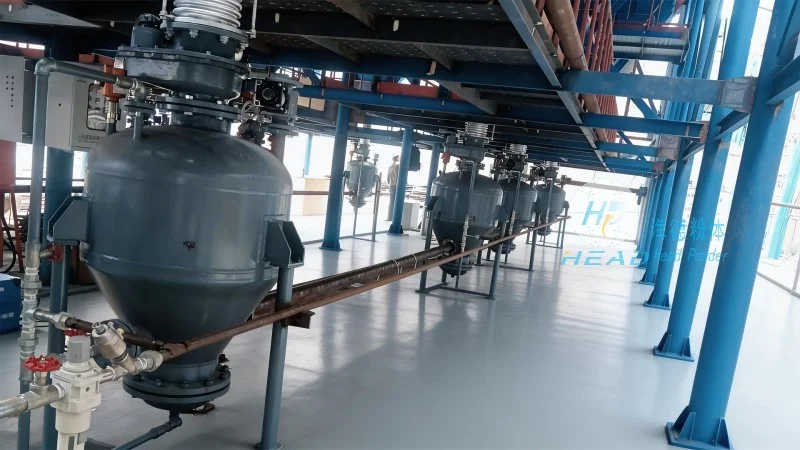
Introduction to Lead Powder Pneumatic Conveying Systems
At Shandong HeadPowder Engineering Co., Ltd., we specialize in the design, manufacturing, and installation of lead powder pneumatic conveying systems. Our company, based in Shandong, China, has extensive experience in handling lead powder and other hazardous materials, ensuring that our systems meet the highest safety and performance standards. The lead powder pneumatic conveying system operates by creating a pressure differential within the pipeline, which draws the lead powder particles into the conveying line and transports them to the destination point. This method is preferred over traditional mechanical conveying for its ability to handle fine powders without clogging or degradation.
Key Design Principles of Lead Powder Pneumatic Conveying Systems
The design of a lead powder pneumatic conveying system involves several critical principles to ensure optimal performance and safety. First, the system must be designed to handle the specific properties of lead powder, including its density, particle size distribution, and moisture content. Lead powder is often fine and can be prone to static electricity, which can cause material buildup and affect flow. Therefore, the system incorporates anti-static measures and appropriate material selection for components to prevent these issues. Second, the system's pressure and flow rate must be carefully calculated to maintain a stable and continuous flow of lead powder. This involves selecting the right type of air compressor, pipeline diameter, and conveying velocity to achieve the desired throughput without causing excessive pressure drops or material degradation.
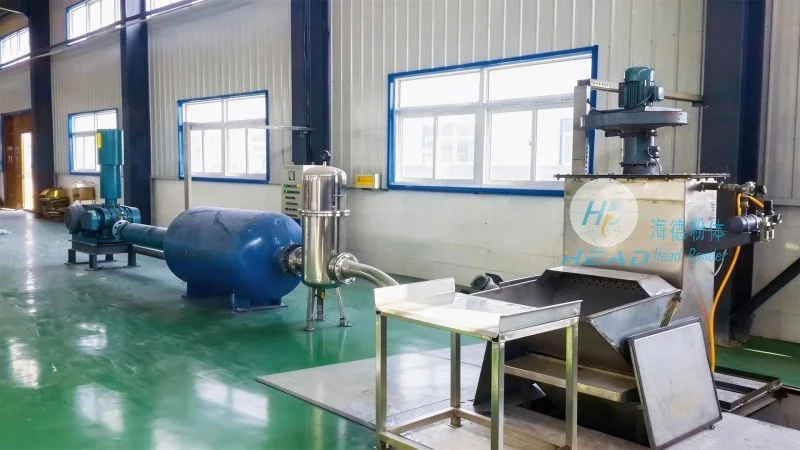
Components and Functionality of the Lead Powder Pneumatic Conveying System
The lead powder pneumatic conveying system consists of several key components, each playing a vital role in the overall operation. The primary components include the material feed hopper, which holds the lead powder and feeds it into the conveying line; the air compressor or blower, which generates the necessary pressure to move the material; the pipeline system, which transports the lead powder and air mixture; and the receiving hopper or silo, where the material is deposited. The material feed hopper is equipped with a rotary valve or feeder to control the flow rate of lead powder into the system, ensuring a consistent feed. The air compressor provides the motive force, typically operating at pressures ranging from low to high, depending on the system's requirements. The pipeline is usually made of materials resistant to lead powder corrosion, such as stainless steel or special coatings, to prevent material degradation and system failure. The receiving hopper is designed to collect the lead powder and may include a level indicator or discharge valve for further processing.
Advantages of Using a Lead Powder Pneumatic Conveying System
Implementing a lead powder pneumatic conveying system offers several advantages over traditional conveying methods. One of the main benefits is the ability to handle fine lead powder without clogging or degradation, which is essential for maintaining product quality. The system also provides a closed-loop operation, reducing dust emissions and improving workplace safety. This is particularly important when handling lead powder, as it is a hazardous material that requires strict safety measures. Additionally, the system allows for flexible and scalable operation, with the ability to adjust flow rates and system configurations to meet changing production needs. The closed system also minimizes material loss and contamination, ensuring that the lead powder remains pure and free from external contaminants.
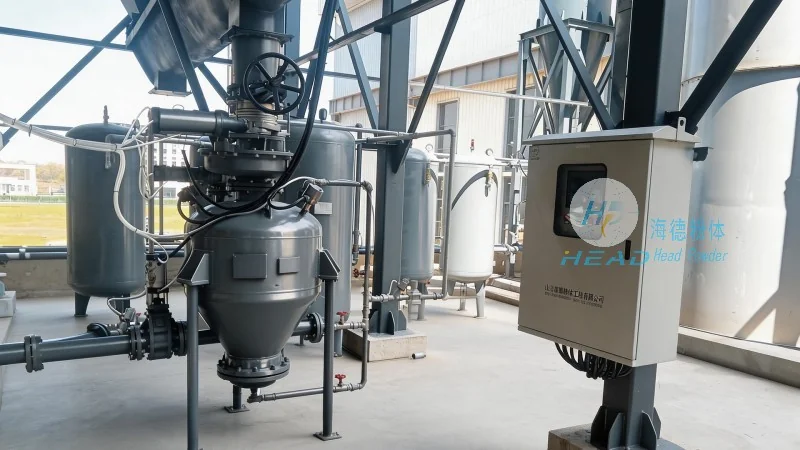
Applications and Industries Using Lead Powder Pneumatic Conveying Systems
Lead powder pneumatic conveying systems are widely used in various industries that require the handling of lead powder. The primary application is in the battery manufacturing industry, where lead powder is used as a raw material for lead-acid batteries. The system efficiently transports lead powder from storage to the battery production line, ensuring a consistent supply of material. Other industries that benefit from this technology include metallurgy, where lead powder is used in alloy production, and chemical processing, where lead powder is used in the production of lead-based compounds. The system's ability to handle fine powders and maintain material integrity makes it ideal for these applications, where product quality and consistency are critical.
Conclusion: The Importance of Proper Design and Installation
In conclusion, the lead powder pneumatic conveying system is a critical piece of equipment for industries handling lead powder. Its design and operation must be carefully considered to ensure optimal performance, safety, and efficiency. At Shandong HeadPowder Engineering Co., Ltd., we specialize in the design and installation of these systems, ensuring that they meet the specific needs of our clients. By adhering to the key design principles and using high-quality components, we provide reliable and effective lead powder pneumatic conveying systems that enhance production efficiency and safety. The system's ability to handle fine lead powder and maintain material integrity makes it an essential tool for industries relying on lead powder as a raw material.