Bentonite powder, a crucial material in various industrial processes, often requires efficient and reliable transportation methods. The Bentonite Powder Pneumatic Conveying Line is a specialized system designed to handle the unique properties of this powder, ensuring safe and effective movement from source to destination. This article explores the fundamental aspects of such a system, including its design principles and the key factors that contribute to its successful operation.
Introduction to Bentonite Powder Pneumatic Conveying Systems
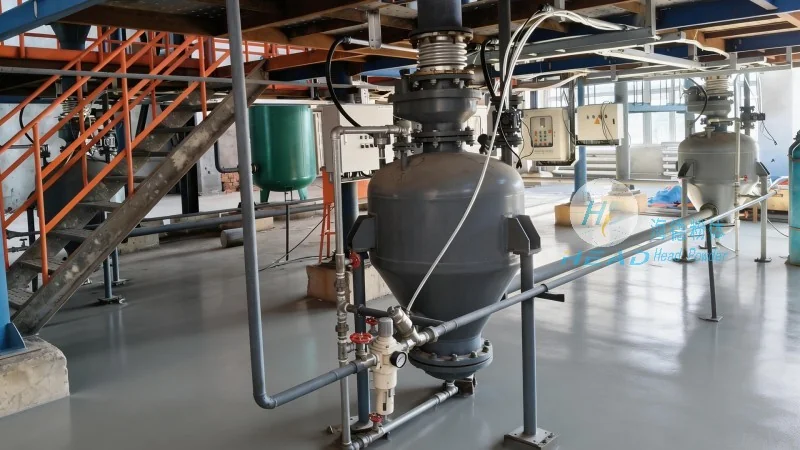
Bentonite, a naturally occurring clay, is widely used in industries like drilling fluids, foundry casting, and water treatment due to its high swelling capacity and adsorption properties. When handling this material, traditional methods like bucket elevators or belt conveyors may not be suitable due to the powder's fine particle size and tendency to clog or cause dust issues. Pneumatic conveying systems offer a solution by using air to transport the powder through a sealed pipeline, minimizing contamination and ensuring a clean, controlled process. The system typically consists of a feeding device, a conveying line, a separation unit, and a discharge point, all working in tandem to move the material efficiently.
Core Design Principles of the System
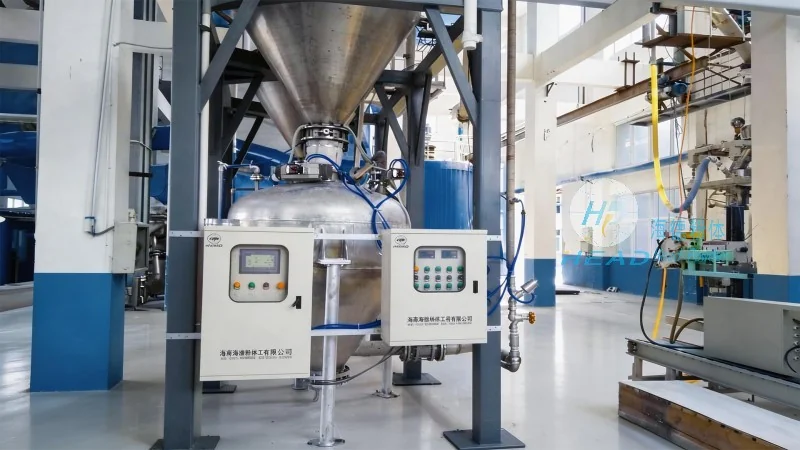
The design of a Bentonite Powder Pneumatic Conveying Line is governed by several critical principles that ensure optimal performance. The first principle is the selection of the appropriate conveying method—either positive pressure (where air is blown into the system to push the material) or negative pressure (where air is drawn out to pull the material). The choice depends on factors such as the distance to be covered, the volume of material, and the need for dust control. For longer distances or larger volumes, positive pressure systems are often preferred as they provide more consistent flow and higher pressure capabilities. Another key principle is the determination of the air-to-solid ratio (ASR), which is the ratio of air volume to the volume of material being conveyed. An optimal ASR ensures that the powder is fully suspended and transported without clogging the pipeline. The design also considers the material's properties, including particle size distribution, density, and moisture content, as these factors directly impact the system's efficiency and energy consumption.
Key Components and Their Functions
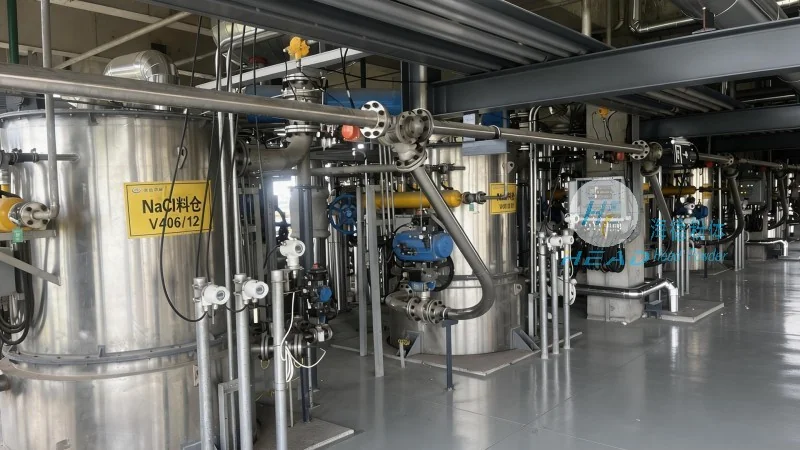
Several key components make up a Bentonite Powder Pneumatic Conveying Line, each playing a vital role in the overall operation. The primary component is the conveying fan or blower, which generates the necessary air pressure or vacuum to move the material. This equipment must be capable of handling the specific air volume and pressure required for the system, often with options for variable speed control to adjust to changing material loads. The feeding device, typically a rotary valve or a hopper with a feeder, ensures that the powder is introduced into the system in a controlled manner, preventing blockages and maintaining a consistent flow. The conveying line itself is made of materials resistant to the corrosive properties of bentonite, such as stainless steel or special coatings, to prevent wear and degradation over time. The separation unit, usually a cyclone or a bag filter, is crucial for removing the powder from the air stream at the discharge end, ensuring that the material is collected efficiently and the air is cleaned before release. Finally, the discharge hopper or silo stores the material for further processing, maintaining a stable and controlled environment.
Application and Operational Benefits
The Bentonite Powder Pneumatic Conveying Line is widely used in industries where the handling of fine powders is essential. In the drilling industry, for example, bentonite is used to create drilling mud, and the system ensures that the powder is transported to the drilling site without loss or contamination. In foundry applications, the system helps in moving bentonite for mold preparation, improving the quality and consistency of the casting process. The operational benefits of this system include reduced labor costs, as the material is moved automatically, and improved safety, as the process is enclosed and dust-free. Additionally, the system minimizes material waste by preventing spillage and ensuring that the powder is fully utilized. The energy efficiency of the system is also a significant advantage, as modern designs optimize air usage and reduce power consumption, making it a cost-effective solution for long-term operation.
About Shandong HeadPowder Engineering Co., Ltd.
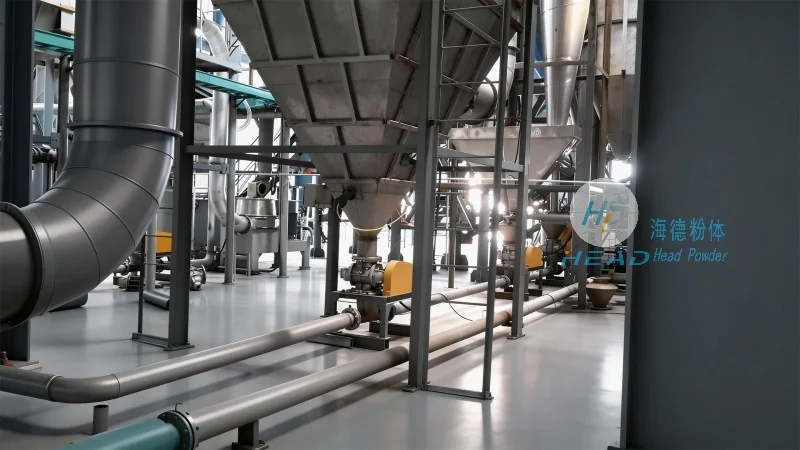
Shandong HeadPowder Engineering Co., Ltd., a leading manufacturer in the field of material handling systems, specializes in designing and manufacturing Bentonite Powder Pneumatic Conveying Lines tailored to the specific needs of various industries. With a strong focus on quality and innovation, the company has developed advanced systems that incorporate the latest design principles and technologies. HeadPowder's products are known for their durability, efficiency, and reliability, ensuring that clients receive a solution that meets their operational requirements. The company is located in Shandong, China, and serves a global market with customized solutions that enhance productivity and safety in material handling processes. By leveraging years of experience and expertise, HeadPowder continues to be a trusted partner for businesses seeking efficient and effective pneumatic conveying solutions.




