

What is a Wheat Starch Pneumatic Conveying System? And What Are Its Design Principles?
Wheat starch is a critical component in numerous food and industrial applications, and the efficient handling of this material is essential for maintaining product quality and operational efficiency. A pneumatic conveying system is a specialized equipment designed to transport wheat starch and other powders through a pipeline using air or gas as the conveying medium. This article explores what a wheat starch pneumatic conveying system is and delves into its fundamental design principles, highlighting the technical aspects and practical considerations for its implementation.
Understanding Wheat Starch Pneumatic Conveying Systems
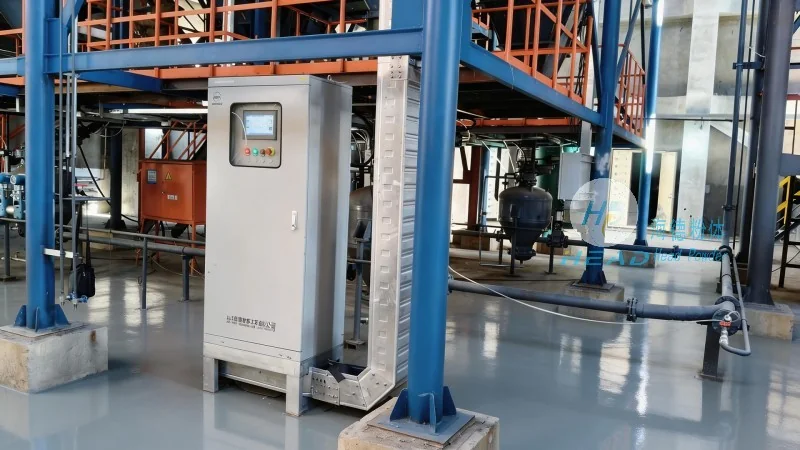
A wheat starch pneumatic conveying system is a closed-loop or open-loop system engineered to move wheat starch from a source, such as a storage silo or processing unit, to a destination, like a processing line or packaging area. The system typically comprises several key components, including a hopper for material storage, a feeder to control the flow rate, a conveying line (usually constructed from metal or plastic), and a receiver to collect the material at the end of the line. The core of the system is the air or gas that propels the wheat starch particles through the pipeline, creating a flow that can be either dilute-phase or dense-phase, depending on the system design.
Key Components of a Wheat Starch Pneumatic Conveying System
Each component in a wheat starch pneumatic conveying system plays a vital role in ensuring smooth and efficient operation. The hopper, often equipped with a cone or a rotary valve, provides a controlled storage environment for the wheat starch, preventing caking and ensuring a consistent feed rate. The feeder, which can be a rotary valve, screw feeder, or vibratory feeder, regulates the amount of material entering the conveying line, maintaining a stable flow that matches the system's capacity. The conveying line itself is usually made of stainless steel or other corrosion-resistant materials to handle the abrasive nature of wheat starch and to prevent contamination. The receiver, typically a hopper or a storage tank, collects the material at the end of the line and may include a filter or a cyclone to separate any entrained air or dust from the product.
Design Principles for Wheat Starch Pneumatic Conveying
The design of a wheat starch pneumatic conveying system is based on several critical principles to ensure optimal performance, reliability, and efficiency. The first principle is the selection of the appropriate conveying type, which can be either dilute-phase or dense-phase. Dilute-phase systems use low air-to-material ratios (typically 5-10:1) and are suitable for short to medium distances and low to medium material flow rates. Dense-phase systems, on the other hand, use higher air-to-material ratios (10-20:1 or more) and are ideal for longer distances, higher flow rates, and when the material is sensitive to high velocity or pressure. The choice between these two types depends on factors such as the distance between the source and destination, the required flow rate, and the characteristics of the wheat starch, including its particle size, moisture content, and bulk density.
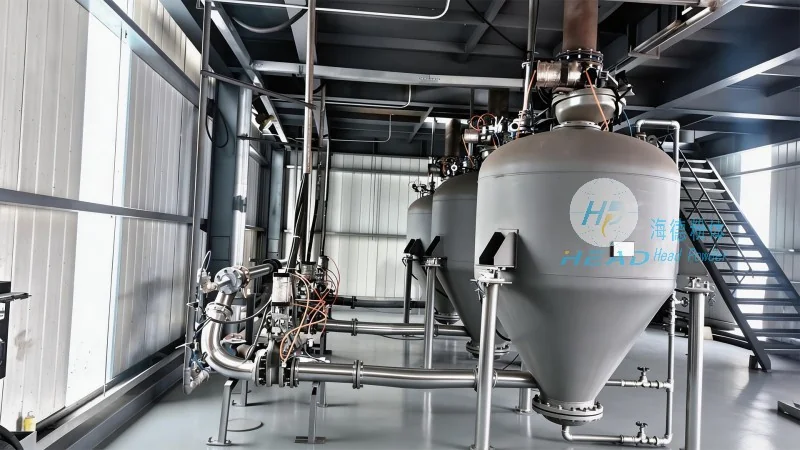
Another crucial design principle is the calculation of the air velocity and pressure required to move the wheat starch through the pipeline. The air velocity must be high enough to overcome the friction between the particles and the pipe wall, as well as the gravitational forces acting on the material. This velocity is typically determined based on the particle size distribution and the bulk density of the wheat starch. The pressure drop along the pipeline is also a critical factor, as it determines the power consumption of the system and the overall energy efficiency. Engineers use specialized software or empirical formulas to calculate the required air velocity and pressure drop, ensuring that the system operates within safe and efficient parameters.
Material Handling Considerations for Wheat Starch
Wheat starch is a fine powder with specific physical properties that must be considered during the design and operation of a pneumatic conveying system. The particle size distribution of wheat starch is typically in the range of 10-200 microns, and the material is often hygroscopic, meaning it can absorb moisture from the air. These properties affect the system's performance, as fine particles are more prone to caking and bridging in the hopper and feeder, while hygroscopic materials may require additional drying or moisture control measures. The system design must account for these characteristics to prevent blockages, ensure consistent flow, and maintain product quality. For example, the hopper may be equipped with a heating element or a vibration system to prevent caking, and the conveying line may be insulated to prevent moisture absorption from the air.
System Integration and Maintenance
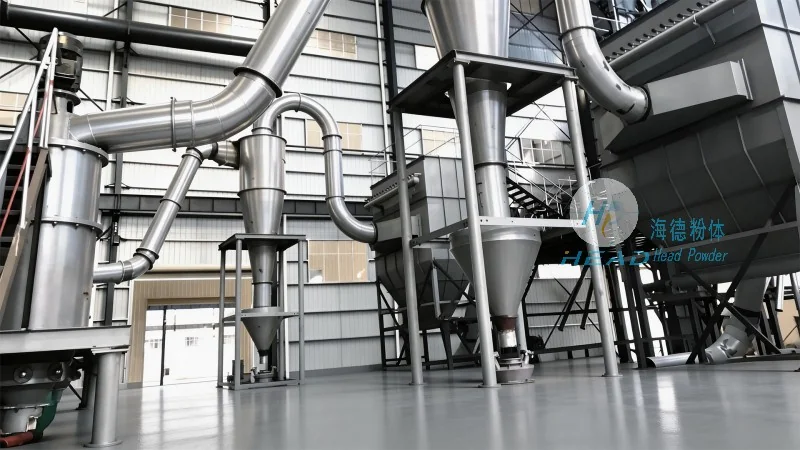
A wheat starch pneumatic conveying system is often integrated with other processing equipment, such as mills, classifiers, or packaging lines, to form a complete production line. The integration must be carefully planned to ensure smooth material flow and minimal downtime. Regular maintenance is also essential to keep the system operating at peak efficiency. This includes cleaning the hopper and feeder to prevent material buildup, inspecting the conveying line for wear or damage, and checking the air compressor and filters for proper operation. Proper maintenance can significantly extend the lifespan of the system and reduce the risk of costly breakdowns.
About Shandong HeadPowder Engineering Co., Ltd.
Shandong HeadPowder Engineering Co., Ltd. is a leading manufacturer and supplier of pneumatic conveying systems and related equipment for the food and industrial sectors. With years of experience in the industry, the company specializes in designing and manufacturing customized wheat starch pneumatic conveying systems that meet the specific needs of its clients. The company's products are known for their high quality, reliability, and energy efficiency, and are used in a wide range of applications, from small-scale food processing to large-scale industrial production. HeadPowder's commitment to innovation and customer satisfaction has made it a trusted partner for many businesses in the industry.
Located in Shandong, China, HeadPowder Engineering Co., Ltd. leverages its local expertise and resources to provide comprehensive solutions for material handling challenges. The company's team of experienced engineers and technicians work closely with clients to understand their specific requirements and develop tailored solutions that optimize their production processes. Whether it's a new system installation or the upgrade of an existing one, HeadPowder provides expert guidance and support throughout the entire process, ensuring that clients achieve the best possible results.