When it comes to efficient and reliable material handling in agricultural processing, especially for cassava, pneumatic conveying systems have emerged as a critical technology. These systems are designed to transport cassava from one location to another using air as the conveying medium. Understanding the fundamentals of a cassava pneumatic conveying system, including its design principles, is essential for optimizing processing operations and ensuring consistent performance.
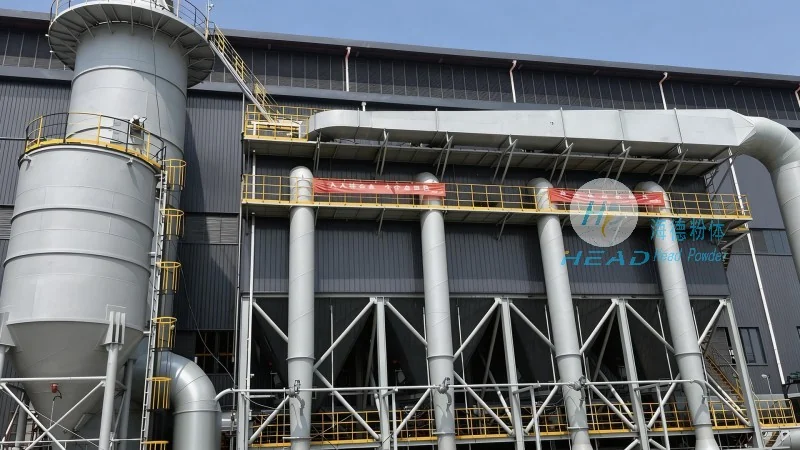
What is a Cassava Pneumatic Conveying System?
A cassava pneumatic conveying system is a type of material handling equipment that utilizes compressed air to transport cassava tubers or processed cassava products (such as flour or chips) through a network of pipes. This technology is widely used in the cassava processing industry due to its ability to handle bulk materials with minimal manual intervention, reduce contamination risks, and maintain product quality during transport.
Key Components of a Cassava Pneumatic Conveying System
The effectiveness of a cassava pneumatic conveying system depends on several key components that work in tandem to achieve efficient material transport. These components typically include:
- Feeding Unit: This component is responsible for introducing cassava into the system. It may consist of a hopper, a rotary valve, or a screw feeder, which ensures a consistent and controlled flow of material into the conveying line.
- Conveying Pipeline: The pipeline is the main channel through which the cassava and air mixture travels. It is usually made of durable materials like stainless steel or PVC to withstand the abrasive nature of cassava and the effects of compressed air.
- Air Supply System: Compressed air is supplied to the system via an air compressor and a pressure regulator. The air pressure and flow rate are critical parameters that determine the conveying capacity and efficiency of the system.
- Separation and Collection Equipment: At the end of the conveying line, the system separates the cassava from the air. This is typically done using a cyclone separator or a bag filter, which collects the material and returns the air to the system for reuse.
Design Principles for Optimal Performance
The design of a cassava pneumatic conveying system is based on several key principles to ensure it operates efficiently and reliably. These principles take into account the physical properties of cassava, such as its density, moisture content, and particle size, as well as the operational requirements of the processing facility.
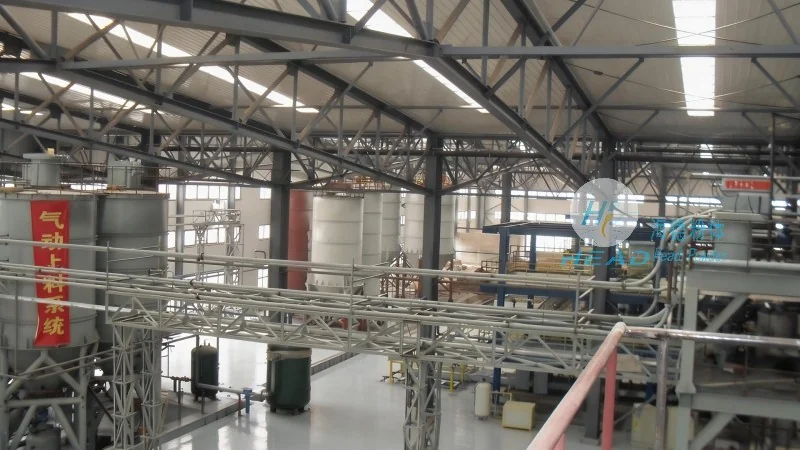
First, the system must be designed to handle the specific characteristics of cassava. For example, cassava particles can vary in size and shape, which affects how they interact with the air stream. The design must account for these variations to prevent blockages or uneven flow. Additionally, the moisture content of cassava can impact its flowability and the system's efficiency, so moisture control is often integrated into the design.
Second, the system's capacity and the required air pressure are determined based on the distance the cassava needs to be transported and the volume of material to be handled. Engineers use calculations based on the material's bulk density, the conveying velocity, and the pipeline diameter to select the appropriate air compressor and pipeline size. This ensures that the system can meet the processing demands without excessive energy consumption.
Third, energy efficiency is a critical design consideration. Modern cassava pneumatic conveying systems are designed to minimize energy waste by optimizing the air flow and reducing pressure losses in the pipeline. This includes using smooth pipeline surfaces, minimizing bends and fittings, and selecting the most efficient air compressor technology. Energy savings not only reduce operational costs but also contribute to a more sustainable processing operation.
Customization and Application in Cassava Processing
Shandong HeadPowder Engineering Co., Ltd., a leading manufacturer in the field, specializes in designing and manufacturing customized cassava pneumatic conveying systems tailored to the specific needs of their clients. The company's expertise lies in understanding the unique challenges of cassava processing and translating them into effective system solutions.
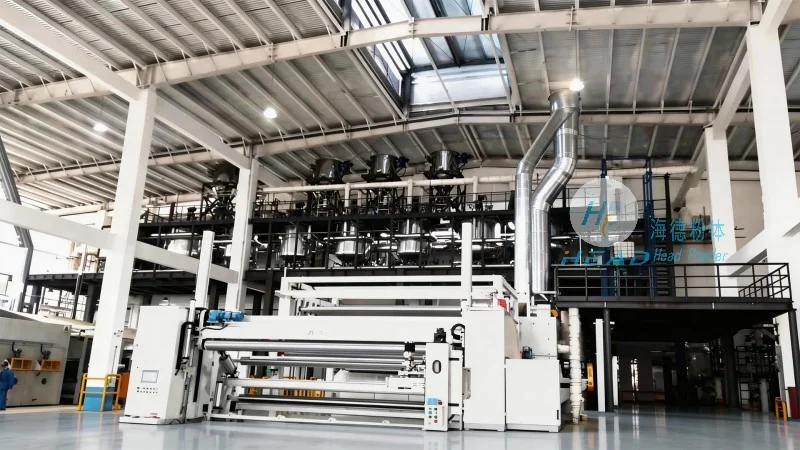
For instance, when designing a system for a cassava flour production facility, the engineers at HeadPowder would consider the need to transport raw cassava from storage to the processing line, then to the milling and drying stages. The system would be configured to handle the varying moisture levels and particle sizes at each stage, ensuring consistent material flow and preventing product degradation. The company also considers the space constraints of the facility, designing compact systems that fit within the available footprint while maintaining high conveying efficiency.
In addition to standard pneumatic conveying systems, HeadPowder may offer specialized configurations, such as vacuum or pressure systems, depending on the client's requirements. These variations allow for flexibility in material handling, whether the goal is to transport cassava over short distances or long distances, or to handle different types of cassava products.
Conclusion
A cassava pneumatic conveying system is a sophisticated piece of equipment that combines mechanical engineering and material science to achieve efficient and reliable transport of cassava. The design principles behind these systems are critical to their performance, focusing on material characteristics, operational efficiency, and energy conservation. Companies like Shandong HeadPowder Engineering Co., Ltd. play a vital role in developing and implementing these systems, ensuring that cassava processing facilities can operate at their best while meeting the demands of modern agricultural processing.




