For those in the field of material handling and processing, especially when dealing with lithium carbonate, understanding the right equipment for transporting this critical material is essential. A key piece of equipment in this domain is the lithium carbonate pneumatic conveying system. This article aims to explain what this equipment is and delve into its design principles, providing a comprehensive overview for industry professionals.
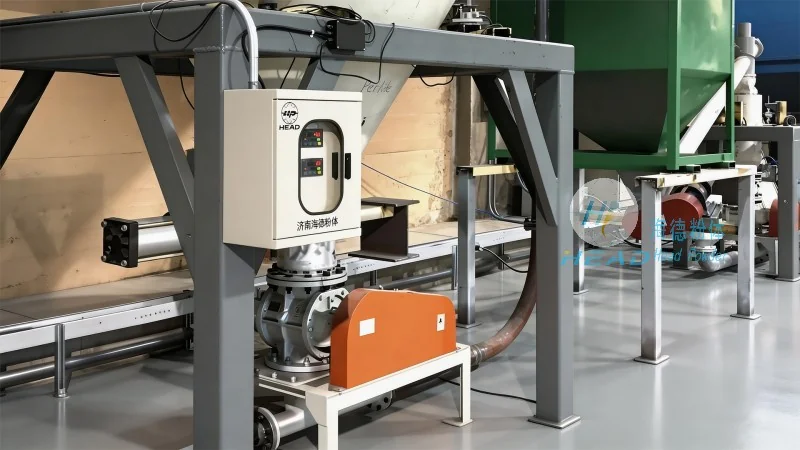
Introduction to Lithium Carbonate Pneumatic Conveying Equipment
Lithium carbonate is a vital chemical compound widely used in the production of lithium-ion batteries, which are the backbone of modern electric vehicles and renewable energy storage systems. The efficient and safe transportation of lithium carbonate from production sites to processing or packaging facilities is crucial for maintaining production efficiency and product quality. Pneumatic conveying equipment offers a solution by using air to move the material through a pipeline system, eliminating the need for mechanical components that might cause contamination or damage to the product.
Understanding the Core Components of the Equipment
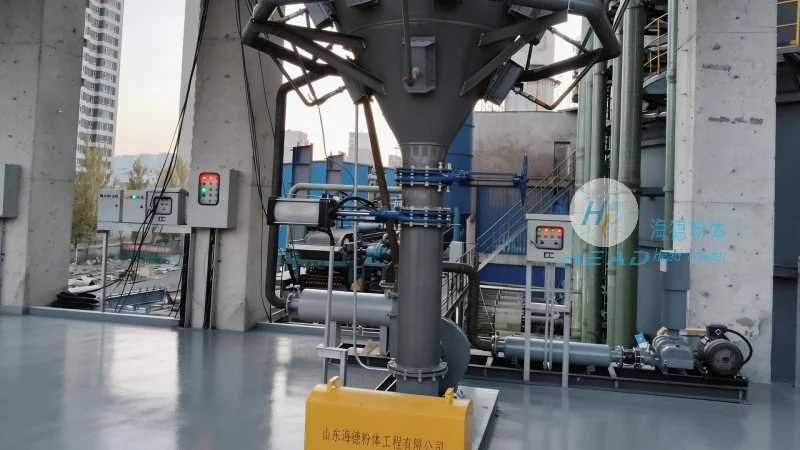
The lithium carbonate pneumatic conveying system typically consists of several key components that work in unison to transport the material. These components include a hopper or feeder for material storage and feeding, a blower or compressor to generate the air pressure, a pipeline network that carries the material and air, and a receiver or discharge hopper where the material is collected. Each component plays a critical role in ensuring the smooth and efficient operation of the system.
Design Principles Behind the Equipment
The design of a lithium carbonate pneumatic conveying system is based on several fundamental principles to ensure optimal performance and reliability. One of the primary principles is the balance between air velocity and material velocity. The air velocity must be sufficient to lift and transport the material particles through the pipeline without causing excessive wear or degradation of the material. This is often achieved by calculating the appropriate air flow rate and pressure based on the particle size, density, and flow characteristics of the lithium carbonate.
Another crucial design principle is the consideration of material properties. Lithium carbonate is a fine powder with specific characteristics such as particle size distribution, moisture content, and flowability. The equipment design must account for these properties to prevent issues like caking, bridging, or blockages in the pipeline. For instance, the hopper and feeder design may incorporate features like vibrators or agitators to ensure consistent material flow and prevent material buildup.
The Role of the Blower and Air System
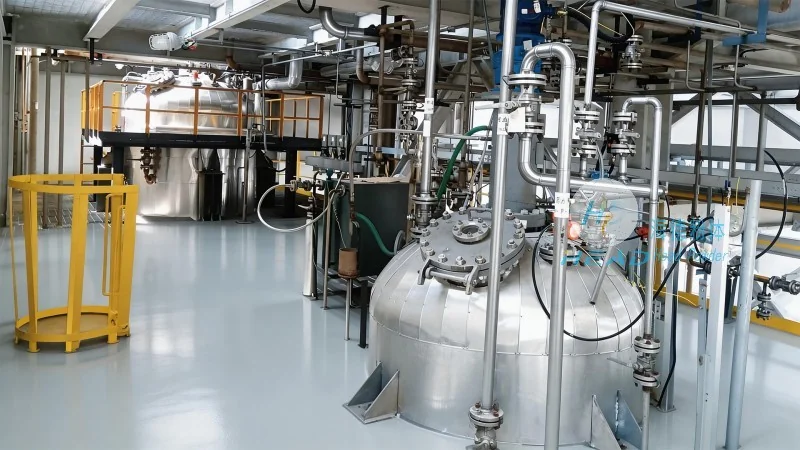
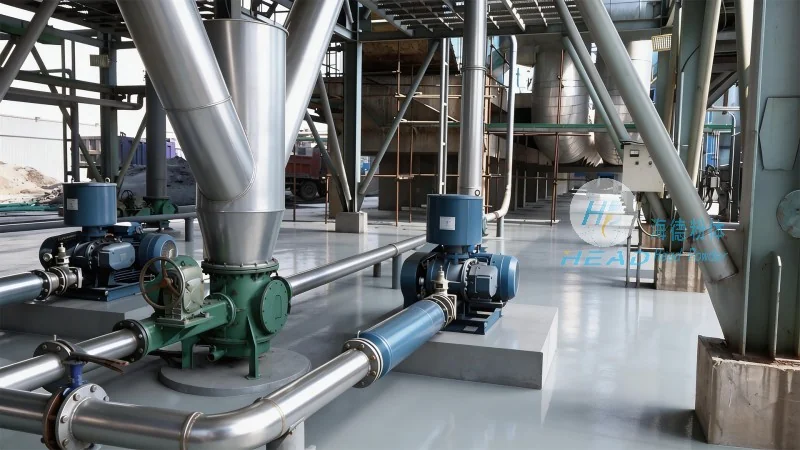
The blower or compressor is a central component that provides the necessary air pressure to move the material. The choice of blower type, whether positive displacement or centrifugal, depends on the specific requirements of the conveying system. Positive displacement blowers are often preferred for low to medium pressure applications as they provide a more consistent air flow, which is important for maintaining the stability of the material suspension. The air system also includes filters and moisture separators to ensure the air used for conveying is clean and dry, preventing contamination of the lithium carbonate and potential damage to the equipment.
Pipeline Design and Material Handling
The pipeline network is designed to minimize pressure drop and ensure the material is conveyed efficiently. The diameter and length of the pipeline are carefully calculated based on the air velocity and material flow rate. The use of bends, elbows, and other fittings is minimized to reduce friction losses and prevent material deposition. Additionally, the pipeline may be equipped with cleaning mechanisms, such as air cannons or sweepers, to remove any material buildup and maintain system efficiency.
Advantages of Using Pneumatic Conveying for Lithium Carbonate
Implementing a pneumatic conveying system for lithium carbonate offers several advantages over traditional mechanical conveying methods. One of the main benefits is the ability to transport the material in a closed system, which helps maintain product purity and prevents contamination from external sources. This is particularly important for lithium carbonate, which is sensitive to moisture and other environmental factors. Additionally, pneumatic conveying systems can handle fine powders without the need for additional equipment like conveyors or elevators, reducing the overall footprint and complexity of the material handling process.
Applications and Industries
Lithium carbonate pneumatic conveying equipment is widely used in various industries, including battery manufacturing, chemical processing, and pharmaceuticals. In battery manufacturing, it is used to transport lithium carbonate from the production plant to the battery cell assembly line. In chemical processing, it may be used to move the material between different processing stages, such as drying or grinding. The versatility of the system makes it suitable for a wide range of applications where efficient and safe material transport is required.
Conclusion
In conclusion, the lithium carbonate pneumatic conveying equipment is a sophisticated system designed to efficiently and safely transport lithium carbonate. Its design is based on fundamental principles that ensure optimal performance, reliability, and product quality. By understanding the components and design principles of this equipment, industry professionals can make informed decisions when selecting and implementing such systems for their operations. As the demand for lithium-ion batteries continues to grow, the importance of efficient material handling systems like these will only increase, making them a critical component in the supply chain of modern energy technologies.




