

What Are Glass Raw Material Pneumatic Conveying Equipment? And What Are Their Design Principles?
Glass raw material pneumatic conveying equipment is a specialized system designed to transport bulk materials like sand, soda ash, limestone, and other powders used in glass manufacturing processes. This technology offers an efficient and reliable method for moving these materials from storage silos or processing units to the glass melting furnaces or other production stages. The equipment plays a crucial role in ensuring smooth material flow, maintaining product quality, and enhancing overall production efficiency in the glass industry.
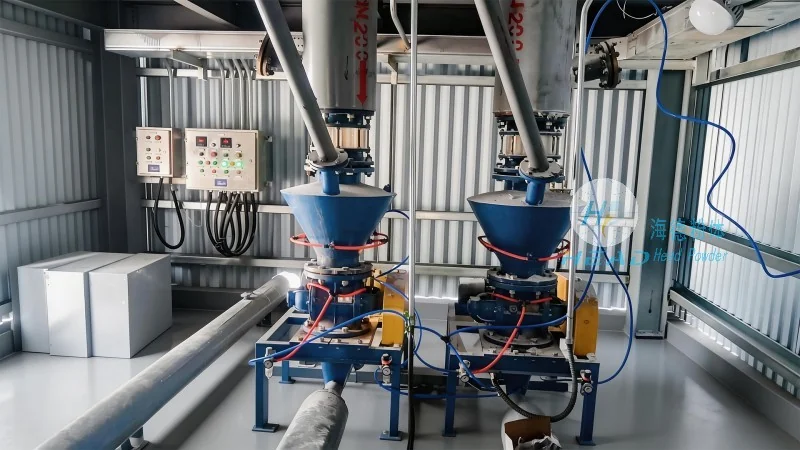
Overview of Pneumatic Conveying Systems for Glass Raw Materials
Pneumatic conveying systems utilize air or gas as the medium to transport bulk materials. These systems can operate under pressure (positive pressure) or vacuum (negative pressure), depending on the specific requirements of the glass production line. The positive pressure system forces air through the material, while the vacuum system draws air and material through the system. For glass raw materials, which are often fine powders with varying particle sizes, the choice of system type and design is critical to prevent clogging, maintain consistent flow rates, and ensure minimal material degradation.
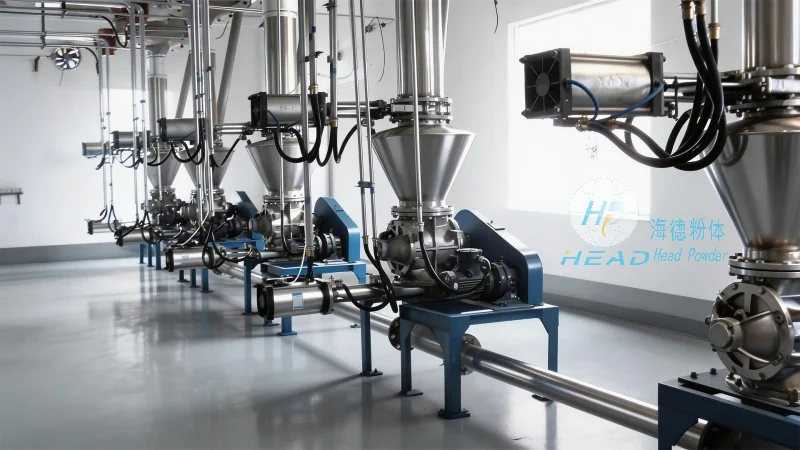
Design Principles of Glass Raw Material Pneumatic Conveying Equipment
The design of glass raw material pneumatic conveying equipment follows several key principles to optimize performance and durability. First, the system must be able to handle the specific properties of glass raw materials, such as their particle size distribution, moisture content, and abrasiveness. Engineers design the equipment with appropriate material of construction (e.g., stainless steel or corrosion-resistant alloys) to withstand the chemical and physical stresses of the materials. Second, the system's capacity and flow rate are determined based on the production rate of the glass plant, ensuring that the conveying equipment can meet the demand without bottlenecks. Third, the design incorporates features like pulse-jet cleaning for filters and separators to maintain system efficiency over time. Additionally, the equipment is engineered for easy maintenance and cleaning, which is essential for maintaining product purity in glass manufacturing.
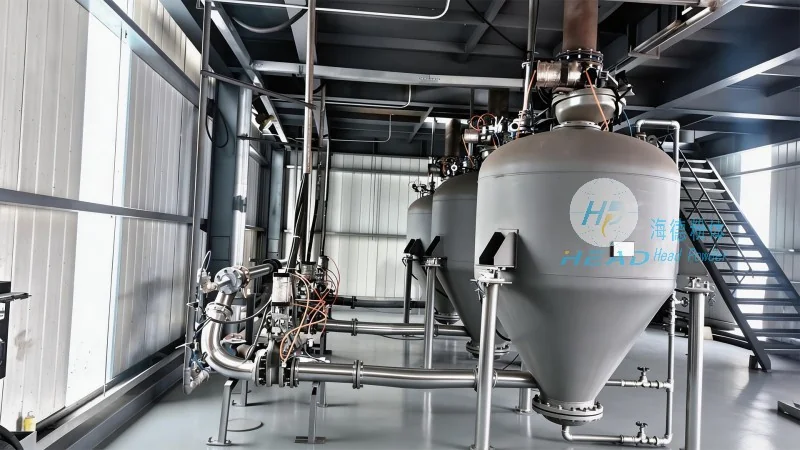
Key Components and Their Functions in the System
A typical glass raw material pneumatic conveying system consists of several key components, each playing a vital role in the overall operation. The primary components include the material feeder, which meters the raw material into the system at a controlled rate; the conveying line, which transports the material through the system using air pressure or vacuum; the filter and separator, which remove air from the material stream and collect the conveyed material; and the control system, which monitors and adjusts the flow rates and pressures to maintain optimal operation. The material feeder is often a rotary valve or a screw feeder, designed to handle fine powders without clogging. The conveying line may include bends, expansions, and contractions to direct the material flow efficiently. The filter and separator, such as cyclones or bag filters, are critical for maintaining air quality and preventing material loss. The control system uses sensors and controllers to adjust the air pressure, material feed rate, and other parameters to ensure consistent performance.
Application Scenarios and Benefits of Using Such Equipment
Glass raw material pneumatic conveying equipment is widely used in various stages of glass production, from raw material handling to final product processing. In the initial stages, the equipment transports raw materials from storage silos to the mixing and batching areas. During the glass melting process, it supplies the necessary raw materials to the furnace at a controlled rate. The equipment is also used in downstream processes, such as colorant addition and fining agent application. The benefits of using pneumatic conveying systems for glass raw materials include improved material handling efficiency, reduced labor costs, enhanced product purity, and minimized contamination risks. Additionally, the systems are designed to be compact and space-efficient, making them suitable for both new and existing glass manufacturing facilities. The use of such equipment also contributes to better environmental control, as it reduces dust emissions and improves workplace safety by eliminating manual handling of bulk materials.
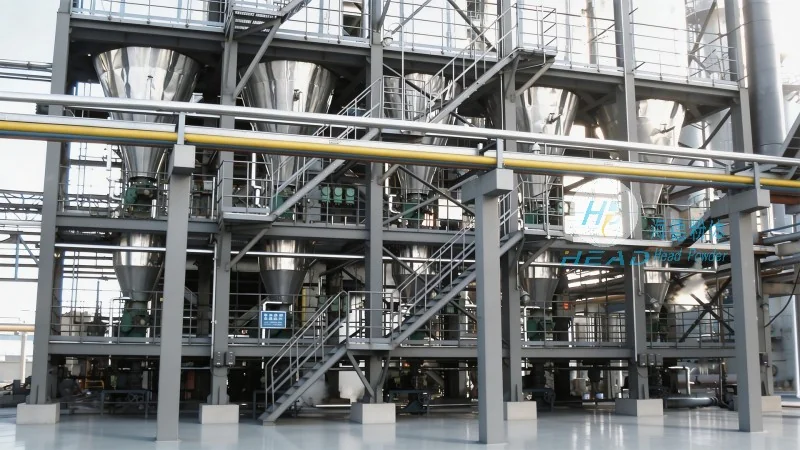
About Shandong HeadPowder Engineering Co., Ltd.
Shandong HeadPowder Engineering Co., Ltd. is a leading manufacturer and supplier of specialized pneumatic conveying equipment for the glass industry. With a strong focus on innovation and quality, the company has developed advanced solutions tailored to the unique needs of glass manufacturers. HeadPowder's equipment is designed with durable materials and advanced control systems to ensure reliable performance and long service life. The company's products are widely used in glass production lines across China and other regions, providing customers with efficient and cost-effective material handling solutions. HeadPowder's commitment to customer satisfaction and technical excellence has established it as a trusted partner in the glass industry, helping businesses optimize their production processes and improve overall operational efficiency.