

Introduction to Gypsum Powder Conveying Systems: Advantages and Features of Gypsum Powder Pneumatic
At Shandong HeadPowder Engineering Co., Ltd., we specialize in providing advanced solutions for the efficient handling and transportation of gypsum powder. Our focus is on developing reliable and effective conveying systems tailored to the unique characteristics of gypsum powder, ensuring optimal performance in various industrial applications.
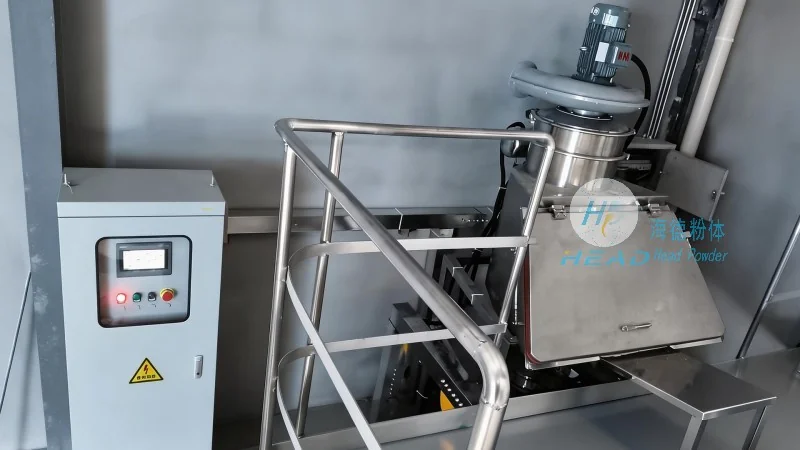
Gypsum Powder Conveying Systems: An Overview
Gypsum powder, a widely used material in construction, industrial processes, and other sectors, requires specialized handling due to its fine particle size and potential for dust generation. Conventional methods like belt conveyors or bucket elevators may struggle with the challenges posed by gypsum powder, such as caking, segregation, and material loss. This is where pneumatic conveying systems offer a superior alternative, providing a clean, efficient, and flexible solution for transporting gypsum powder from storage to processing or end-use applications.
Key Advantages of Pneumatic Conveying for Gypsum Powder
Pneumatic conveying systems, particularly those utilizing positive pressure or vacuum technology, offer several distinct advantages when handling gypsum powder. One of the most significant benefits is the ability to transport material in a closed system, minimizing dust exposure and environmental contamination. This is crucial for maintaining workplace safety and compliance with environmental regulations. Additionally, pneumatic conveying reduces product degradation and loss compared to open systems, preserving the quality of gypsum powder throughout the handling process.
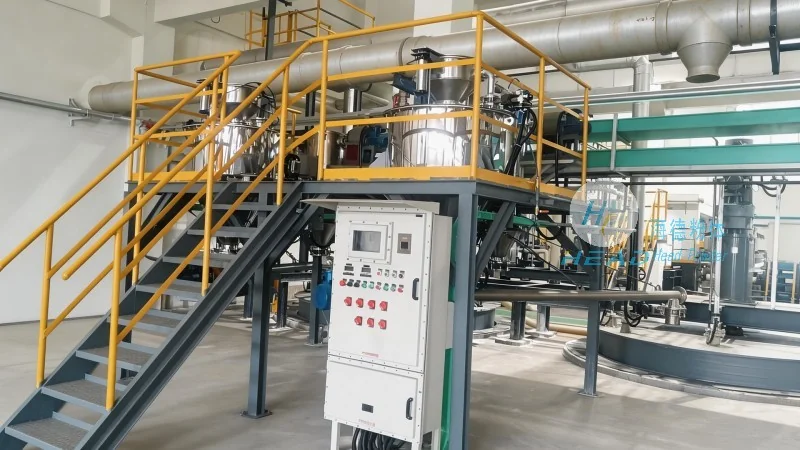
Another key advantage is the flexibility of pneumatic systems. They can handle varying particle sizes and moisture content, adapting to different types of gypsum powder without the need for extensive modifications. The systems can also be integrated with other processing equipment, such as mixers, dryers, or packaging units, creating a seamless workflow that enhances overall operational efficiency. Furthermore, pneumatic conveying systems are relatively low maintenance, with fewer moving parts compared to mechanical conveyors, leading to reduced downtime and operational costs.
Technical Features and Components of Gypsum Powder Pneumatic Conveying Systems
Our gypsum powder conveying systems are designed with a range of technical features to ensure optimal performance. Key components include high-capacity air movers (blowers or vacuum pumps), flexible hoses or rigid pipelines, and specialized material handling equipment such as rotary valves, feeders, and receivers. The selection of these components is critical to the system's efficiency and reliability. For example, the use of positive displacement blowers provides consistent air pressure, ensuring reliable material transport even at high material loads. The design of the pipeline system, including bends and transitions, is optimized to minimize pressure drop and prevent material buildup, which is essential for maintaining system performance over time.
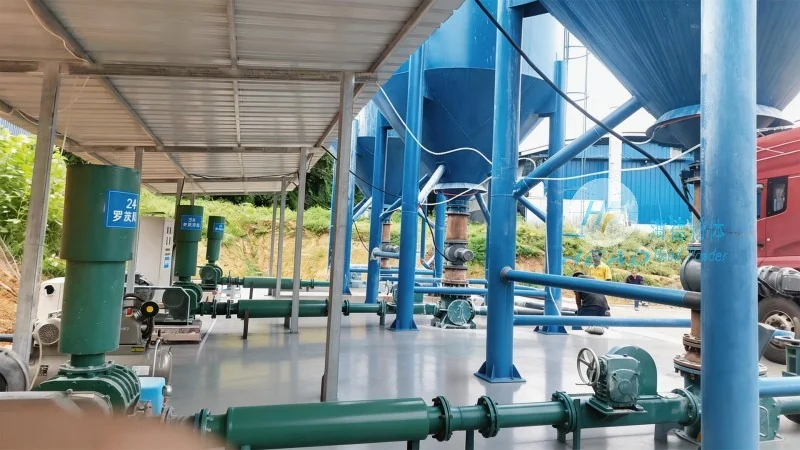
Material handling equipment, such as rotary airlocks and feeders, are engineered to handle the fine, abrasive nature of gypsum powder. These components are constructed from durable materials like stainless steel or special alloys to resist wear and corrosion, ensuring long service life. The receivers and hoppers are designed to store and feed material efficiently, with features like vibration or agitation to prevent caking and ensure smooth material flow. Additionally, the system may include dust collection and filtration equipment to maintain a clean working environment and comply with air quality standards.
Applications and Industries Served by Gypsum Powder Conveying Systems
Gypsum powder conveying systems are widely used across various industries that rely on gypsum as a raw material. In the construction industry, these systems are essential for transporting gypsum powder to manufacturing facilities for the production of gypsum boards, plaster, and other building materials. The systems ensure that the material is delivered in a consistent and controlled manner, meeting the quality standards required for construction applications. In the industrial sector, gypsum powder is used in the production of cement, fertilizers, and other chemical products, where efficient conveying is critical to maintaining production rates and product quality.
Other applications include the pharmaceutical and food industries, where gypsum powder is used as a filler or binder. Here, the closed and sanitary design of pneumatic conveying systems is particularly important to prevent contamination and maintain product purity. The systems are also used in the mining and mineral processing industries for handling gypsum ore and processing it into usable powder. In each of these applications, the reliability and efficiency of the conveying system directly impact the overall productivity and profitability of the operation.
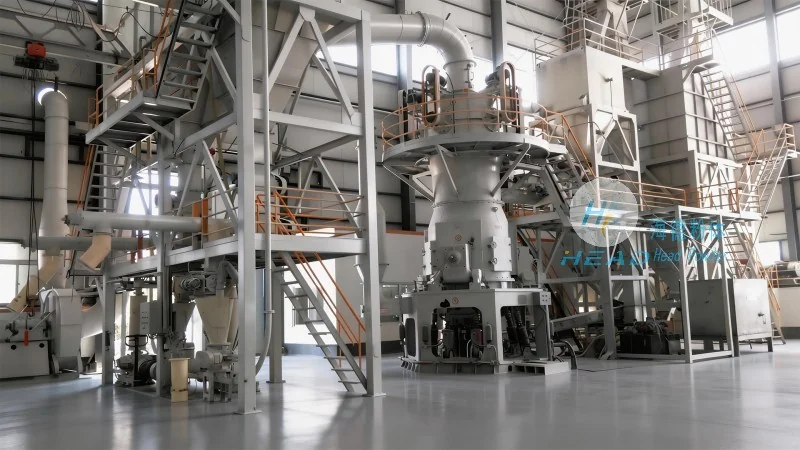
Customization and Integration for Specific Needs
At Shandong HeadPowder Engineering Co., Ltd., we understand that each client's needs are unique. Therefore, our conveying systems are highly customizable to meet specific requirements. We work closely with clients to assess their operational needs, material characteristics, and space constraints to design a system that is tailored to their exact specifications. This includes selecting the appropriate conveying method (positive pressure or vacuum), determining the optimal air flow rate, and choosing the right components for the application. Our team of engineers and technicians provides comprehensive support, from system design and installation to maintenance and troubleshooting, ensuring that the system operates at peak performance throughout its lifecycle.
Integration with existing equipment is another key aspect of our services. We can design and install conveying systems that seamlessly connect with clients' current processing lines, mixers, dryers, or packaging equipment. This integration minimizes downtime during installation and ensures a smooth transition to the new system. Additionally, we offer training and technical support to help clients operate and maintain their conveying systems effectively, maximizing their return on investment.