When it comes to handling iron oxide powder, the selection of an appropriate pneumatic conveying system is crucial for ensuring efficient material transport, minimizing dust generation, and maintaining product quality. A well-designed system not only enhances operational efficiency but also reduces maintenance costs and improves workplace safety. This article outlines key considerations and steps for designing a reliable iron oxide powder pneumatic conveying system, with a focus on practical applications and industry best practices.
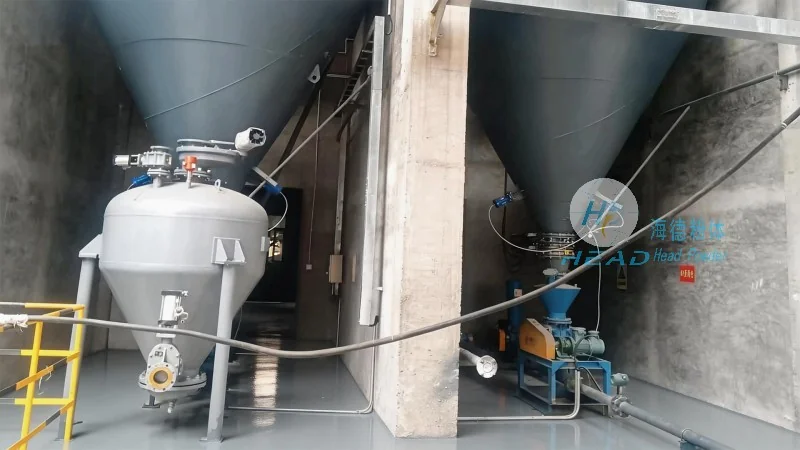
Iron oxide powders, such as hematite or magnetite, are widely used in various industries including pigments, coatings, and ceramics. These materials are often fine and abrasive, making traditional bulk handling methods less suitable. Pneumatic conveying offers a solution by using air to transport the powder through a pipeline system, eliminating the need for mechanical components that could cause contamination or degradation. However, the design of such a system requires careful evaluation of several factors to ensure optimal performance.
Key Factors in Pneumatic Conveying System Design
The first step in designing an iron oxide powder pneumatic conveying system is to assess the material properties. Iron oxide powders typically have a specific gravity ranging from 5 to 5.5 g/cm³ and can vary in particle size distribution. The particle size, moisture content, and flowability are critical parameters that influence the choice of conveying method. For example, fine powders with high moisture content may require a dry material handling approach to prevent caking or blockages in the pipeline.
Next, the system design must consider the required conveying capacity and distance. The capacity is determined by the production rate and the desired throughput, while the distance dictates the pressure drop and the need for additional boosters or vacuum pumps. In many cases, iron oxide powders are transported over short to medium distances, but some applications may involve long-distance transport, necessitating higher air pressures and more robust equipment. The system designer must also evaluate the available power supply and the space constraints at the installation site.
System Components and Selection
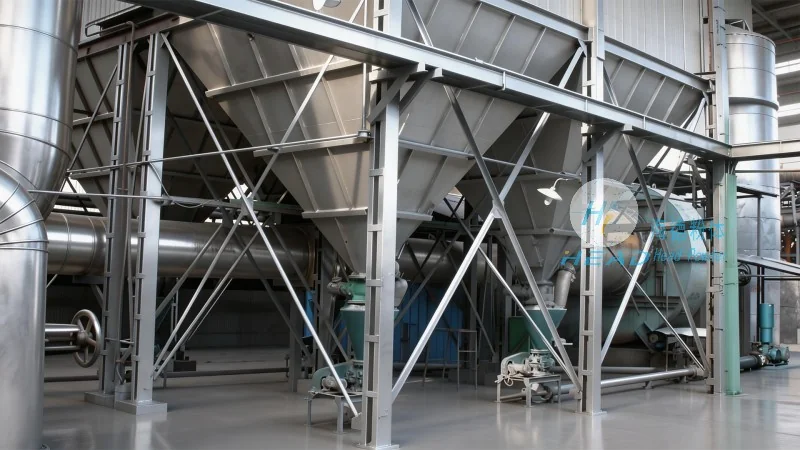
A pneumatic conveying system for iron oxide powder typically consists of several key components, including a feeder, a conveying line, a separator, and a receiver. The feeder is responsible for introducing the powder into the system at a controlled rate, preventing surges or backflow. For iron oxide powders, a rotary valve or a screw feeder is commonly used due to their ability to handle fine materials without causing excessive wear. The conveying line is usually made of stainless steel or PVC to resist corrosion and abrasion from the powder.
The conveying method, either pressure or vacuum, is another critical decision. Pressure conveying uses a positive pressure to push the powder through the system, while vacuum conveying pulls the material using a vacuum pump. The choice depends on the distance, the material properties, and the desired system layout. For short distances and moderate capacities, pressure conveying is often more economical, as it requires less energy and simpler equipment. However, for longer distances or when the material is prone to segregation, vacuum conveying may be more suitable.
Design Considerations for Iron Oxide Powder Handling
When designing a system for iron oxide powder, it is essential to address issues related to dust control and material separation. Iron oxide powders are often fine and can generate significant dust during handling, which poses health and safety risks. Therefore, the system must include dust collection and filtration equipment to ensure compliance with environmental regulations and to protect personnel. The separator, typically a cyclone or a baghouse, is used to separate the powder from the air stream, allowing the powder to be collected in a receiver and the air to be filtered before release.
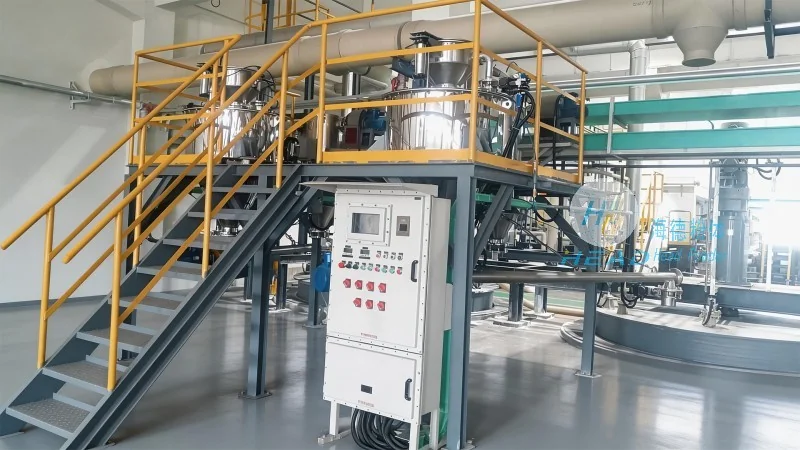
Another important consideration is the prevention of blockages and clogging in the pipeline. Iron oxide powders can be cohesive, especially when exposed to moisture, leading to pipeline blockages that can halt production. To mitigate this, the system may include a de-agglomerator or a vibratory feeder to break up clumps and ensure smooth flow. Additionally, the use of a venturi or a pulse jet system can help maintain the flow by creating a high-velocity air stream that prevents material buildup.
Case Study: A Successful Iron Oxide Powder Pneumatic Conveying System
Shandong HeadPowder Engineering Co., Ltd., a leading provider of powder handling solutions, has successfully designed and implemented a pneumatic conveying system for a client in the pigment industry. The system was required to transport 10 tons of iron oxide powder per hour over a distance of 50 meters. The design included a rotary valve feeder, a stainless steel conveying line, and a cyclone separator. The system operated at a pressure of 0.6 MPa, with a power consumption of approximately 15 kW. The client reported significant improvements in production efficiency, reduced downtime due to blockages, and improved product quality due to better dust control.
Conclusion and Recommendations
Designing a reasonable iron oxide powder pneumatic conveying system requires a comprehensive approach that considers material properties, system capacity, and operational requirements. By carefully evaluating these factors and selecting appropriate components, manufacturers can achieve efficient and reliable material transport while minimizing risks and costs. Shandong HeadPowder Engineering Co., Ltd. specializes in providing customized powder handling solutions tailored to the specific needs of iron oxide powder applications, ensuring optimal performance and long-term reliability.




