

Types and Practical Applications of Pneumatic Conveying Systems for Colored Sand Transport
HeadPowder Engineering Co., Ltd. specializes in providing advanced material handling solutions, with a focus on pneumatic conveying systems designed for colored sand transport. This article examines the different types of pneumatic conveying systems and their practical applications in the industry, highlighting how these technologies enhance efficiency and operational safety.
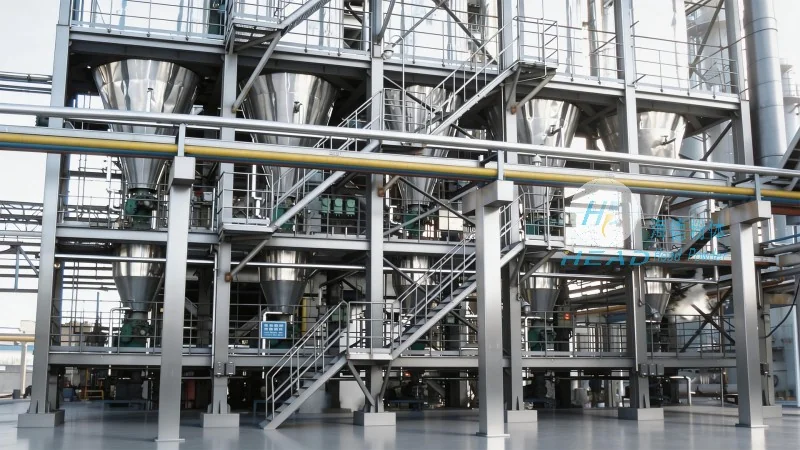
Introduction to Pneumatic Conveying Systems for Colored Sand
Pneumatic conveying systems have become a preferred method for transporting colored sand due to their ability to handle bulk materials efficiently while maintaining product integrity. These systems utilize air or gas to move material through a pipeline, eliminating the need for mechanical components like belts or buckets. The selection of a system type depends on factors such as material characteristics, distance, and the required flow rate, making it essential to understand the options available.
Types of Pneumatic Conveying Systems
Two primary categories of pneumatic conveying systems are commonly used: positive pressure and negative pressure systems. Each type offers distinct advantages and is suited to different operational scenarios in colored sand transport.
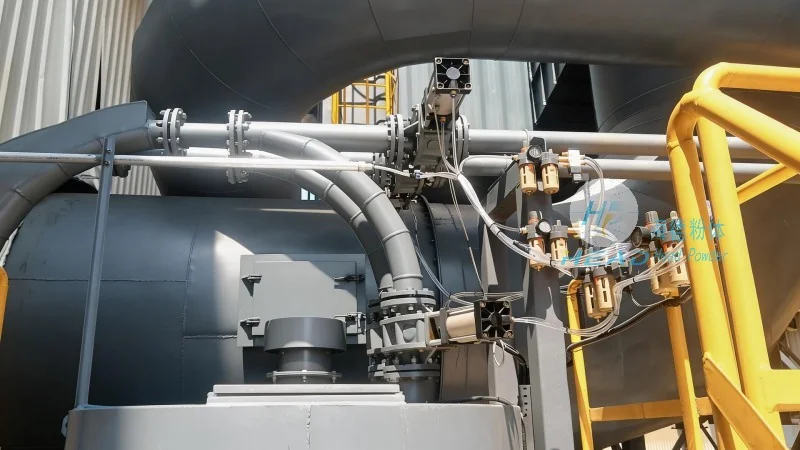
Positive Pressure Pneumatic Conveying Systems
Positive pressure systems operate by blowing air or gas into the material to be conveyed. The material is carried by the air stream through the pipeline to the destination. This type is ideal for short to medium transport distances and is effective for handling abrasive or corrosive colored sand. The system typically includes a blower, a hopper for material storage, and a network of pipelines. Positive pressure systems are recognized for their high conveying capacity, allowing for the efficient movement of large volumes of material while maintaining consistent flow rates.
Negative Pressure Pneumatic Conveying Systems
Negative pressure systems, also known as vacuum systems, operate by creating a vacuum in the pipeline to draw material from the source. The material is pulled through the pipeline by the air flow. These systems are particularly suitable for applications requiring material to be transported from multiple sources or over longer distances. Negative pressure systems excel in environments where dust control is critical, as the material remains contained within the pipeline. However, they generally have lower conveying capacities compared to positive pressure systems, making them more appropriate for specific operational needs.
Practical Applications of Pneumatic Conveying Systems in Colored Sand Transport
The practical applications of pneumatic conveying systems for colored sand span multiple industries, each benefiting from the technology's ability to handle diverse material types and maintain product quality.
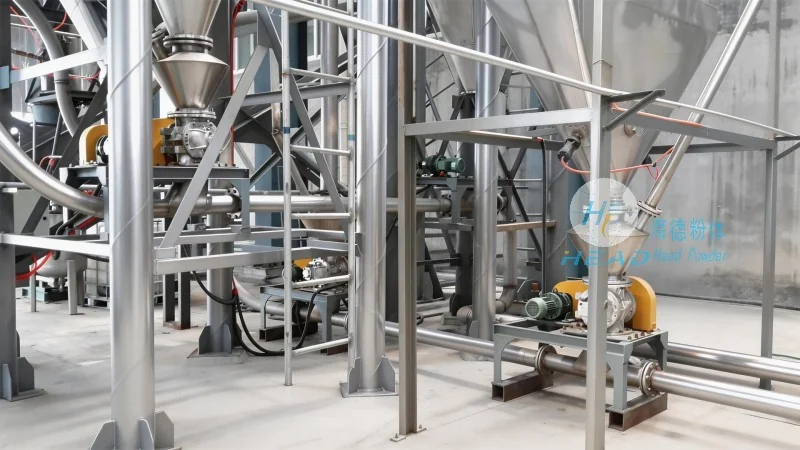
In the construction industry, these systems are widely used to transport colored sand from storage silos to mixing plants or concrete production lines. The ability to handle different colored sand varieties and maintain consistent flow rates is crucial for achieving uniform color in concrete or mortar products, ensuring high-quality end results.
In the manufacturing sector, pneumatic conveying systems are employed in the production of colored glass, ceramics, and paints. Precise control over material flow and particle size ensures high-quality end products. For example, in the production of colored glass, the system can transport colored sand from a storage area to a melting furnace, where it is mixed with other raw materials to create the desired color with minimal variation.
In the mining and processing industry, pneumatic conveying systems are utilized to transport colored sand from mining sites to processing facilities. The systems help reduce the need for manual handling and improve safety by minimizing exposure to dust and other hazards. The efficiency of these systems also contributes to cost savings by reducing material loss and increasing overall throughput, making them a valuable investment for operations.
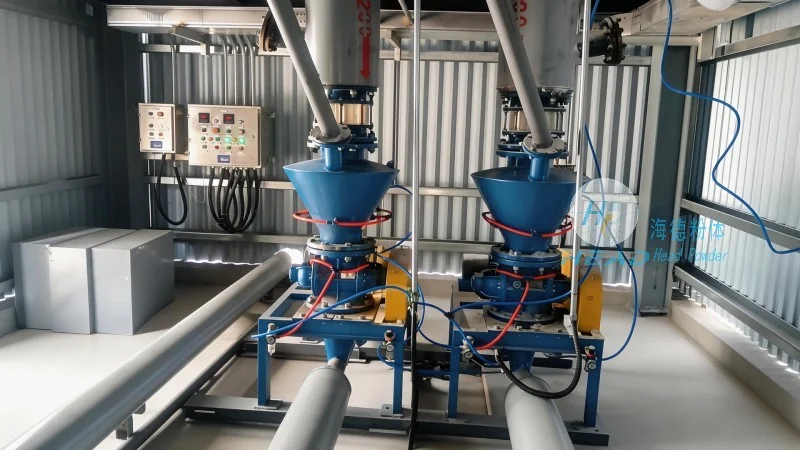
Advantages and Considerations for Pneumatic Conveying Systems
Both positive and negative pressure pneumatic conveying systems offer several advantages for colored sand transport. These include reduced maintenance costs compared to mechanical systems, improved safety by containing dust, and the ability to handle materials with high moisture content or corrosive properties. However, there are also considerations to keep in mind. For instance, the initial investment for pneumatic conveying systems can be higher than traditional methods. Additionally, the system's performance may be affected by changes in material characteristics, such as particle size or moisture content, requiring regular monitoring and adjustments.
Conclusion
HeadPowder Engineering Co., Ltd. provides comprehensive solutions for pneumatic conveying systems tailored to the specific needs of colored sand transport. By understanding the different types of systems and their practical applications, industries can select the most suitable option to enhance efficiency, safety, and product quality. With a focus on innovation and customer satisfaction, HeadPowder continues to deliver reliable and efficient material handling solutions for various applications, supporting the growth and success of businesses in the colored sand industry.