When it comes to transporting carbon fiber materials, selecting the right pneumatic conveying method is crucial for ensuring efficiency, material integrity, and operational safety. Two primary approaches dominate the industry: positive pressure conveying and negative pressure conveying. Each method has distinct characteristics, advantages, and limitations that make them suitable for different applications. This article provides a detailed comparison of these two methods, focusing on their application in carbon fiber handling, and highlights the key factors that influence the choice between them.
Understanding Pneumatic Conveying Fundamentals
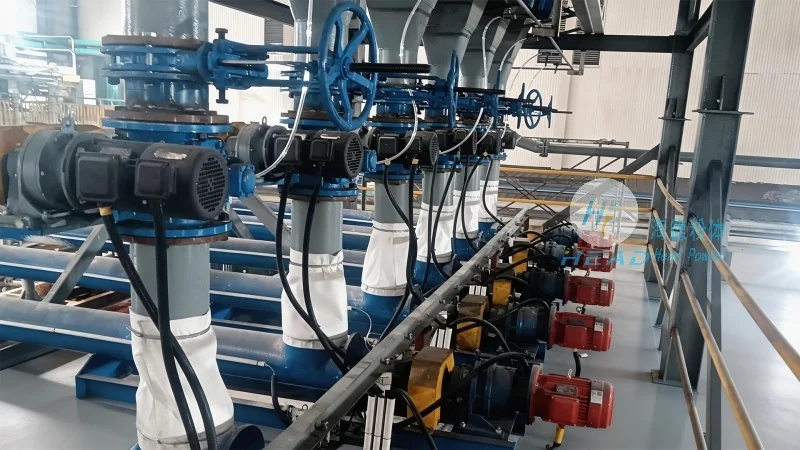
Pneumatic conveying is a technology that uses air or gas to transport bulk materials through a pipeline system. The two main categories are positive pressure and negative pressure systems, which differ in how they generate the necessary air flow and pressure to move the material. Positive pressure systems force air and material through the pipeline, while negative pressure systems draw material into the system using a vacuum.
Positive Pressure Conveying for Carbon Fiber
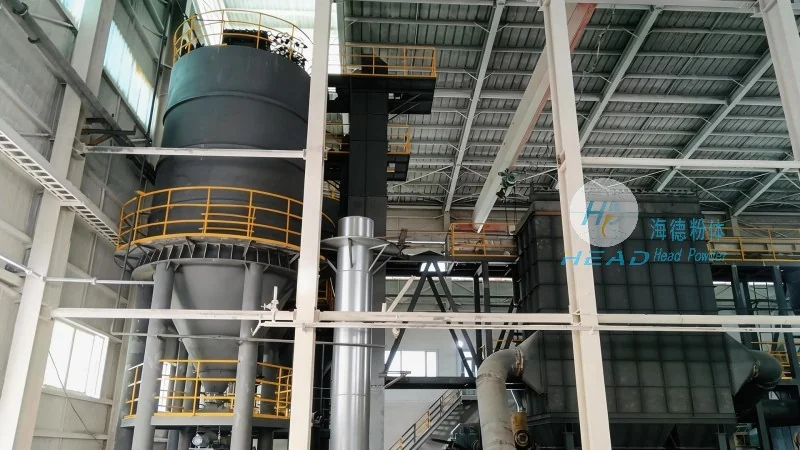
Positive pressure conveying, also known as pressure conveying, operates by blowing air and material through the pipeline under pressure. This method is particularly effective for transporting carbon fiber due to its ability to handle abrasive or fragile materials without causing excessive wear or damage. The high-pressure air stream ensures that the carbon fiber particles are carried efficiently, even in long-distance or complex pipeline configurations. One of the key advantages of positive pressure systems is their ability to maintain consistent material flow rates, which is critical for maintaining the quality of carbon fiber products. Additionally, these systems are generally more suitable for applications where the material needs to be delivered to a specific location under pressure, such as in manufacturing processes where the carbon fiber is used directly in production lines.
Key Features and Benefits of Positive Pressure Conveying
Positive pressure conveying systems typically feature high-pressure blowers or compressors that generate the necessary air flow. The pipeline design often includes a series of bends, valves, and filters to ensure smooth material transport. For carbon fiber applications, the system may incorporate specialized components such as wear-resistant liners to protect against the abrasive nature of the material. The benefits of this method include high conveying capacity, reduced material degradation, and the ability to handle a wide range of particle sizes. Furthermore, positive pressure systems are generally more reliable in terms of maintaining consistent flow, which is essential for maintaining product quality and reducing downtime.
Negative Pressure Conveying for Carbon Fiber
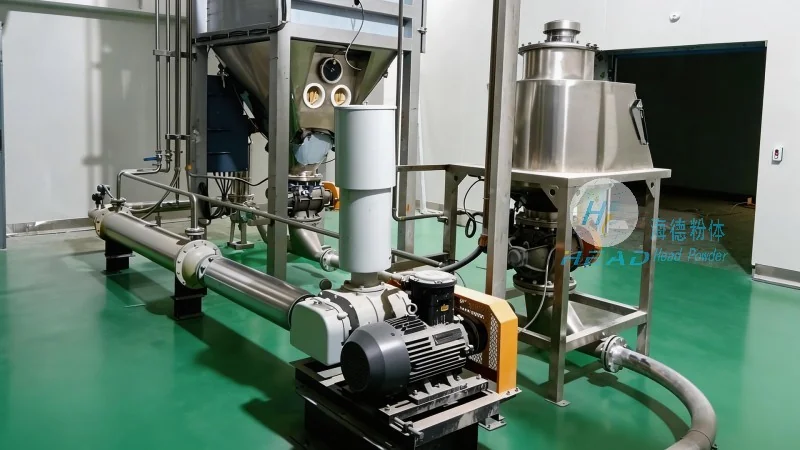
Negative pressure conveying, or vacuum conveying, operates by creating a vacuum in the pipeline to draw material into the system. This method is often preferred for applications where the material needs to be collected from multiple sources or where the environment requires minimal dust emission. For carbon fiber, negative pressure systems can be particularly useful in scenarios where the material is sensitive to high pressures or where the process requires a dust-free environment. The vacuum system draws the carbon fiber particles into the pipeline, and the air flow is then filtered to remove any fine particles before being released back into the atmosphere.
Key Features and Challenges of Negative Pressure Conveying
Negative pressure systems rely on vacuum pumps to create the necessary suction. The pipeline design may include a series of collection points and filters to ensure efficient material intake. For carbon fiber, the main challenges of negative pressure conveying include the potential for material degradation due to prolonged exposure to the vacuum and air flow, as well as the need for more robust filtration systems to prevent dust contamination. Additionally, the conveying capacity of negative pressure systems is generally lower than that of positive pressure systems, making them less suitable for high-volume applications. However, the ability to handle fine or delicate materials without causing excessive wear makes negative pressure systems a viable option for certain carbon fiber applications.
Comparative Analysis: Positive vs. Negative Pressure Conveying
When comparing positive and negative pressure conveying for carbon fiber, several factors must be considered. The choice between the two methods depends on the specific application requirements, such as the distance of transport, the volume of material, and the environmental constraints. Positive pressure systems are generally more suitable for long-distance or high-volume applications due to their higher conveying capacity and ability to maintain consistent flow. They are also more effective in handling abrasive or fragile materials without causing damage. On the other hand, negative pressure systems are better suited for applications where dust control is critical or where the material needs to be collected from multiple sources. The main trade-offs are between capacity and environmental impact, with positive pressure systems offering higher efficiency but potentially higher dust emissions, and negative pressure systems providing better dust control but lower capacity.
Factors Influencing the Choice of Conveying Method
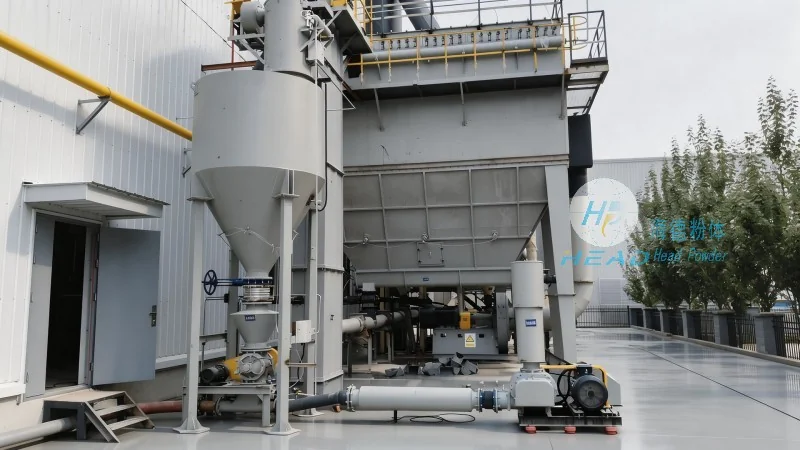
The selection of a pneumatic conveying method for carbon fiber is influenced by several key factors. The first is the material characteristics, including particle size, density, and abrasiveness. Carbon fiber, being a lightweight and abrasive material, requires systems that can handle these properties without causing wear or degradation. The second factor is the distance and complexity of the pipeline. Longer or more complex pipelines may benefit from positive pressure systems due to their ability to maintain pressure and flow. The third factor is environmental considerations, such as dust emission regulations. Negative pressure systems are often preferred in environments where dust control is mandatory. Finally, operational costs and maintenance requirements play a role, with positive pressure systems generally requiring more maintenance due to the higher wear on components.
Conclusion: Tailoring the Conveying System to Carbon Fiber Needs
In conclusion, both positive pressure and negative pressure pneumatic conveying methods have their place in carbon fiber handling. The choice between them depends on the specific application requirements, including material characteristics, transport distance, environmental constraints, and operational efficiency. Positive pressure conveying offers higher capacity and efficiency, making it suitable for high-volume applications, while negative pressure conveying provides better dust control and is ideal for sensitive or fine materials. By understanding the advantages and limitations of each method, manufacturers can select the most appropriate conveying system to ensure efficient, safe, and cost-effective carbon fiber processing. This approach not only enhances operational performance but also contributes to the overall quality and reliability of carbon fiber products.




