When it comes to handling rare earth powders, the design of an efficient and reliable pneumatic conveying system is crucial for ensuring smooth operations and maintaining product quality. As a leading engineering company, Shandong HeadPowder Engineering Co., Ltd. specializes in providing tailored solutions for such systems, leveraging years of experience in the field. This article aims to outline the key considerations and steps involved in designing a reasonable rare earth powder pneumatic conveying system plan, with a focus on practical implementation and optimal performance.
Understanding the Core Requirements for Rare Earth Powder Handling
Before diving into the design process, it is essential to understand the specific characteristics of rare earth powders and the operational demands of the application. Rare earth powders are often fine, abrasive, and can be sensitive to moisture or contamination. These properties directly impact the choice of conveying method, equipment selection, and system configuration. For instance, the particle size distribution, density, and flowability of the powder will determine whether a positive or negative pressure system is more suitable. Additionally, the required conveying distance, throughput capacity, and environmental constraints must be carefully evaluated to avoid system inefficiencies or operational failures.
Key Design Factors in Pneumatic Conveying Systems
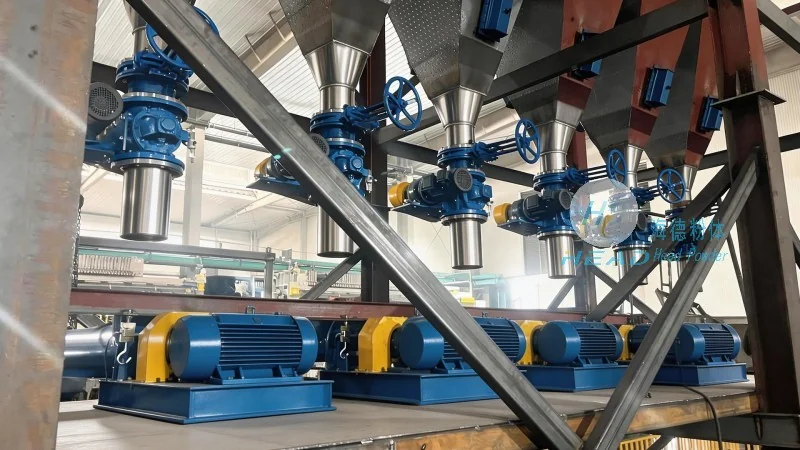
The success of a rare earth powder pneumatic conveying system hinges on several critical design factors. First, the selection of the conveying principle—whether it's a pressure or vacuum system—plays a pivotal role. Pressure systems are generally preferred for long-distance or high-capacity applications, as they can maintain consistent flow and handle abrasive materials effectively. In contrast, vacuum systems are suitable for shorter distances or when the material needs to be transported from multiple sources to a central collection point. The choice of pipeline material is another critical aspect, as rare earth powders can be corrosive or abrasive, requiring materials like stainless steel or special alloys to prevent wear and degradation. Furthermore, the design of the feed and discharge mechanisms is vital to prevent blockages and ensure smooth material transfer. Properly designed feeders, such as rotary valves or screw feeders, help maintain a consistent flow rate, while well-engineered discharge points minimize the risk of material buildup or spillage.
System Layout and Components Integration
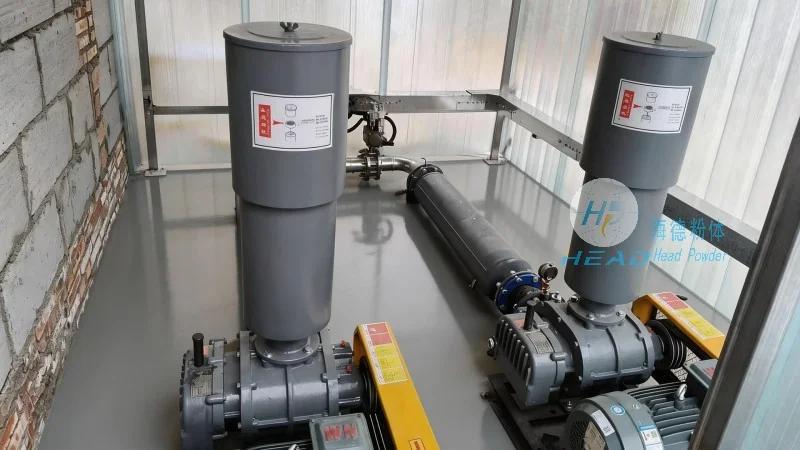
Effective system layout is essential for optimizing the performance of a rare earth powder pneumatic conveying system. The layout should consider the spatial arrangement of the equipment, the flow path of the material, and the integration of auxiliary components like dust collectors and filters. A well-designed layout minimizes the number of bends and changes in direction, which can reduce pressure losses and improve overall efficiency. The integration of dust collection systems is particularly important for rare earth powders, as they can generate significant dust during handling. High-efficiency particulate air (HEPA) filters or baghouse collectors are commonly used to ensure compliance with environmental regulations and maintain a clean working environment. Additionally, the inclusion of pressure relief valves and check valves helps protect the system from overpressure or backflow, enhancing safety and reliability.
Material Handling and Process Optimization
Optimizing the material handling process is a key component of designing a reasonable rare earth powder pneumatic conveying system. This involves selecting the appropriate air velocity and pressure to ensure the powder is conveyed efficiently without causing excessive wear on the equipment. The air velocity must be high enough to keep the powder suspended but low enough to prevent excessive pressure drop and energy consumption. Properly sizing the air compressor or vacuum pump is crucial to meet the system's air demand while maintaining energy efficiency. Moreover, the use of in-line mixers or agitators can help prevent material segregation and ensure uniform flow, which is particularly important for rare earth powders that may have varying particle sizes or densities. Regular maintenance and monitoring of the system parameters, such as pressure, flow rate, and temperature, are also essential to identify and address any issues promptly, ensuring long-term system reliability.
Case Study: Successful Implementation by Shandong HeadPowder Engineering Co., Ltd.
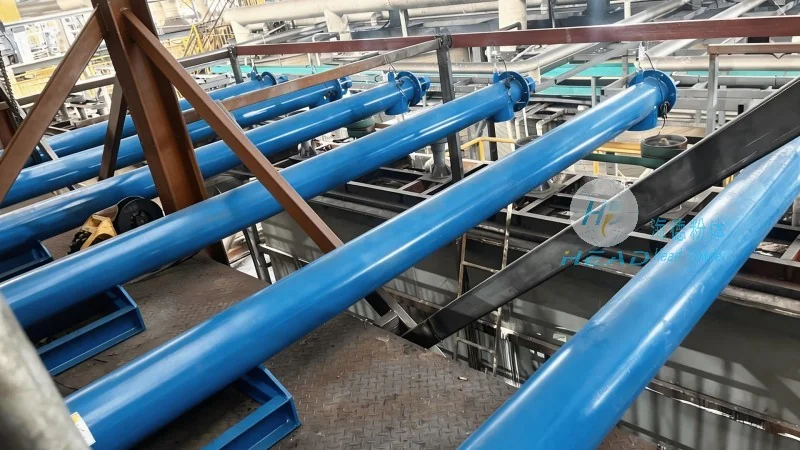
Shandong HeadPowder Engineering Co., Ltd. has successfully implemented numerous rare earth powder pneumatic conveying systems for clients across China. One notable project involved designing a pressure system for a rare earth processing plant in Shandong, China. The system was required to transport fine rare earth powders over a distance of 200 meters with a throughput capacity of 10 tons per hour. The design process involved thorough analysis of the powder characteristics, including particle size (ranging from 10 to 200 microns) and density (approximately 5 g/cm³). The engineers selected a stainless steel pipeline system with a diameter of 150 mm, equipped with rotary feeders and HEPA filters. The system was optimized for air velocity and pressure to minimize energy consumption while ensuring consistent flow. The implementation resulted in a 20% reduction in operating costs compared to traditional methods and improved product quality by reducing contamination and material loss. This case study highlights the importance of a systematic approach to system design and the expertise of specialized engineering firms like Shandong HeadPowder Engineering Co., Ltd.
Conclusion and Recommendations
Designing a reasonable rare earth powder pneumatic conveying system requires a comprehensive understanding of the material properties, operational requirements, and system components. By carefully evaluating the conveying principle, selecting appropriate materials and equipment, and optimizing the system layout, engineers can create a reliable and efficient solution. Shandong HeadPowder Engineering Co., Ltd. offers expert services in designing and implementing such systems, leveraging their experience and technical expertise to meet the specific needs of clients. Whether for new installations or system upgrades, partnering with a specialized engineering company is essential to ensure the success of rare earth powder handling operations. With proper design and implementation, pneumatic conveying systems can significantly enhance productivity, reduce costs, and improve product quality in rare earth powder processing applications.




