

How to Design a Reasonable Glass Particle Pneumatic Conveying System Plan
Designing an efficient and reliable glass particle pneumatic conveying system is crucial for industries handling glass materials. A well-planned system ensures smooth material transport, reduces operational costs, and minimizes downtime. This article outlines key considerations and steps for developing a suitable plan, with insights from Shandong HeadPowder Engineering Co., Ltd., a leading provider in the field.
Understanding the Core Requirements for Glass Particle Pneumatic Conveying
Before initiating the design process, it is essential to analyze the specific characteristics of the glass particles. Factors such as particle size, density, moisture content, and abrasiveness directly impact the system's performance. For instance, fine glass powders may require higher air velocities to prevent clogging, while larger fragments might need more robust feeding mechanisms. Additionally, the distance and elevation changes between the source and destination points dictate the required air pressure and power consumption. Shandong HeadPowder Engineering Co., Ltd. emphasizes that a thorough material analysis is the foundation for an effective design, ensuring that the system is tailored to the unique needs of the application.
Key Components and Equipment Selection in Pneumatic Conveying Systems
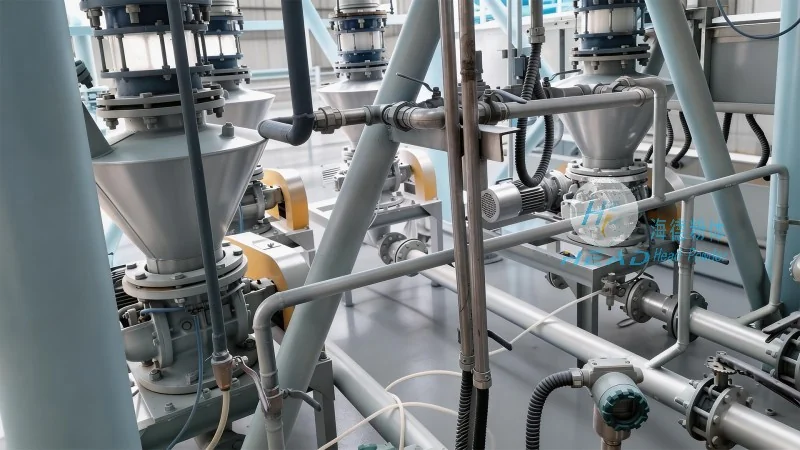
The success of a glass particle pneumatic conveying system hinges on the selection of appropriate components. The primary equipment includes a feeder, which uniformly introduces particles into the air stream; a conveying line, typically made of stainless steel or plastic to withstand abrasion; and a separator, which separates the glass particles from the air at the receiving end. The choice of components depends on the system's operating pressure—low-pressure systems (under 0.5 bar) are suitable for short distances and low-volume applications, while high-pressure systems (up to 10 bar) are ideal for long-distance or high-volume transport. Shandong HeadPowder Engineering Co., Ltd. recommends consulting technical specifications and industry standards to select components that ensure durability and efficiency. For example, a rotary valve feeder is often preferred for its ability to handle varying particle sizes and flow rates, while a cyclone separator provides effective separation with minimal energy loss.
Optimizing Air Flow and Pressure for Efficient Transport
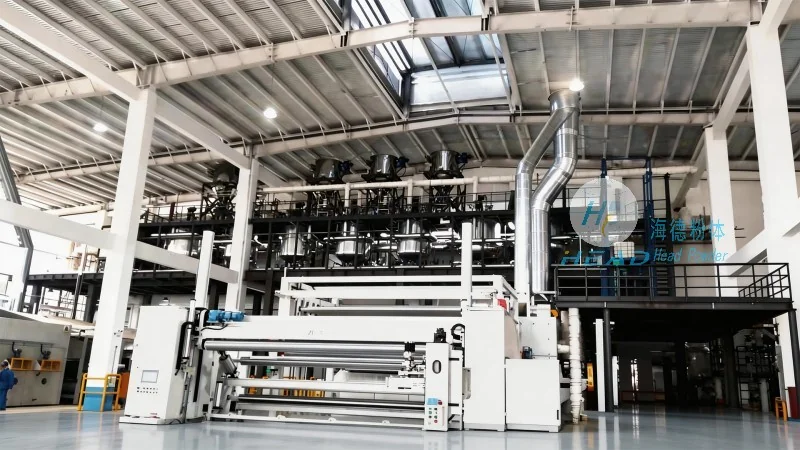
Controlling air flow and pressure is critical to maintaining the efficiency and reliability of a glass particle pneumatic conveying system. The air velocity must be sufficient to keep particles suspended but not excessively high to cause excessive wear on the system components. The optimal air-to-solid ratio (gas-solid ratio) varies based on the particle characteristics and system design. For glass particles, a typical ratio ranges from 6:1 to 12:1, meaning six to twelve times the volume of air is used per unit volume of material. Shandong HeadPowder Engineering Co., Ltd. advises that monitoring and adjusting the air pressure in real-time can prevent issues such as blockages or uneven flow. Advanced control systems, including pressure sensors and flow meters, help maintain consistent performance and detect anomalies promptly. Properly optimized air flow ensures that the system operates within its design parameters, reducing energy consumption and extending the lifespan of equipment.
System Integration and Maintenance Considerations
Integrating the glass particle pneumatic conveying system with existing infrastructure is another important aspect of the design process. Compatibility with the source and destination equipment, such as hoppers, silos, or processing machines, must be ensured to avoid disruptions in the production line. Additionally, the system should be designed with maintenance accessibility in mind. Regular maintenance is essential to prevent wear and tear, and components like filters, seals, and bearings require periodic inspection and replacement. Shandong HeadPowder Engineering Co., Ltd. emphasizes the importance of creating a maintenance schedule that aligns with the system's operating hours and usage patterns. By prioritizing preventive maintenance, industries can minimize unexpected breakdowns and extend the operational life of the conveying system.
Case Study: A Successful Glass Particle Pneumatic Conveying Implementation
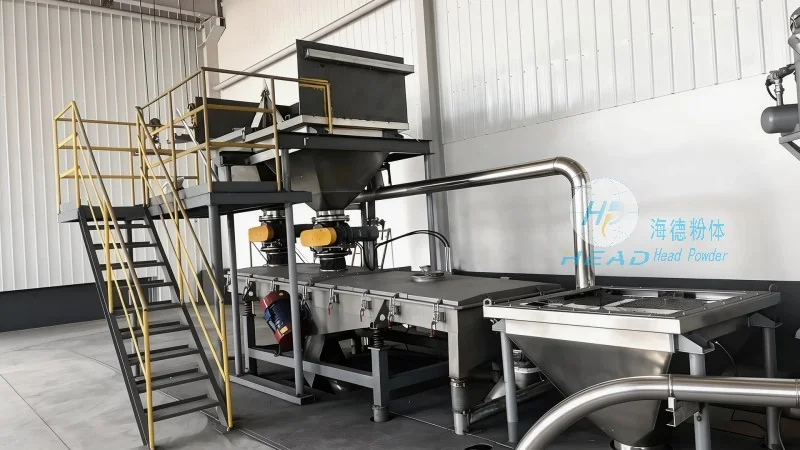
For instance, a manufacturing facility in China utilized a customized pneumatic conveying system designed by Shandong HeadPowder Engineering Co., Ltd. to transport fine glass powders from a production line to a storage silo. The system was designed with a low-pressure, positive-pressure configuration, featuring a rotary valve feeder and a cyclone separator. By optimizing the air-to-solid ratio and monitoring pressure levels, the facility achieved a 20% reduction in energy consumption compared to traditional methods. The system also reduced material loss by 15%, as fine particles that previously escaped through the system were effectively captured. This case study highlights the importance of a well-designed plan in achieving operational efficiency and cost savings.
Conclusion: The Role of Expertise in Designing Glass Particle Pneumatic Conveying Systems
Designing a reasonable glass particle pneumatic conveying system requires a comprehensive understanding of material characteristics, equipment capabilities, and operational requirements. Shandong HeadPowder Engineering Co., Ltd. brings years of experience and technical expertise to help industries develop tailored solutions that meet their specific needs. By following the key considerations outlined in this article—such as thorough material analysis, appropriate equipment selection, optimized air flow, and proper maintenance—companies can ensure the long-term success and reliability of their pneumatic conveying systems. The goal is to create a system that not only efficiently transports glass particles but also contributes to overall operational efficiency and cost-effectiveness.