When it comes to transporting latex powder, the choice of conveying system is critical for efficiency, safety, and product integrity. Pneumatic conveying systems have emerged as a preferred solution in the industry, offering advantages such as reduced dust generation, improved hygiene, and the ability to handle a wide range of powder characteristics. This article explores the different types of pneumatic conveying systems commonly used for latex powder handling and their practical applications, highlighting how these technologies can enhance operational performance in industrial settings.
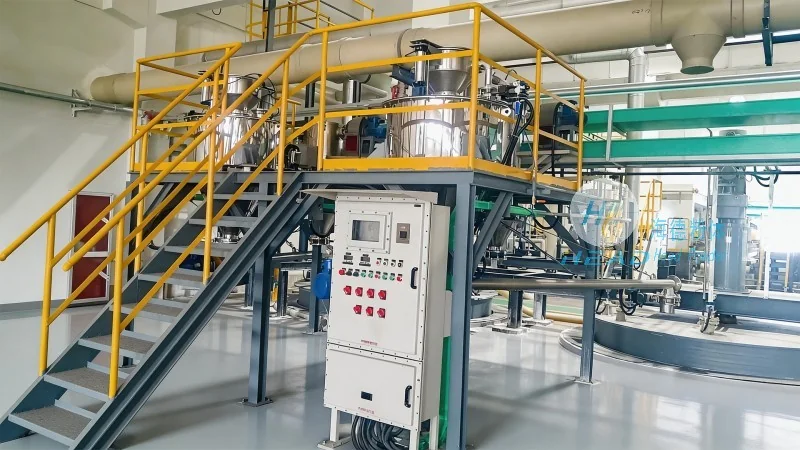
Types of Pneumatic Conveying Systems for Latex Powder
There are several key types of pneumatic conveying systems tailored for latex powder applications. The selection of a system depends on factors like the powder's properties, the distance to be conveyed, and the required flow rate. The primary categories include:
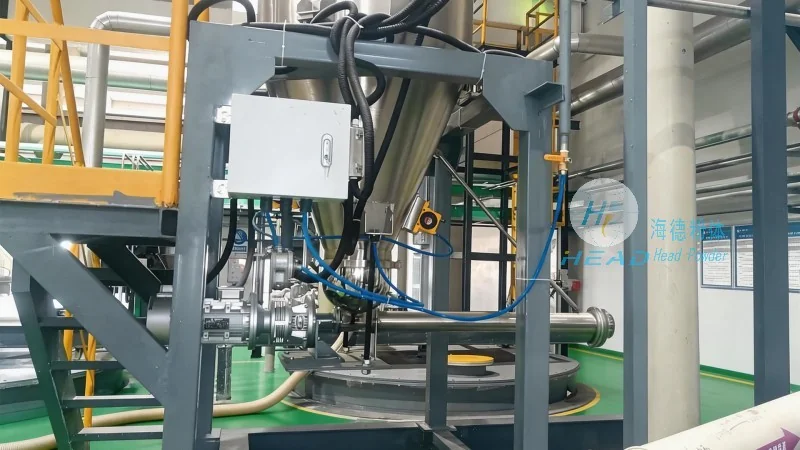
- Positive Pressure Conveying: This system uses a positive pressure to push the powder through a pipeline. It is suitable for short to medium distances and can handle abrasive or sticky powders. The air is introduced at the inlet, creating a pressure differential that moves the material.
- Negative Pressure (Vacuum) Conveying: In this setup, a vacuum is created at the receiving end to draw the powder into the system. It is ideal for long-distance or multiple-point collection, as it can pull material from various sources to a central collection point.
- Mixing-Pressure Conveying: A hybrid approach combining elements of both positive and negative pressure. It uses a combination of pressure and vacuum to optimize flow and reduce energy consumption, making it versatile for varying operational conditions.
Practical Applications in the Latex Powder Industry
Pneumatic conveying systems find extensive use in various stages of latex powder processing. For instance, in manufacturing plants, these systems are employed to transport raw latex powder from storage silos to processing lines, ensuring a continuous and controlled feed. During the production of latex products, such as gloves or adhesives, pneumatic conveyors help move the powder to mixing and compounding equipment, maintaining consistent quality and reducing downtime.
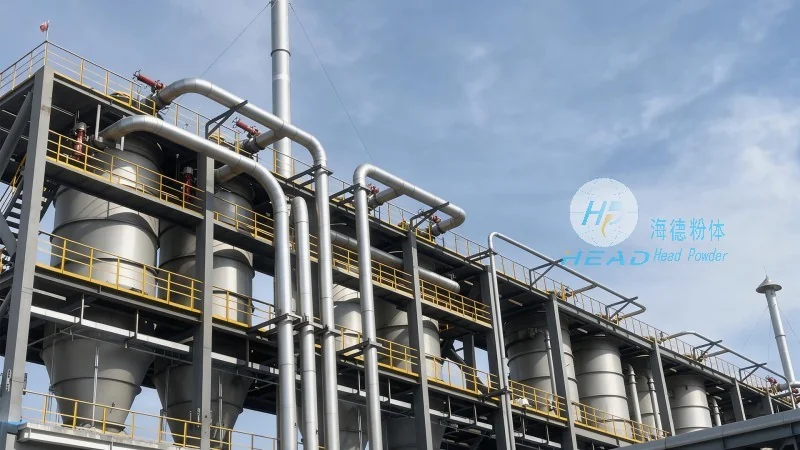
In the packaging phase, pneumatic systems are used to transfer latex powder into containers or bags, minimizing product loss and contamination. Additionally, in quality control and testing, these systems facilitate the transport of sample powders to analysis labs, enabling rapid and accurate testing of powder properties like moisture content and particle size.
Key Considerations for Selecting the Right System
When choosing a pneumatic conveying system for latex powder, several factors must be considered. The first is the powder's physical characteristics, including its density, flowability, and potential for caking or agglomeration. Systems must be designed to handle these properties without causing blockages or degradation. Second, the conveying distance and layout of the facility are critical. Longer distances may require higher pressure or more complex system designs. Third, energy efficiency and operational costs are important, as pneumatic systems can be energy-intensive. Finally, compliance with safety and hygiene standards, such as those related to dust control and product purity, must be ensured.
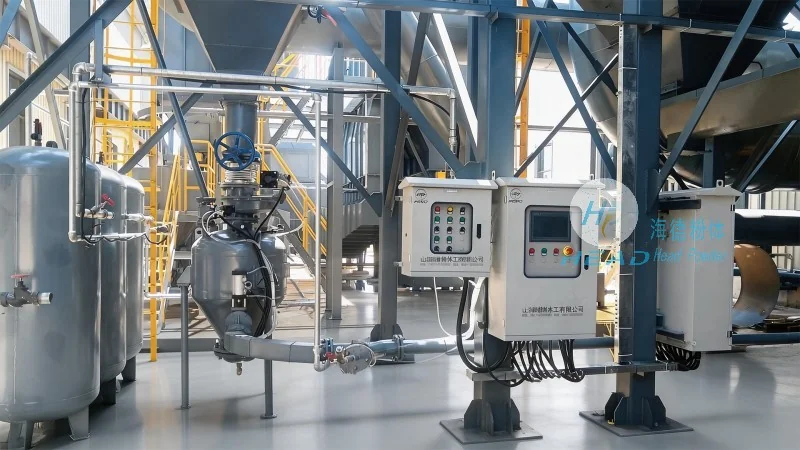
About Shandong HeadPowder Engineering Co., Ltd.
Shandong HeadPowder Engineering Co., Ltd., operating under the brand name headpowder, is a leading provider of specialized engineering solutions for powder handling, including pneumatic conveying systems. With a focus on innovation and customer-centric design, the company has developed advanced systems tailored to the unique needs of the latex powder industry. HeadPowder's expertise lies in designing and manufacturing systems that enhance efficiency, safety, and product quality, helping clients achieve their operational goals while adhering to industry standards. The company's facilities are located in Shandong, China, where it leverages local resources and expertise to deliver high-quality solutions to global markets.




