HeadPowder, a leading engineering company based in Shandong, China, specializes in the design and implementation of advanced material handling solutions. Among their diverse applications, the efficient transport of copper sulfate through pneumatic conveying systems is a critical area of expertise. This article explores the various types of pneumatic conveying systems used for copper sulfate transport and their practical applications in industrial settings.
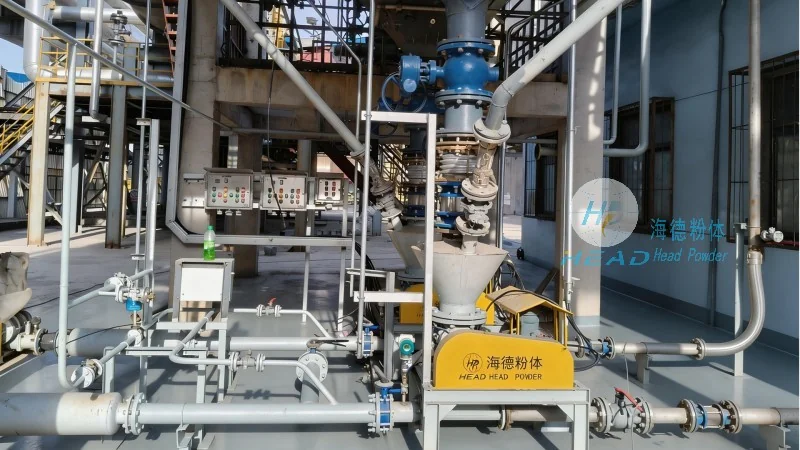
Characteristics of Copper Sulfate and Its Handling Challenges
Copper sulfate, also known as cupric sulfate, is a common inorganic compound widely used in agriculture, water treatment, and chemical manufacturing. Its handling presents unique challenges due to its granular or crystalline form, which can be hygroscopic and prone to dust generation. Traditional bulk material handling methods, such as belt conveyors or bucket elevators, may not be suitable for copper sulfate due to the risk of dust exposure and material degradation. Pneumatic conveying systems offer a more controlled and efficient alternative by transporting the material in a sealed environment, minimizing dust and ensuring product integrity.
Types of Pneumatic Conveying Systems for Copper Sulfate
There are several types of pneumatic conveying systems suitable for copper sulfate transport, each with distinct characteristics and applications. The primary categories include positive pressure systems, negative pressure (vacuum) systems, and hybrid systems. Positive pressure systems use compressed air to push the material through the pipeline, while negative pressure systems use a vacuum to draw the material into the system. Hybrid systems combine both approaches to optimize performance and energy efficiency.
Positive pressure systems are often preferred for copper sulfate transport due to their ability to handle high material loads and long distances. These systems typically use rotary air locks or star valves to control the flow of material and prevent backflow. The compressed air is introduced at the material feed point, creating a positive pressure that propels the copper sulfate through the pipeline. This method is particularly effective for applications requiring high throughput and minimal pressure drop.
Negative pressure systems, on the other hand, are suitable for applications where dust control is paramount, such as in pharmaceutical or food processing industries. These systems use a vacuum at the discharge end to draw the material into the pipeline. The vacuum is maintained by a fan or blower located at the receiving end, which creates a pressure differential that pulls the copper sulfate from the source. Negative pressure systems are ideal for handling fine powders or materials that are sensitive to compression or abrasion.
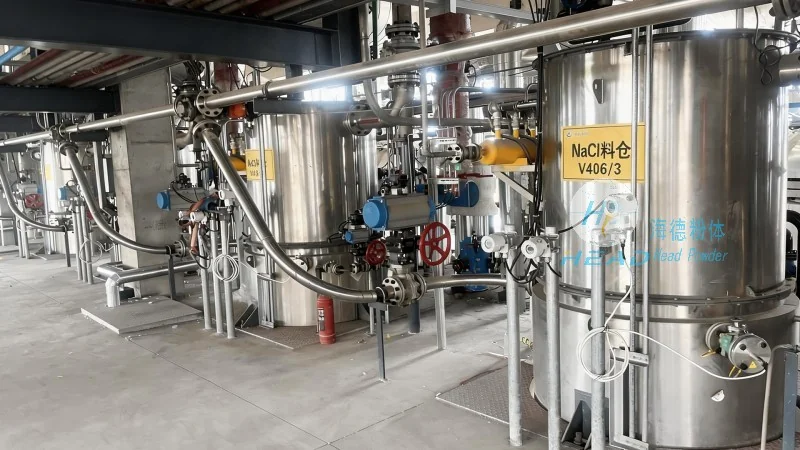
Hybrid systems, which combine positive and negative pressure principles, offer flexibility in handling varying material characteristics and system configurations. These systems can use positive pressure at the feed point to push the material and negative pressure at the discharge point to control the flow. This approach allows for efficient transport over long distances while maintaining low pressure differentials, reducing energy consumption and wear on system components.
Practical Applications of Pneumatic Conveying Systems in Copper Sulfate Handling
Pneumatic conveying systems for copper sulfate find widespread use in various industrial applications. One common application is in the agricultural sector, where copper sulfate is used as a fungicide and algaecide. The systems are used to transport the material from storage silos to application equipment, such as sprayers or spreaders. This ensures a consistent and controlled delivery of the product, reducing the risk of over or under-application.
In water treatment facilities, copper sulfate is used to control algae growth in reservoirs and lakes. Pneumatic conveying systems are employed to transport the material from storage tanks to dosing equipment, which injects the copper sulfate into the water treatment process. The systems must be designed to handle the corrosive nature of copper sulfate and ensure that the material is delivered accurately and without contamination.
In chemical manufacturing, copper sulfate is used as a catalyst or raw material in the production of other chemicals. Pneumatic conveying systems are used to transport the material from raw material storage to processing units, such as reactors or mixers. These systems must be capable of handling high material loads and maintaining a consistent flow rate to ensure efficient production processes.
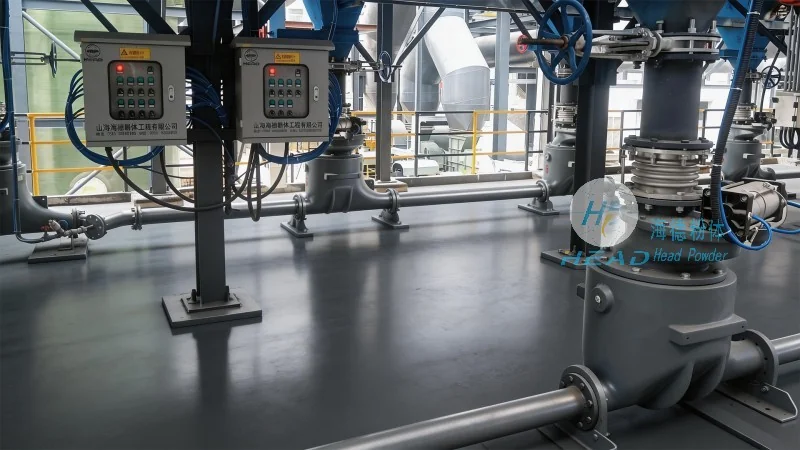
Additionally, in mining operations, copper sulfate is used as a leaching agent in the extraction of copper from ore. Pneumatic conveying systems are used to transport the material from storage to the leaching tanks. The systems must be designed to handle the abrasive nature of the ore and the corrosive properties of the copper sulfate solution, ensuring long-term durability and reliability.
Advantages of Pneumatic Conveying Systems for Copper Sulfate Transport
Pneumatic conveying systems offer several advantages over traditional material handling methods for copper sulfate transport. One of the key benefits is the ability to handle the material in a sealed environment, which minimizes dust exposure and reduces the risk of contamination. This is particularly important in applications where the copper sulfate is used in food or pharmaceutical products, where hygiene is critical.
Another advantage is the efficiency and speed of material transport. Pneumatic systems can move large quantities of copper sulfate over long distances in a short period, reducing downtime and increasing productivity. The systems are also flexible, allowing for easy integration with existing production lines and equipment.
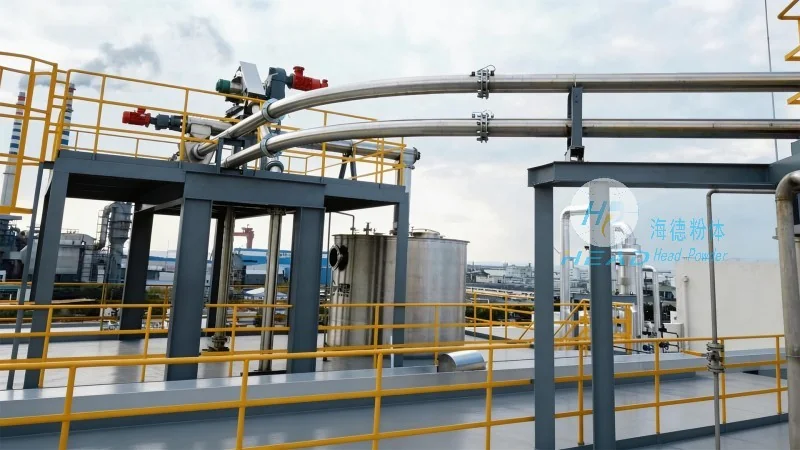
Energy efficiency is another significant advantage of pneumatic conveying systems. By optimizing the pressure and flow rates, these systems can reduce energy consumption compared to traditional methods. This not only lowers operating costs but also contributes to environmental sustainability by reducing carbon emissions.
Furthermore, pneumatic conveying systems are low maintenance and require minimal downtime for repairs. The components, such as rotary air locks and valves, are designed to withstand the abrasive and corrosive nature of copper sulfate, ensuring long service life. This reduces the overall cost of ownership and increases the reliability of the system.
Conclusion and Recommendations
HeadPowder, with its expertise in material handling engineering, provides comprehensive solutions for copper sulfate transport using pneumatic conveying systems. By understanding the characteristics of copper sulfate and selecting the appropriate system type, industrial facilities can achieve efficient, safe, and cost-effective material handling. Whether for agricultural, water treatment, chemical manufacturing, or mining applications, pneumatic conveying systems offer a reliable and sustainable solution for copper sulfate transport.
For more information on pneumatic conveying systems for copper sulfate transport, contact HeadPowder, a leading engineering company based in Shandong, China. Their team of experts can assist in designing and implementing customized solutions tailored to specific industrial needs.




