Efficient material handling is a critical factor in the production and distribution of expanded clay aggregate (ECA), commonly known as expanded clay aggregate. Among the various methods available, pneumatic conveying systems have emerged as a reliable and versatile solution for transporting ECA over short to medium distances. This article explores the different types of pneumatic conveying systems used in ECA transport and their practical applications, highlighting the advantages and considerations for each system.
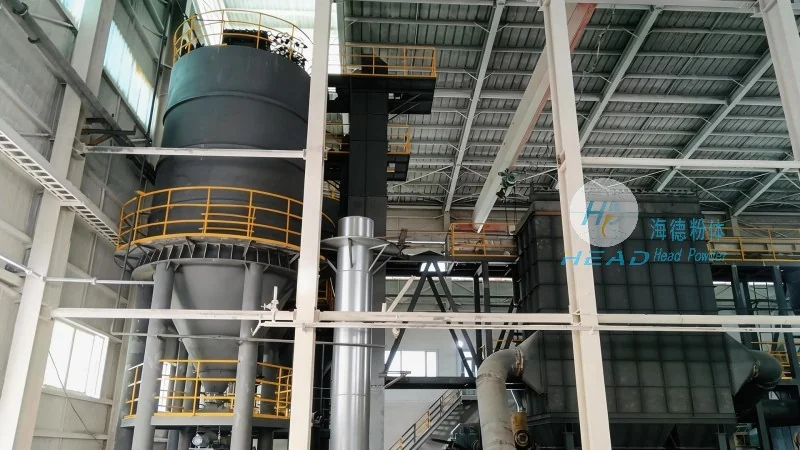
Overview of Pneumatic Conveying Systems for ECA Transport
Pneumatic conveying systems utilize air or gas to transport bulk materials like ECA through a pipeline network. These systems are widely adopted in the construction and industrial sectors due to their ability to handle abrasive materials, maintain product integrity, and minimize dust emissions. The choice of system depends on factors such as the distance of transport, material characteristics, and operational requirements.
Types of Pneumatic Conveying Systems
There are primarily two types of pneumatic conveying systems: pressure and vacuum systems. Each type has distinct characteristics and is suitable for different scenarios.
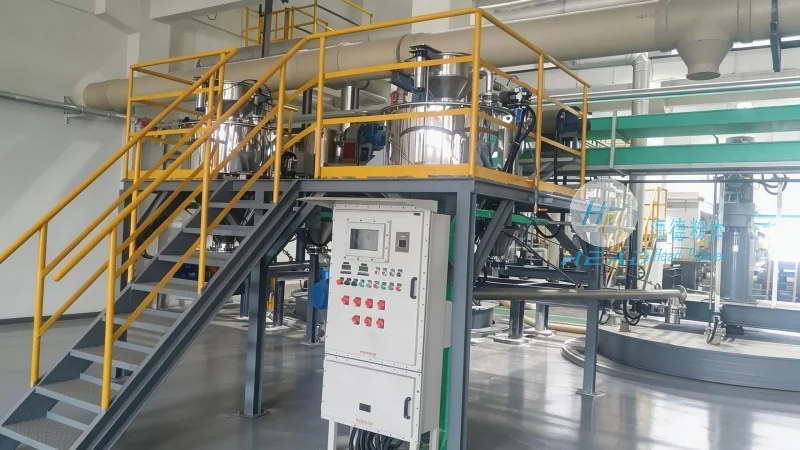
1. Pressure Pneumatic Conveying Systems
Pressure systems operate by blowing air or gas into the material to create a positive pressure within the pipeline. This method is ideal for short to medium-distance transport, typically up to 100 meters. The system consists of a blower, a hopper, and a pipeline with a discharge point. The pressure created by the blower forces the ECA to move through the pipeline. Pressure systems are suitable for transporting ECA from a storage silo to a mixing plant or a batching system. They are also effective for handling materials that are prone to caking or agglomeration.
2. Vacuum Pneumatic Conveying Systems
Vacuum systems, on the other hand, create a negative pressure in the pipeline by drawing air out of the system. This method is commonly used for longer distances, up to several hundred meters, and is particularly effective for transporting ECA from a remote source to a processing facility. The system includes a vacuum pump, a collection hopper, and a pipeline with an inlet point. The vacuum pulls the ECA into the pipeline, ensuring a continuous flow. Vacuum systems are advantageous for applications where the material needs to be transported from multiple points or where the discharge point is lower than the inlet.
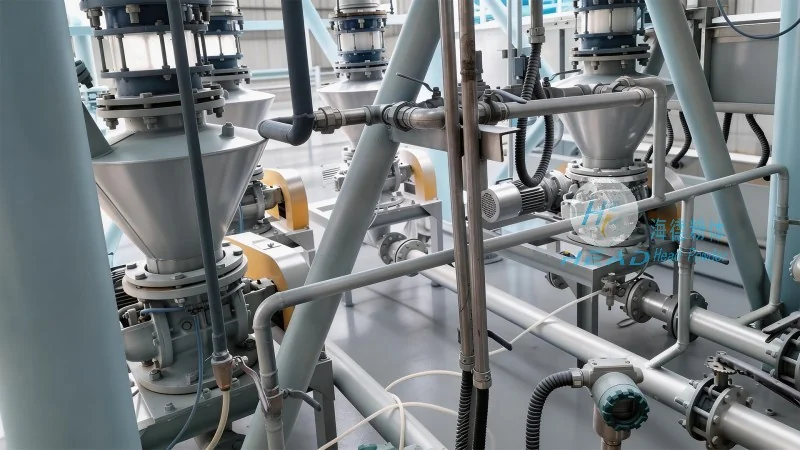
Practical Applications of Pneumatic Conveying Systems
The practical applications of pneumatic conveying systems for ECA transport vary across different industries. In the construction industry, these systems are used to supply ECA to concrete mixing plants, ensuring a consistent and dust-free feed. In the industrial sector, they are employed in the production of lightweight concrete, where ECA is mixed with other aggregates to achieve specific density and strength characteristics. Additionally, pneumatic conveying systems are utilized in the manufacturing of insulation materials, where ECA is blended with other components to create high-performance insulation products.
Advantages and Considerations for ECA Transport
Both pressure and vacuum pneumatic conveying systems offer several advantages for ECA transport. These include reduced labor costs, improved safety by minimizing manual handling, and enhanced product quality by preventing contamination and dust exposure. However, there are also considerations to keep in mind. For instance, pressure systems may require higher energy consumption compared to vacuum systems, and they are less suitable for long-distance transport due to pressure drop issues. Vacuum systems, while more energy-efficient for long distances, may have limitations in handling highly abrasive materials or materials that tend to settle in the pipeline.
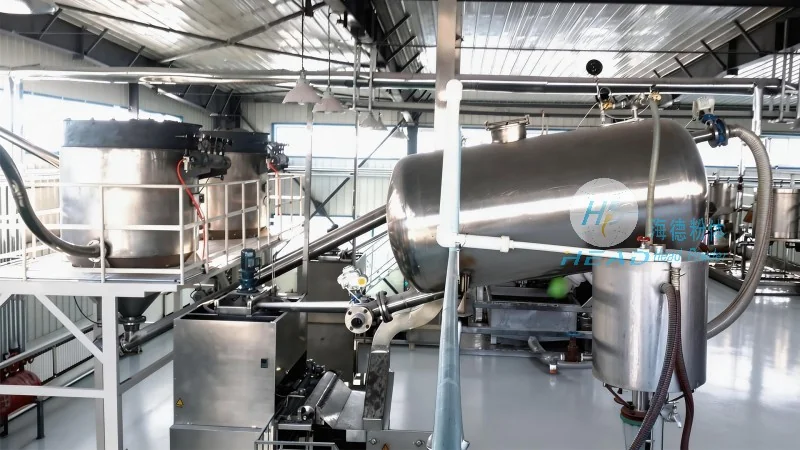
Conclusion
Pneumatic conveying systems are a vital component in the efficient and reliable transport of expanded clay aggregate. By understanding the different types of systems and their practical applications, industries can select the most appropriate solution for their specific needs. Whether it's a short-distance transport to a mixing plant or a long-distance delivery to a processing facility, pneumatic conveying systems provide a robust and flexible approach to handling ECA. As the demand for lightweight and sustainable construction materials continues to grow, the role of pneumatic conveying systems in ECA transport will remain crucial in meeting industry requirements.
About Shandong HeadPowder Engineering Co., Ltd.
Shandong HeadPowder Engineering Co., Ltd., operating under the brand name HeadPowder, is a leading provider of material handling solutions for the construction and industrial sectors. With a focus on innovation and quality, HeadPowder specializes in designing and manufacturing pneumatic conveying systems tailored to the unique needs of ECA transport. The company's headquarters is located in Shandong, China, and it serves clients globally with expertise in system design, installation, and maintenance. HeadPowder's commitment to customer satisfaction and technological advancement ensures that clients receive reliable and efficient solutions for their material handling challenges.




