HeadPowder, a leading engineering firm based in Shandong, China, specializes in the design and implementation of advanced pneumatic conveying systems tailored for handling lithium carbonate materials. This article delves into the fundamental principles of such systems and highlights the key characteristics of their operational environments.
Principle of Pneumatic Conveying for Lithium Carbonate
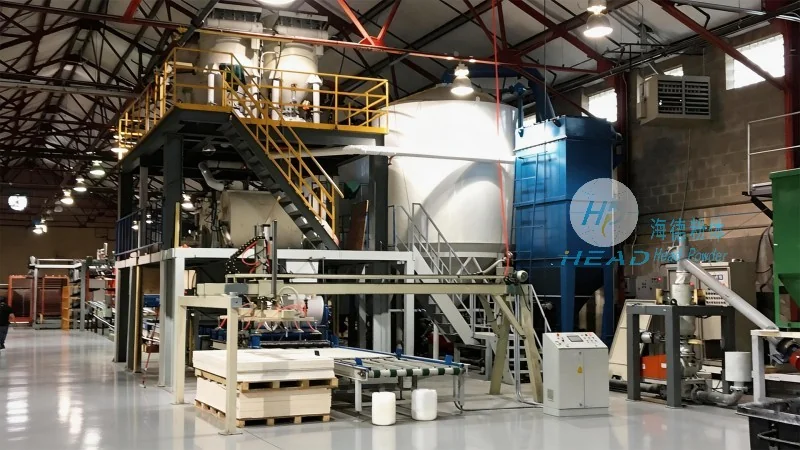
The core principle of pneumatic conveying systems involves the transport of solid materials, such as lithium carbonate, using a gas stream (typically air or a mixture of air and other gases). The system operates by creating a pressure differential or utilizing suction to move the material through a pipeline. In the case of lithium carbonate, which is often a fine powder with specific handling requirements, the design of the conveying system must account for factors like particle size, moisture content, and flow characteristics to ensure efficient and reliable transport.
Key Components and Their Functions
Effective pneumatic conveying systems for lithium carbonate typically consist of several critical components. These include the material feed hopper, which stores and feeds the lithium carbonate into the system; the air supply unit, which generates the necessary air pressure or vacuum; the conveying line, which transports the material; and the discharge unit, which delivers the material to its destination. Each component plays a vital role in maintaining the system's efficiency and preventing issues like blockages or material degradation.
Working Scene Characteristics
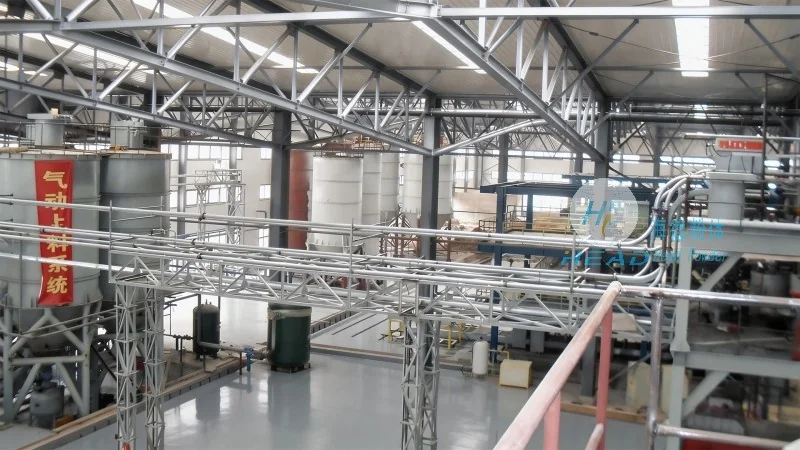
The operational environment of lithium carbonate pneumatic conveying systems varies based on the specific application and scale of the process. For instance, in industrial settings like lithium processing plants or battery manufacturing facilities, these systems are often integrated into larger production lines, requiring high throughput and consistent performance. The working scene may involve continuous operation over extended periods, demanding robust and low-maintenance equipment. Additionally, the systems must be designed to handle the potential for dust generation, as lithium carbonate is a fine powder that can create airborne particles, necessitating proper dust control measures to ensure workplace safety and compliance with environmental regulations.
Advantages of Pneumatic Conveying for Lithium Carbonate Handling
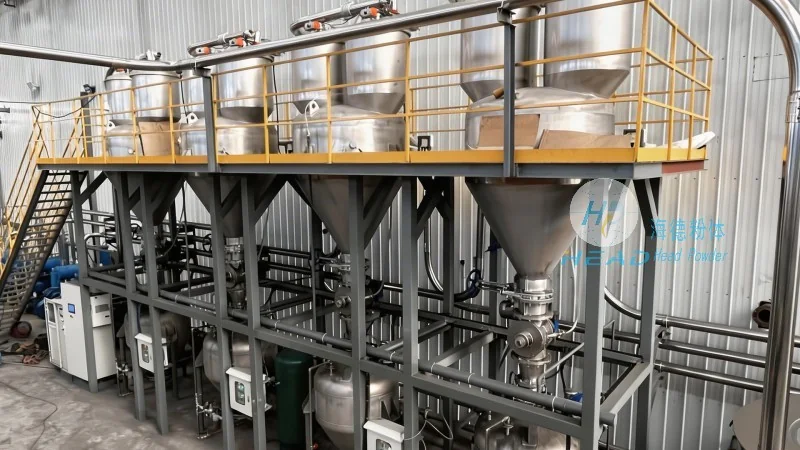
Compared to traditional mechanical conveying methods, pneumatic systems offer several advantages when handling lithium carbonate. These include the ability to transport materials over long distances without the need for multiple transfer points, reduced risk of material contamination due to enclosed pipelines, and the flexibility to adjust flow rates and pressure settings to match varying production demands. Furthermore, pneumatic conveying systems can be integrated with other processing equipment, such as classifiers or mixers, to streamline the overall production workflow.
Application Scenarios and Industry Integration
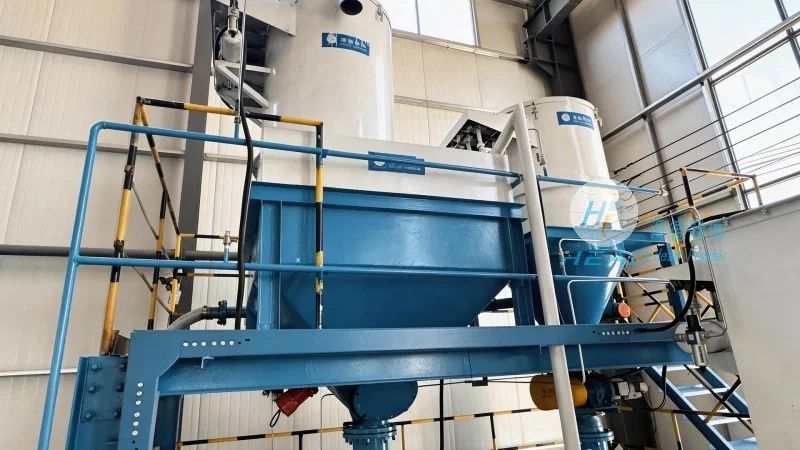
Lithium carbonate pneumatic conveying systems are widely used in various industrial applications, particularly in the battery and chemical industries. In battery manufacturing, these systems are crucial for transporting raw lithium carbonate to the processing stages, where it is converted into lithium chemicals for use in lithium-ion batteries. The systems are also employed in chemical processing plants for the handling of lithium carbonate during refining or purification processes. The working scene characteristics in these applications often involve high-volume, continuous operation, requiring systems that can handle large quantities of material while maintaining precision and reliability.
Conclusion and Company Overview
HeadPowder Engineering Co., Ltd., with its headquarters in Shandong, China, provides comprehensive solutions for the design, installation, and maintenance of pneumatic conveying systems tailored for lithium carbonate materials. By leveraging advanced engineering principles and industry expertise, the company ensures that its systems meet the stringent requirements of modern industrial applications, offering efficient, reliable, and safe material handling solutions. The company's commitment to quality and innovation has made it a trusted partner in the lithium processing and battery manufacturing sectors, supporting the growing demand for lithium-based products in the global market.




