For industries dealing with PVC particles, efficient and reliable material handling is crucial. Pneumatic conveying systems have emerged as a preferred solution for transporting PVC granules due to their ability to handle various particle sizes, shapes, and flow characteristics. This article explores the different types of pneumatic conveying systems used in PVC particle transport and their practical applications, highlighting the expertise of Shandong HeadPowder Engineering Co., Ltd. in providing tailored solutions for industrial needs.
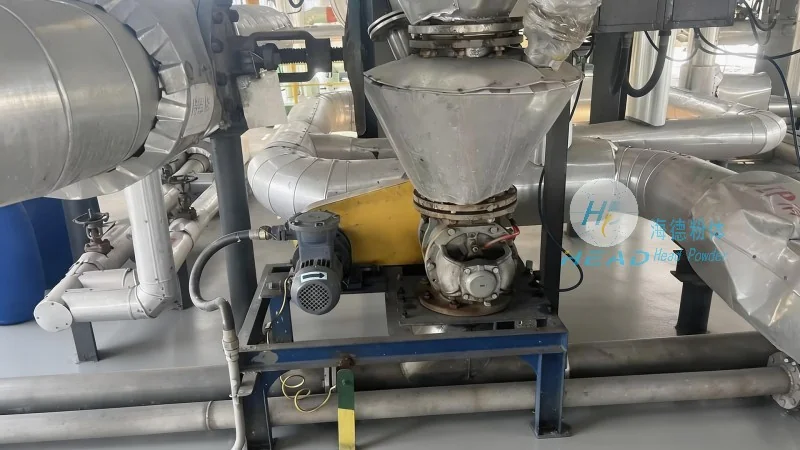
Types of Pneumatic Conveying Systems for PVC Particle Transport
There are primarily two main categories of pneumatic conveying systems: pressure and vacuum systems. Each type has distinct characteristics and is suitable for different operational requirements in PVC particle handling.
1. Pressure Pneumatic Conveying Systems: These systems operate by pushing material through a pipeline using compressed air or gas. The pressure is maintained at a level higher than the ambient air pressure. Pressure systems are ideal for long-distance transport and can handle abrasive or corrosive materials like PVC particles. They are often used in applications where the material needs to be transported from a central storage to multiple processing points. The compressed air acts as the motive force, ensuring consistent flow and preventing material degradation.
2. Vacuum Pneumatic Conveying Systems: In contrast, vacuum systems draw material into the pipeline using a vacuum created by a fan or ejector. The system operates at a pressure lower than the ambient air pressure. Vacuum systems are suitable for short-distance transport and are commonly used for loading or unloading operations. They are particularly effective when the material is to be collected from multiple sources and transported to a central processing unit. The low-pressure environment minimizes the risk of material spillage and ensures a gentle handling process for PVC granules.
Practical Applications of Pneumatic Conveying Systems in PVC Particle Handling
Shandong HeadPowder Engineering Co., Ltd. has extensive experience in implementing pneumatic conveying solutions for PVC particle transport across various industries. The practical applications of these systems include:
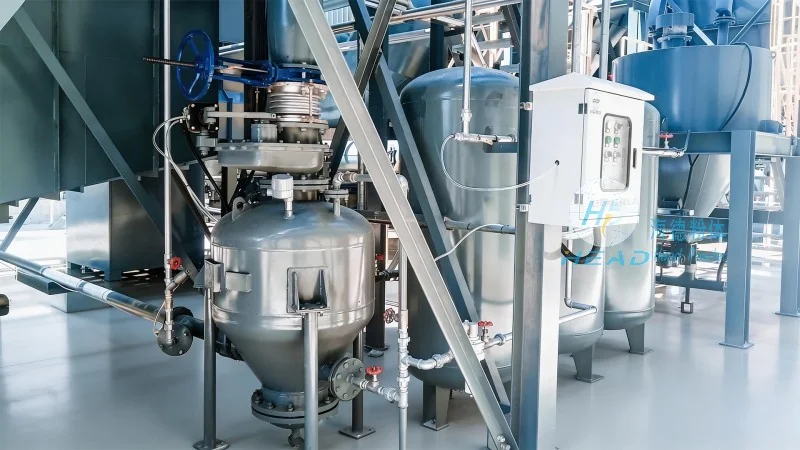
1. Manufacturing Facilities: In PVC production plants, pneumatic conveying systems are used to transport raw PVC granules from storage silos to processing equipment such as extruders and mixers. The systems ensure a continuous and controlled flow of material, reducing downtime and improving production efficiency. The pressure systems are often preferred here due to the need for long-distance transport within the plant.
2. Recycling Operations: For PVC recycling facilities, pneumatic conveying helps in transporting recycled PVC particles from collection points to processing units. The systems can handle mixed materials and ensure that the particles are conveyed without contamination. The vacuum systems are particularly useful in loading containers or bins with recycled material, as they can gently collect the particles without causing damage.
3. Packaging and Distribution: In the packaging stage, pneumatic conveying systems are used to move PVC granules from processing units to packaging machines. This ensures that the material is delivered to the packaging line in a clean and controlled manner, maintaining product quality. The systems can be integrated with automated packaging lines, enhancing overall operational efficiency.
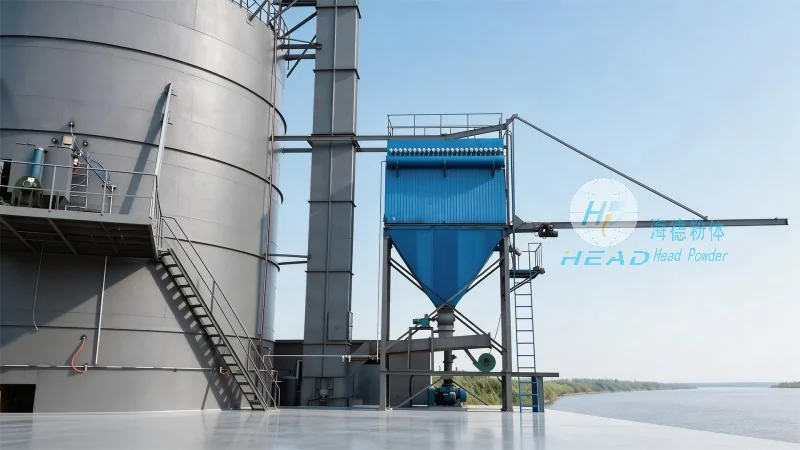
Key Benefits of Using Pneumatic Conveying Systems for PVC Particle Transport
Implementing pneumatic conveying systems for PVC particle transport offers several advantages that contribute to improved operational performance and cost savings. These benefits include:
1. Reduced Labor Costs: By automating the material handling process, pneumatic conveying systems minimize the need for manual labor in transporting PVC granules. This reduces labor costs and improves workplace safety by eliminating the need for workers to handle heavy or potentially hazardous materials.
2. Improved Material Quality: The enclosed nature of pneumatic conveying systems prevents exposure to dust, moisture, and contaminants, which can affect the quality of PVC particles. This ensures that the material remains consistent in quality and properties, meeting the standards required for various applications.
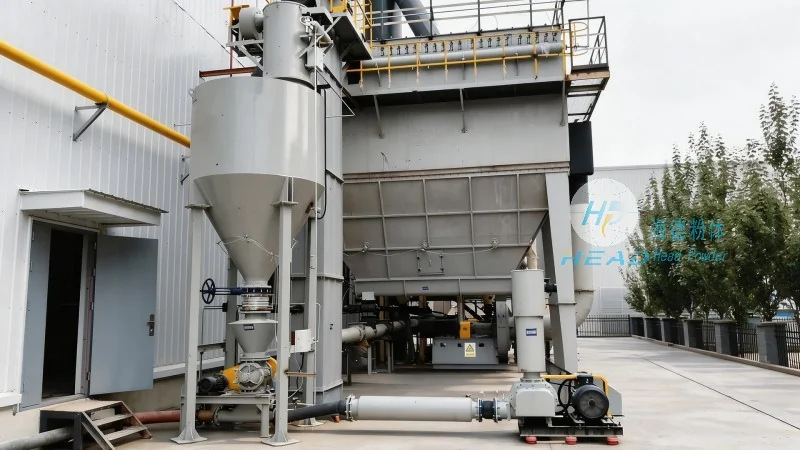
3. Increased Efficiency and Productivity: Pneumatic conveying systems provide a continuous and consistent flow of material, reducing downtime and increasing production throughput. The systems can be integrated with other processing equipment, creating a seamless material handling process that enhances overall operational efficiency.
4. Space Efficiency: Unlike traditional bulk handling methods, pneumatic conveying systems require less floor space as the material is transported through pipelines. This is particularly beneficial in facilities with limited space, allowing for more efficient use of available area.
Customized Solutions by Shandong HeadPowder Engineering Co., Ltd.
Shandong HeadPowder Engineering Co., Ltd. specializes in designing and manufacturing customized pneumatic conveying systems tailored to the specific needs of PVC particle transport. The company’s expertise lies in understanding the unique challenges of handling PVC granules, such as their size, density, and flow characteristics. By working closely with clients, HeadPowder engineers develop solutions that optimize material flow, minimize energy consumption, and ensure long-term reliability.
For instance, the company has successfully implemented pressure pneumatic conveying systems for a PVC manufacturing plant in China, where the system was designed to transport granules over a distance of 200 meters with minimal pressure loss. The system has significantly improved the plant’s production efficiency and reduced material handling costs. Another project involved a vacuum system for a PVC recycling facility, which effectively collected recycled particles from multiple collection points and transported them to a central processing unit, enhancing the recycling process.




