

Types and Practical Applications of Pneumatic Conveying Systems for Sand Particle Transport
Pneumatic conveying systems have become a crucial technology in the efficient and reliable transport of sand particles across various industrial applications. As a leading provider in the field, Shandong HeadPowder Engineering Co., Ltd. specializes in designing and implementing tailored solutions that address the unique challenges associated with sand particle handling. This article explores the different types of pneumatic conveying systems used for sand transport and their practical applications in real-world scenarios.
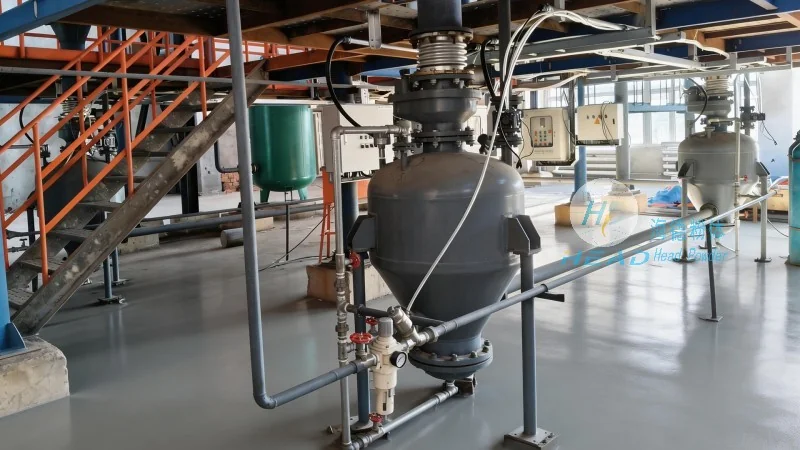
Types of Pneumatic Conveying Systems for Sand Particle Transport
There are primarily two main categories of pneumatic conveying systems: positive pressure and negative pressure systems. Each type offers distinct advantages and is suitable for different operational requirements.
Positive pressure systems, also known as pressure conveying systems, operate by forcing air or gas through the conveying line at a pressure higher than the ambient air pressure. This method is ideal for transporting sand particles over longer distances and through complex layouts, as it can maintain consistent flow rates and minimize particle degradation. The system typically includes a blower or compressor at the inlet, a hopper for material storage, and a discharge point at the destination. Positive pressure systems are commonly used in applications where the material needs to be conveyed to a higher elevation or over significant distances, such as in construction sites or large-scale industrial plants.
Negative pressure systems, or vacuum conveying systems, work by creating a vacuum at the inlet and using a fan or vacuum pump to draw material into the conveying line. This approach is particularly effective for handling fine sand particles and is often preferred when the material is to be transported from a lower elevation or when the system needs to be enclosed to prevent dust emissions. Negative pressure systems are commonly employed in environments where dust control is critical, such as in pharmaceutical or food processing facilities, though they may have limitations in terms of conveying distance and material capacity compared to positive pressure systems.
Practical Applications of Pneumatic Conveying Systems in Sand Handling
The versatility of pneumatic conveying systems makes them applicable across a wide range of industries that utilize sand particles. In the construction industry, for example, these systems are used to transport sand from storage silos to mixing plants or to job sites, ensuring a continuous and dust-free supply of material. The ability to handle large volumes of sand efficiently reduces downtime and improves overall productivity on construction projects.
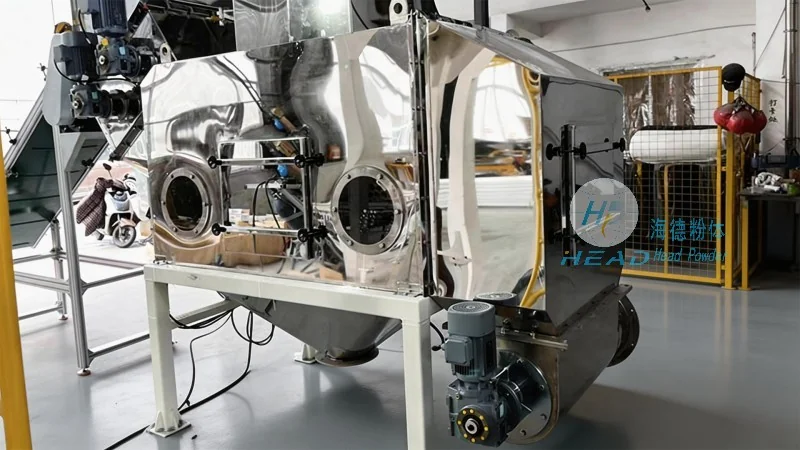
In the manufacturing sector, especially in foundries and casting operations, pneumatic conveying systems are essential for transporting sand molds and raw sand to processing equipment. This technology helps maintain a clean and organized production environment, as it minimizes the risk of dust accumulation and improves worker safety. Additionally, the precise control over material flow allows manufacturers to optimize their production processes, leading to higher quality products and reduced waste.
Another significant application is in the mining and quarrying industries, where pneumatic conveying systems are used to transport sand from extraction sites to processing facilities or storage areas. The systems can handle abrasive and heavy sand particles, ensuring long-term durability and reliability. By integrating these systems into mining operations, companies can enhance their operational efficiency and reduce the environmental impact of sand handling by minimizing the need for manual handling and open-air transport.
Key Considerations for Selecting the Right Pneumatic Conveying System for Sand Transport
When selecting a pneumatic conveying system for sand particle transport, several factors must be considered to ensure optimal performance and cost-effectiveness. The first consideration is the nature of the sand particles, including their size, shape, moisture content, and abrasiveness. These characteristics influence the choice between positive and negative pressure systems, as well as the type of equipment required, such as the blower or vacuum pump capacity and the design of the conveying line.
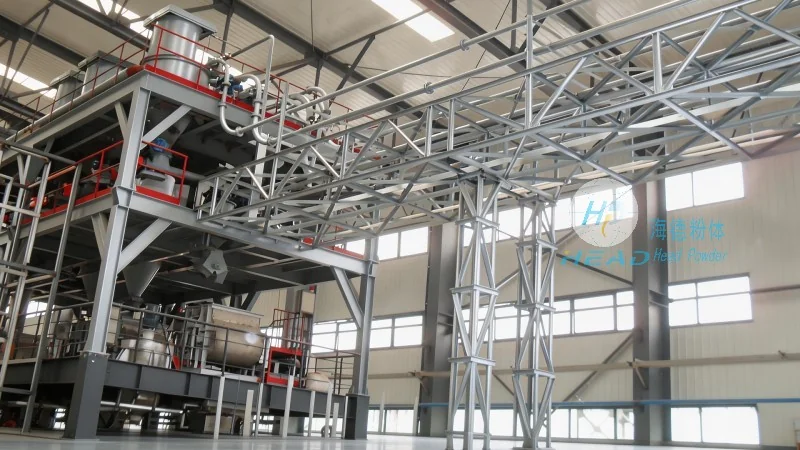
Secondly, the distance and elevation changes between the source and destination are critical factors. Positive pressure systems are generally more suitable for longer distances and higher elevations, while negative pressure systems may be preferred for shorter distances or when the material needs to be transported to a lower level. The layout of the facility, including the number of turns and bends in the conveying line, also impacts the system's design and performance, as these elements can affect the pressure drop and material flow.
Thirdly, the need for dust control and environmental compliance is a major consideration, especially in industries where air quality regulations are stringent. Negative pressure systems are often chosen for their ability to capture and filter dust at the inlet, preventing emissions into the environment. However, positive pressure systems can also be equipped with dust collection and filtration systems to meet environmental standards. The choice of system should also take into account the operational costs, including energy consumption, maintenance requirements, and the lifespan of components.
Conclusion and Company Overview
Pneumatic conveying systems offer a highly effective and efficient solution for the transport of sand particles, providing benefits such as reduced labor costs, improved safety, and enhanced productivity. By understanding the different types of systems and their practical applications, industries can select the most suitable technology to meet their specific needs. Shandong HeadPowder Engineering Co., Ltd., with its expertise in engineering and manufacturing, provides comprehensive solutions tailored to the unique requirements of sand particle transport. The company's commitment to quality and innovation ensures that clients receive reliable and durable systems that contribute to their operational success.
Located in Shandong, China, Shandong HeadPowder Engineering Co., Ltd. serves as a trusted partner for businesses seeking advanced pneumatic conveying solutions. With a focus on customer satisfaction and technical excellence, the company continues to advance the technology and applications of sand particle transport, helping industries achieve greater efficiency and sustainability in their operations.