When it comes to handling and transporting lime powder efficiently, a well-designed pneumatic conveying system is crucial. The process of selecting and configuring the right components for such a system requires careful consideration of various factors, including material properties, operational requirements, and environmental constraints. This article aims to provide a comprehensive guide on how to design a reasonable lime powder pneumatic conveying system plan, ensuring optimal performance and reliability.
Understanding the Core Components of a Pneumatic Conveying System
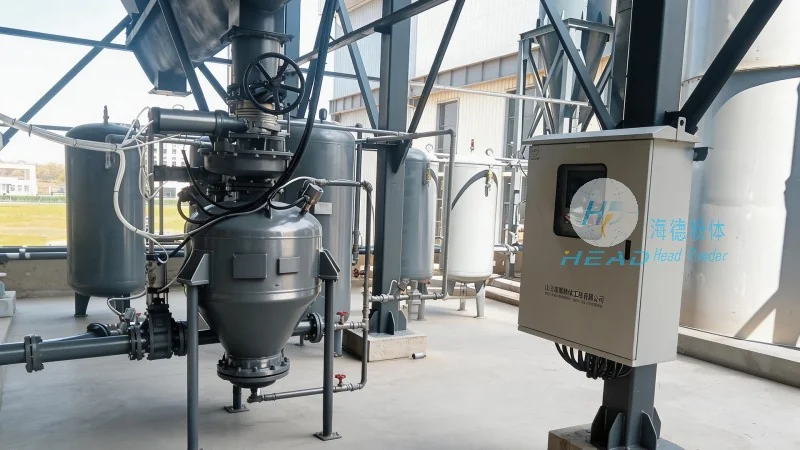
A pneumatic conveying system for lime powder typically consists of several key components that work in tandem to move the material from the source to the destination. The primary components include a material feeder, a conveying line (often with a pipeline), a dust collector or filter system, and a receiver or discharge unit. Each component plays a vital role in the overall efficiency and safety of the system.
The material feeder is responsible for feeding the lime powder into the conveying line at a consistent rate. This component must be able to handle the bulk density and flow characteristics of the powder without causing blockages or uneven feeding. For lime powder, which can be abrasive and have varying particle sizes, a suitable feeder like a rotary valve or a screw feeder is often recommended to ensure smooth material flow.
Design Considerations for Pneumatic Conveying Systems
Designing a pneumatic conveying system for lime powder involves several critical considerations to ensure it meets the operational needs of the application. These considerations include the type of conveying system (e.g., pressure or vacuum), the material's physical properties, the distance and elevation changes between the source and destination, and the required flow rate.
First, the choice between pressure and vacuum systems depends on the distance and the nature of the material. Pressure systems are generally used for short to medium distances and are suitable for materials that are free-flowing and non-abrasive. Vacuum systems, on the other hand, are ideal for longer distances or when the material needs to be transported from multiple sources to a single destination. For lime powder, which can be dusty and have a tendency to settle, a pressure system might be preferred to maintain consistent flow and minimize dust emissions.
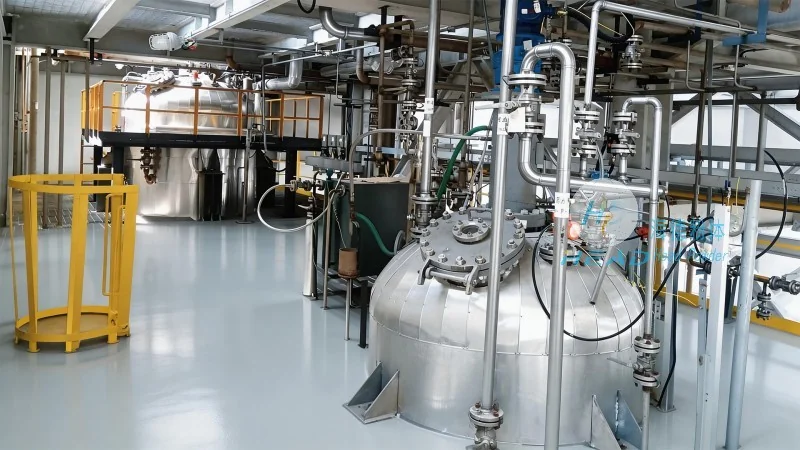
Second, the material's physical properties, such as its bulk density, particle size distribution, and moisture content, significantly impact the system's design. Lime powder often has a relatively low bulk density, which means higher air velocities are required to maintain the material in suspension. The system designer must calculate the necessary air velocity and pressure to ensure the powder remains entrained in the air stream throughout the conveying process.
Key Factors in System Sizing and Layout
Proper sizing of the conveying line and the air compressor is essential for the efficient operation of the pneumatic conveying system. The diameter of the pipeline is determined based on the required flow rate and the air velocity needed to keep the lime powder suspended. A common rule of thumb is to use a pipeline diameter that allows for an air velocity of 20-30 meters per second for fine powders like lime powder. The length and layout of the pipeline, including any bends or vertical lifts, must also be carefully planned to minimize pressure losses and prevent material deposition.
The air compressor is another critical component that must be sized appropriately to provide the necessary pressure and airflow. Over-sizing the compressor can lead to unnecessary energy consumption and increased maintenance costs, while under-sizing can result in insufficient conveying capacity or system instability. The selection of the compressor type, whether it's a positive displacement or a centrifugal unit, depends on the system's operating pressure and flow requirements.
Dust Control and Environmental Considerations
Handling lime powder poses challenges related to dust generation and environmental compliance. A well-designed system incorporates effective dust control measures, such as a dust collector or a filter system, to capture any airborne particles and prevent them from being released into the environment. The dust collector must be capable of handling the specific characteristics of lime powder, including its abrasive nature and potential for caking. Regular maintenance of the dust collection equipment is essential to ensure optimal performance and prevent system downtime.
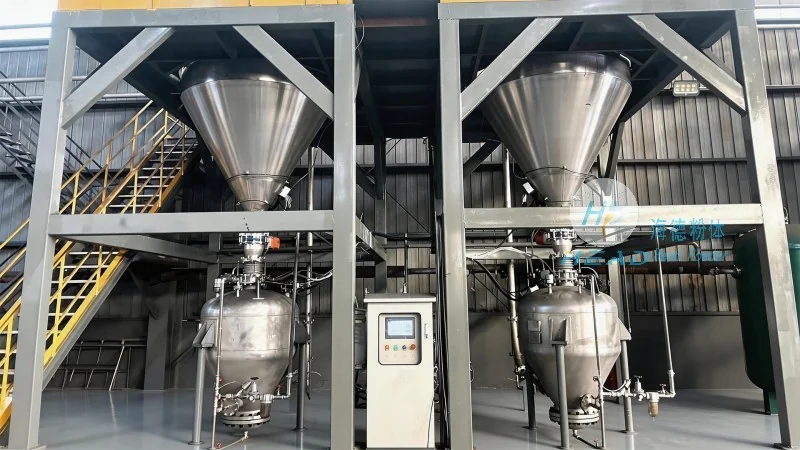
Additionally, the system layout should consider the placement of the dust collector and the discharge point to minimize the risk of dust accumulation and ensure safe operation. Proper sealing of all connections and components is also crucial to prevent leaks and maintain the integrity of the conveying process.
Integration with Existing Facilities and Future Expansion
When designing a pneumatic conveying system for lime powder, it's important to consider the integration with existing facilities and the potential for future expansion. The system should be designed to accommodate any changes in production volume or material specifications without requiring major modifications. This involves selecting components with sufficient capacity and flexibility, such as adjustable feeders and variable speed drives, which allow for easy scaling of the system as needed.
Furthermore, the system should be compatible with the existing infrastructure, including the location of the material source and the destination. Proper planning of the pipeline route and the placement of equipment can help minimize construction costs and ensure smooth integration with the existing plant layout.
Conclusion
Designing a reasonable lime powder pneumatic conveying system plan requires a comprehensive understanding of the material properties, operational requirements, and environmental considerations. By carefully selecting and configuring the key components, such as the material feeder, conveying line, and air compressor, and considering factors like system sizing, dust control, and integration with existing facilities, one can achieve an efficient and reliable system. The expertise of companies like Shandong HeadPowder Engineering Co., Ltd., with their focus on pneumatic conveying solutions, can be invaluable in ensuring that the system meets the specific needs of the application and operates at peak performance.




