

[EHnhaansig Sodiuam Sulphate Conveying Efficiency: A Clean Solution with Pneumatic Conveying Technol
For industries dealing with sodium sulphate, optimizing material handling processes is crucial for maintaining operational efficiency and ensuring product quality. Traditional methods of transporting this chemical often face challenges such as dust contamination, equipment wear, and limited flexibility. In response to these needs, pneumatic conveying technology has emerged as a highly effective and clean solution. This article explores the benefits and applications of pneumatic conveying systems specifically designed for sodium sulphate, highlighting how they enhance conveying efficiency while maintaining a clean and safe working environment.
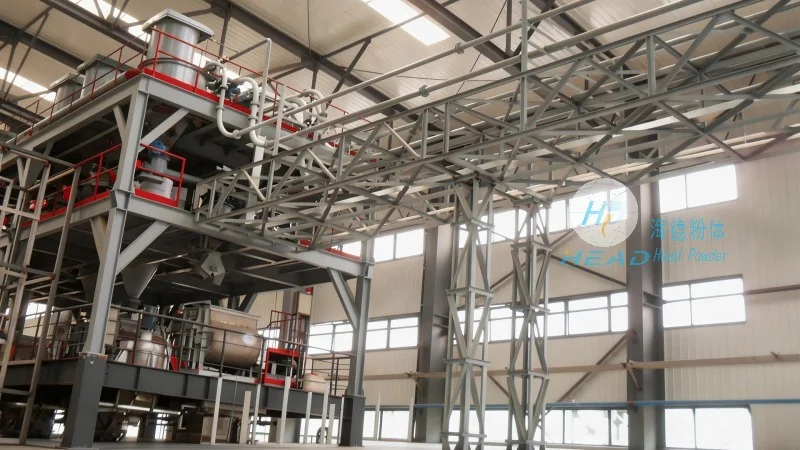
Introduction to Pneumatic Conveying Systems for Sodium Sulphate
Pneumatic conveying, also known as air conveying, is a method of transporting bulk materials like sodium sulphate using a stream of air. Unlike traditional mechanical systems that rely on belts, buckets, or screw conveyors, pneumatic systems utilize pressure or vacuum to move materials through pipes. This approach offers several advantages, including reduced equipment wear, minimal product contamination, and the ability to handle materials in a closed system, which is particularly important for sodium sulphate due to its hygroscopic nature and potential for dust generation.
Key Benefits of Pneumatic Conveying for Sodium Sulphate
One of the primary benefits of pneumatic conveying systems for sodium sulphate is enhanced efficiency in material transport. By eliminating the need for manual handling or complex mechanical components, these systems can significantly reduce downtime and increase throughput. The technology allows for continuous, automated operation, which is ideal for large-scale production facilities. Additionally, the closed system design minimizes dust exposure, protecting both the product and the working environment from contamination. This is especially critical in industries where product purity is paramount, as even minor dust particles can affect the quality of sodium sulphate used in various applications, including glass manufacturing, paper production, and chemical synthesis.
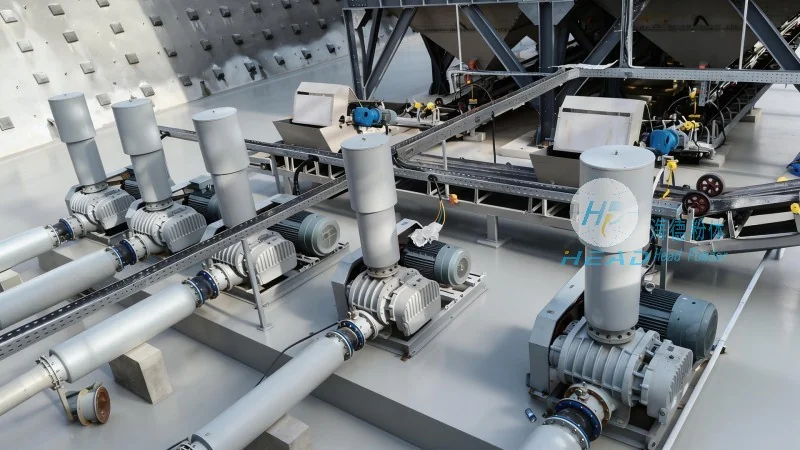
How Pneumatic Conveying Improves Cleanliness and Safety
The clean design of pneumatic conveying systems is a significant advantage for sodium sulphate handling. Unlike open or semi-open systems that can lead to dust accumulation and cross-contamination, pneumatic systems keep the material enclosed within the pipeline. This not only prevents dust from entering the workplace but also reduces the risk of product degradation due to exposure to moisture or air. Furthermore, the absence of moving parts in the conveying line minimizes the potential for mechanical failure and associated maintenance issues. For facilities located in regions like Shandong, China, where environmental regulations are increasingly stringent, the clean operation of pneumatic systems aligns with modern industrial standards, making them a preferred choice for sustainable material handling.
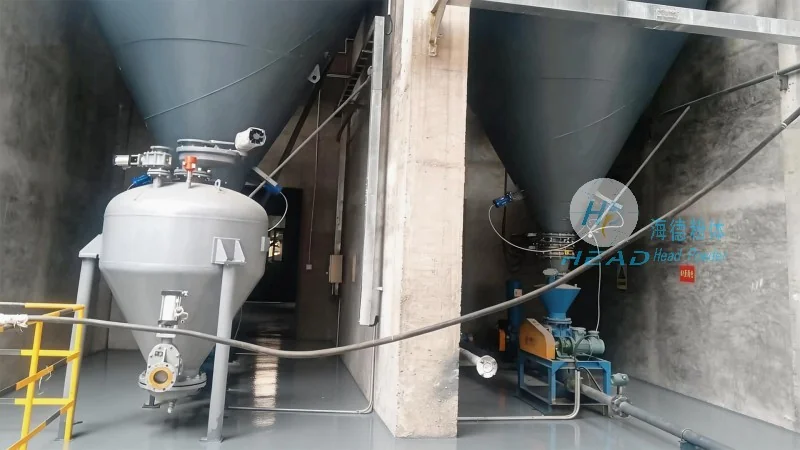
Applications and Customization in Sodium Sulphate Conveying
Pneumatic conveying systems can be tailored to meet the specific requirements of sodium sulphate handling processes. Whether for short-distance or long-distance transport, these systems can be designed to handle varying material flow rates and particle sizes. For example, pressure pneumatic systems are suitable for high-volume applications where a consistent flow of sodium sulphate is needed, while vacuum systems are ideal for more flexible, intermittent conveying tasks. The flexibility of pneumatic conveying also allows for integration with other processing equipment, such as storage silos, mixers, and packaging machines, creating a seamless material handling workflow. This integration is particularly beneficial for companies like Shandong HeadPowder Engineering Co., Ltd., which specializes in engineering solutions for bulk material transport, ensuring that their clients receive customized systems that optimize their sodium sulphate handling operations.
Conclusion: Choosing the Right Conveying Solution for Sodium Sulphate
In conclusion, pneumatic conveying technology offers a clean and efficient solution for enhancing sodium sulphate conveying efficiency. By leveraging the power of air to transport materials, these systems provide significant advantages over traditional methods, including improved product quality, reduced operational costs, and enhanced workplace safety. For companies operating in the sodium sulphate industry, investing in a well-designed pneumatic conveying system is a strategic decision that can lead to long-term operational benefits. As a leading provider of engineering solutions in Shandong, China, Shandong HeadPowder Engineering Co., Ltd. is well-positioned to offer tailored pneumatic conveying systems that meet the unique needs of their clients, ensuring that sodium sulphate is handled with the highest standards of efficiency and cleanliness.