

Working Principle and Features of Fertilizer Material Pneumatic Conveying Equipment
Shandong HeadPowder Engineering Co., Ltd., a leading manufacturer based in China, specializes in the design and production of advanced pneumatic conveying systems tailored for the fertilizer industry. This equipment is essential for efficiently transporting bulk fertilizer materials, ensuring smooth operations in fertilizer production and handling processes. The following sections will delve into the working principle and key features of such systems, providing a comprehensive understanding of their functionality and benefits.
The Working Principle of Pneumatic Conveying Systems for Fertilizer Materials
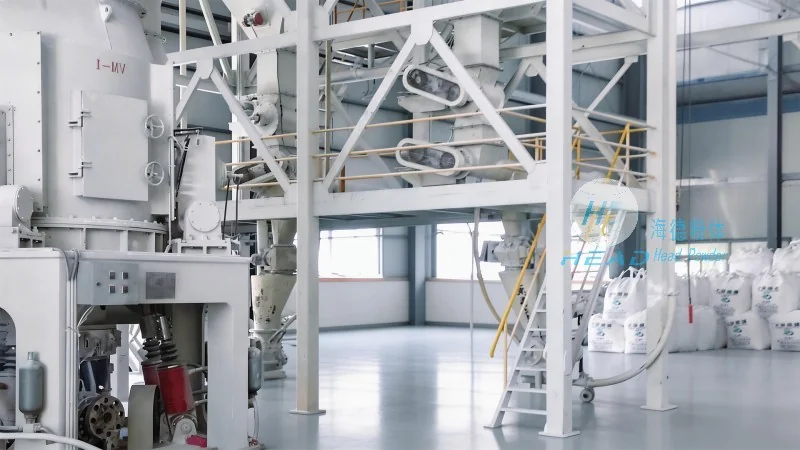
At the core of fertilizer material pneumatic conveying equipment is the use of air as the primary medium to transport bulk materials. The system operates by creating a pressure differential between the inlet and outlet of the conveying line. Typically, there are two main types of pneumatic conveying systems: pressure and vacuum. In pressure systems, a positive pressure is generated at the material feed point, pushing the material through the pipeline using compressed air. Conversely, vacuum systems create a negative pressure at the discharge end, drawing the material from the source to the destination. The process involves several key components, including a material feeder, a conveying pipeline, a control valve, and a dust separator. The material feeder ensures a consistent flow of fertilizer into the system, while the pipeline transports the material. The control valve regulates the air flow and material movement, and the dust separator cleans the air before it is released, preventing contamination and ensuring environmental compliance.
Key Features of Fertilizer Material Pneumatic Conveying Equipment
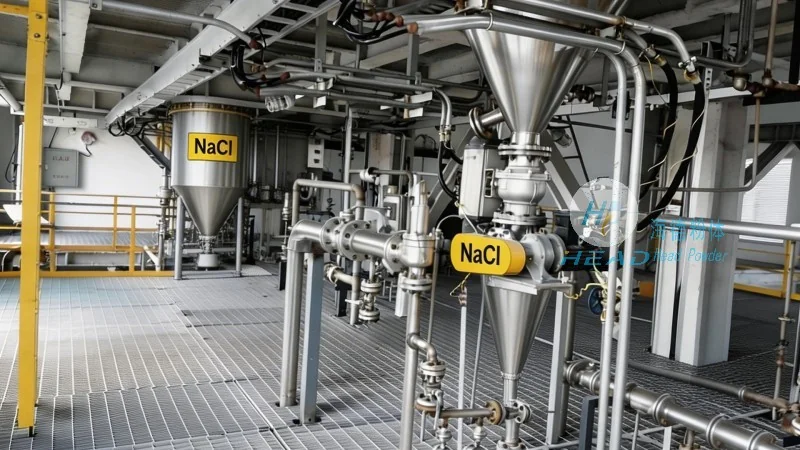
Shandong HeadPowder Engineering Co., Ltd. offers pneumatic conveying systems with several notable features that enhance their performance and reliability. One of the primary advantages is the ability to handle a wide range of fertilizer materials, from granular to powdery substances, without causing segregation or degradation. The equipment is designed to maintain the integrity of the fertilizer, preventing clumping or caking that could occur with traditional mechanical conveyors. Another key feature is the system's flexibility in terms of layout and installation. Pneumatic conveying systems can be configured to fit various plant layouts, allowing for horizontal, vertical, or mixed-direction transport. This adaptability makes them suitable for both new installations and retrofitting existing fertilizer production lines. Additionally, the equipment is equipped with advanced control systems that provide real-time monitoring and adjustment of air pressure, material flow, and system performance. This ensures optimal operation and minimizes downtime, contributing to increased productivity and cost efficiency. The use of high-quality materials in the construction of the conveying pipeline and components also ensures durability and resistance to corrosion, which is crucial for handling fertilizer materials that may be abrasive or corrosive.
Benefits and Applications in the Fertilizer Industry
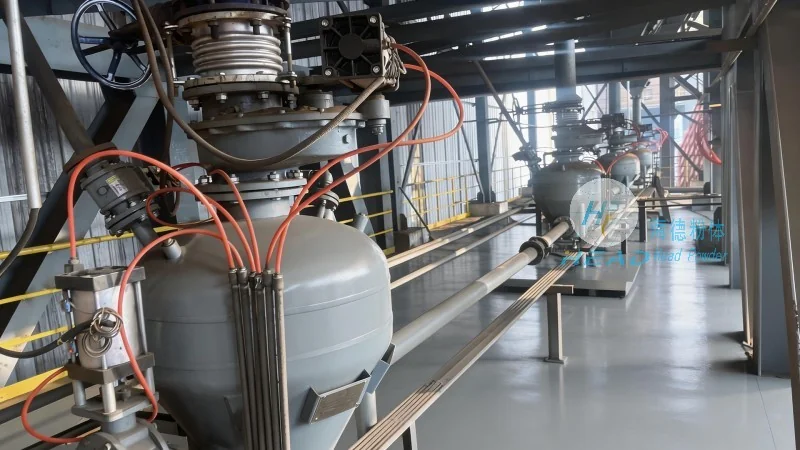
The implementation of pneumatic conveying equipment in fertilizer production facilities brings numerous benefits. Firstly, it significantly improves the efficiency of material handling, reducing the time and labor required for transporting bulk fertilizer. This leads to increased production throughput and lower operational costs. Secondly, the system minimizes material loss and contamination, as the enclosed pipeline prevents dust and material spillage, maintaining product quality and environmental standards. Thirdly, the equipment enhances workplace safety by eliminating the need for manual handling of heavy or dusty materials, reducing the risk of accidents and improving overall safety protocols. In terms of applications, these systems are widely used in fertilizer manufacturing plants for transporting raw materials, intermediate products, and finished fertilizers. They are also utilized in storage facilities for moving fertilizer from silos to processing units or for distribution to packaging lines. The versatility of pneumatic conveying systems makes them a preferred choice for modern fertilizer production, supporting the industry's demand for efficient, reliable, and environmentally friendly material handling solutions.