

Operation Process and Working Principle of Wool Powder Pneumatic Conveying Equipment
Wool powder, as a fine material with unique properties, requires specialized handling equipment to ensure efficient and safe transportation. The pneumatic conveying system designed for wool powder is a critical component in many industrial processes, enabling the movement of this material from one location to another without the need for mechanical components like belts or buckets. This equipment is essential for maintaining the quality and integrity of wool powder, which is often used in various applications such as textile manufacturing, chemical processing, and food production. Understanding the operation process and working principle of this equipment is vital for optimizing its performance and ensuring reliable operation in industrial settings.
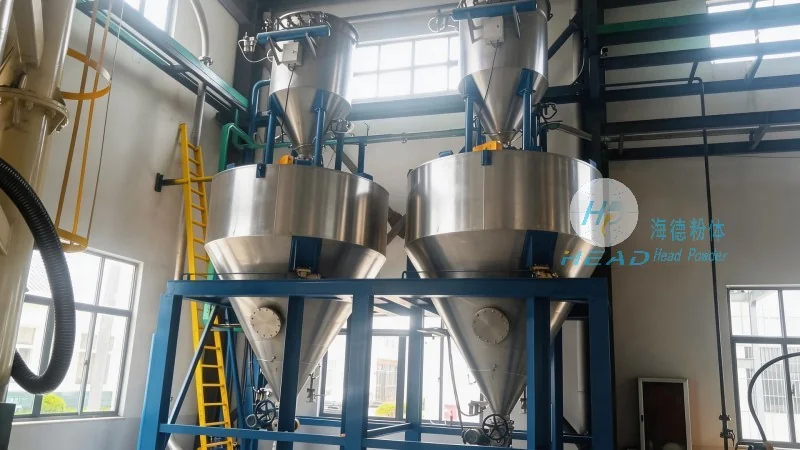
About HeadPowder: Your Trusted Partner in Pneumatic Conveying Solutions
HeadPowder, operating as Shandong HeadPowder Engineering Co., Ltd., is a leading manufacturer and supplier of advanced pneumatic conveying equipment. With a strong presence in China, particularly in Shandong, the company specializes in developing customized solutions tailored to the specific needs of clients handling fine materials like wool powder. Our team of experienced engineers and technicians works closely with clients to design and implement efficient conveying systems that meet the highest standards of performance, reliability, and safety. The company’s commitment to quality and innovation has made it a trusted name in the industry, providing customers with durable and effective equipment that enhances productivity and reduces operational costs.
The Operation Process of Wool Powder Pneumatic Conveying Equipment
The operation process of a wool powder pneumatic conveying system involves several key steps that ensure the smooth and continuous movement of the material. The process typically begins with the loading of wool powder into the hopper or feed hopper of the system. From there, the material is drawn into the conveying line by a vacuum or pressure source, depending on the type of system being used. The system may use either a positive pressure or negative pressure method to transport the powder. In positive pressure systems, compressed air is used to push the material through the pipeline, while negative pressure systems use a vacuum to pull the material. The choice of system depends on factors such as the distance to be covered, the volume of material to be conveyed, and the characteristics of the wool powder itself.
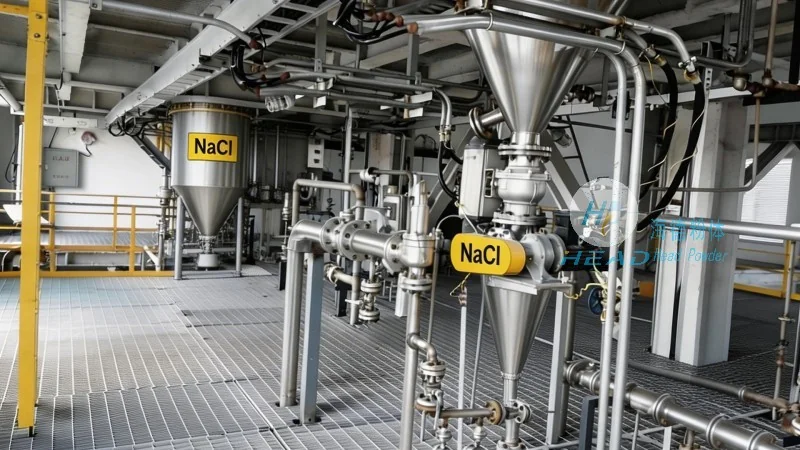
Once the material is in the pipeline, it is transported to the discharge point, where it is collected in a receiving hopper or container. The system may include additional components such as filters, cyclones, or separators to ensure that the wool powder is conveyed without contamination or loss. These components help to maintain the purity of the material and prevent blockages or clogs in the pipeline. The operation process is designed to be continuous and automated, minimizing the need for manual intervention and ensuring consistent performance over time.
The Working Principle of Wool Powder Pneumatic Conveying Equipment
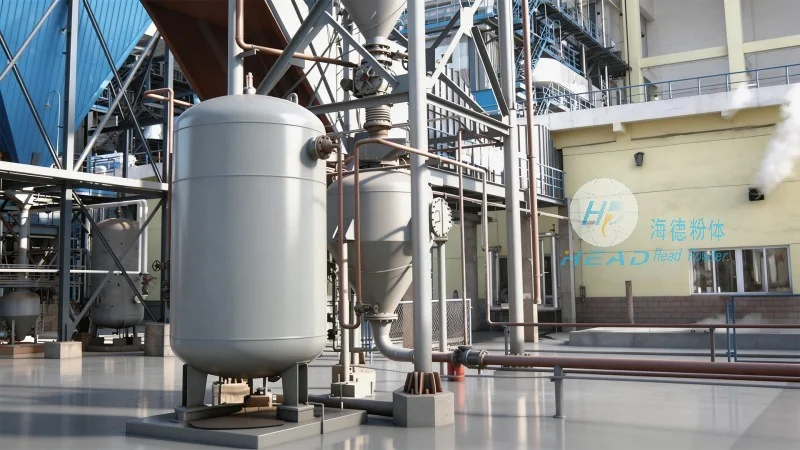
The working principle of a wool powder pneumatic conveying system is based on the principles of fluid dynamics and particle transport. The system uses air as the conveying medium, which is introduced into the pipeline at a controlled pressure or vacuum level. The air flow creates a drag force on the wool powder particles, allowing them to be suspended and transported through the pipeline. The velocity of the air and the size of the particles determine the efficiency of the conveying process. For wool powder, which is typically fine and lightweight, the system must be designed to handle these characteristics effectively, ensuring that the particles are not damaged or agglomerated during transport.
The system may use various types of nozzles, valves, and fittings to control the flow of air and material. These components are critical to maintaining the stability of the conveying process and preventing issues such as surging or pulsation. The design of the pipeline and the layout of the system are also important factors that affect the performance of the equipment. Properly sized and positioned components ensure that the material is conveyed at the desired rate and without excessive pressure drops or energy consumption.